Lip care is a small-format category, but its packaging is judged with unusual speed. Consumers notice hygiene, comfort, portability, and visual quality almost at once. That makes lipcare packaging bottles more than a storage format. They shape product identity, affect repeat use, and influence whether a lip product feels precise and premium or generic and forgettable. In 2026, the strongest packaging choice is usually the one that combines controlled application, compact sizing, clean sealing, and brand-ready customization rather than surface decoration alone.
That is where Hongyi Plastic fits the discussion naturally. Founded in 2009, the company works in cosmetic tube packaging with R&D, design, production, and supply chain coordination at the core. For beauty brands, that matters because lip care packaging often succeeds when applicator structure, tube appearance, and manufacturing practicality are handled as one system rather than as separate decisions.
Why lipcare packaging matters more for beauty brands
A lip care product may carry a smaller fill volume than a cleanser or lotion, but the packaging challenge is often sharper. The product comes into direct contact with the lips, is used in short repeated moments, and is often stored in bags, pockets, or travel kits. A package that feels messy, difficult to control, or visually weak can undermine the product very quickly. That is why a useful lip care packaging guide starts with function before decoration.
For modern beauty brands, lipcare packaging bottles also need to support clearer differentiation. The market is crowded with glosses, oils, treatments, tinted balms, and hybrid products that overlap in formula and finish. Packaging becomes part of the product logic itself. Applicator shape, outlet control, transparency, and print quality all help communicate whether a formula is positioned as practical, premium, playful, or treatment-led.
What makes the best lipcare packaging bottles
The best lipcare packaging bottles guide is not built around trends alone. It is built around a few repeat concerns that buyers return to in almost every project: application quality, size suitability, structural reliability, visual identity, and customization depth.
Applicator design should improve daily use
In lip care, the applicator is not a minor accessory. It is part of product performance. A good format helps the user apply product evenly, manage dosage with less waste, and keep the experience cleaner during repeated use. When the applicator design works well, the package feels more considered and the formula often appears more premium as a result.
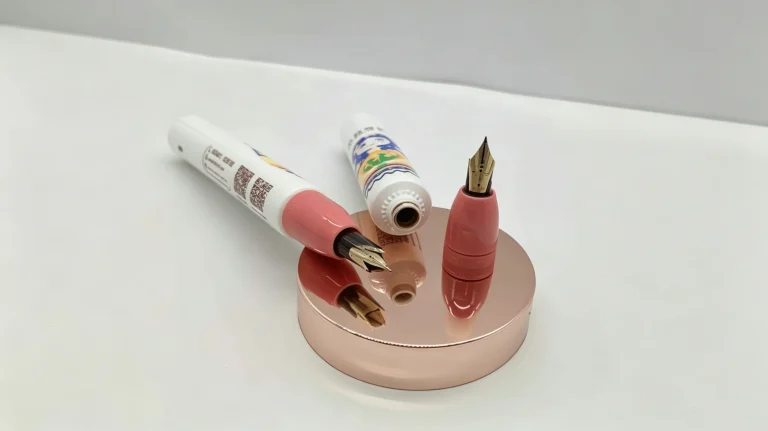
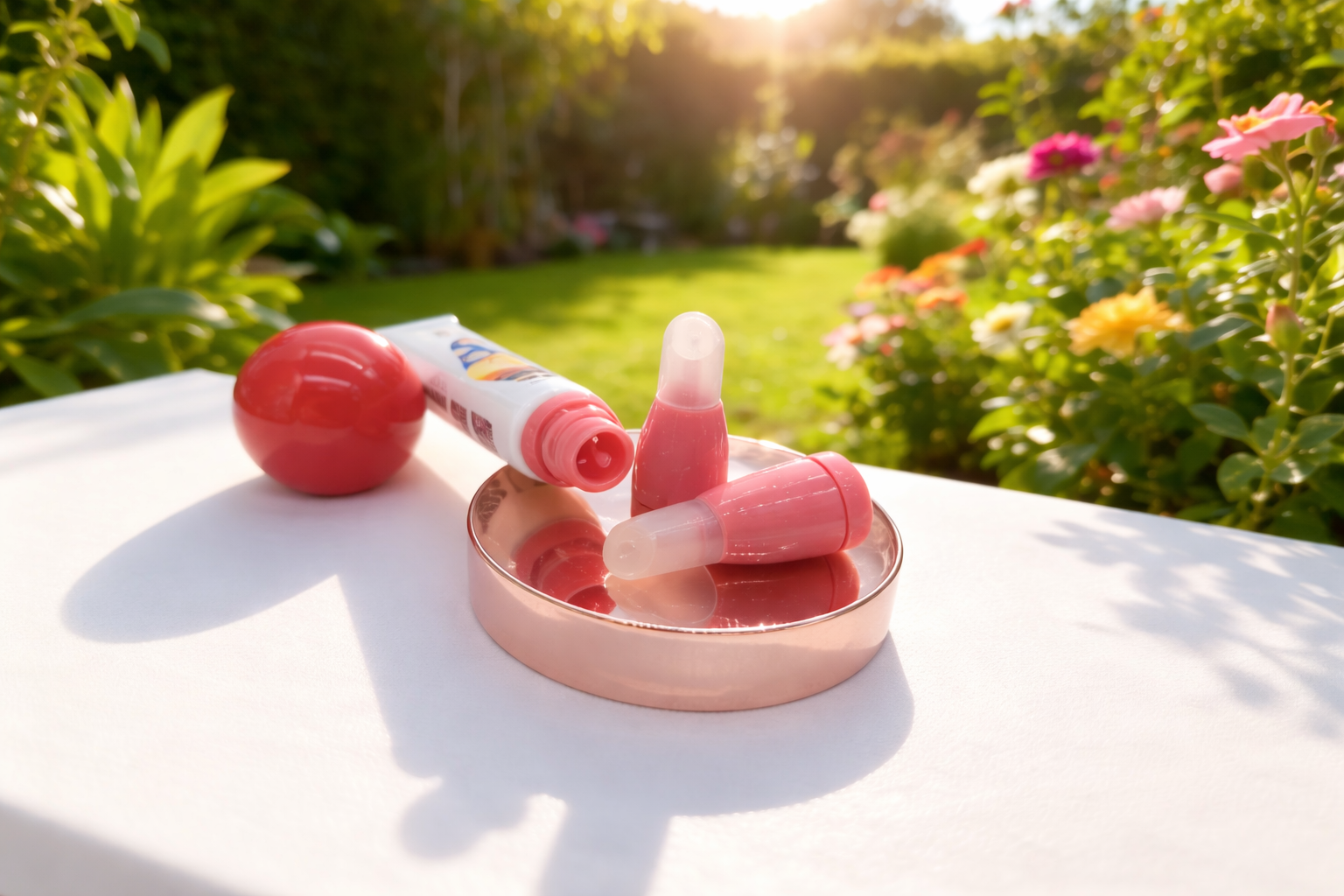
This is why the Φ19 replaceable transparent long slanted plug with comb attachment and lip tube head stands out as a relevant format for lip gloss, lip oil, and treatment-style lip products. Its structure combines a replaceable transparent long slanted plug, a comb attachment, and a coordinated outer cover, creating a packaging format that is more functional than a simple standard tube head. The slanted shape helps guide application, while the comb element supports a smoother and more even spread.
Capacity should fit real lip care product formats
Lip care packaging works best when the volume matches realistic use patterns. This format uses a 19mm tube diameter with a 10ml to 15ml capacity range, which sits in a commercially practical middle ground. It is compact enough for portability and daily carry, but still gives enough internal volume for gloss, oil, balm, and treatment applications that need repeated use over time.
That size also helps beauty brands control product positioning. Very small packs may feel too limited for regular use, while larger packs can reduce convenience in a category where portability is one of the strongest selling points. A 10ml to 15ml range gives room for a premium appearance without losing the compact logic expected in lip care packaging bottles.
Material and structure should support stability
The best lipcare packaging bottles manufacturer will usually pay close attention to materials and component fit, because this category leaves less room for structural weakness. This format combines PE and PP, a practical pairing for tube flexibility, closure stability, and production consistency in a small-diameter pack. It also uses a 5mm opening and a 97mm tube length, which helps balance dispensing control with a slim profile.
Small packs do not tolerate poor fit well. If the head structure is loose, sealing feels uncertain. If the outlet is not controlled, the product can appear wasteful or untidy. A cleaner structural match helps avoid those problems and supports a better user impression from the first application onward.
Visual identity should help brands stand out
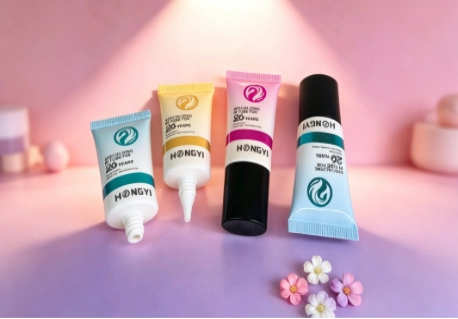
Lip care is a highly visual category, but visual impact does not need to come from excess. This format uses a transparent tube body or bright tube body paired with multi-colored offset printing, which creates more room for brand expression without making the pack feel overcrowded. Transparent elements can add a lighter and more modern look, while offset printing helps carry richer pattern detail and more layered graphics.
The wider customization system also supports screen printing, gravure or offset printing, matte varnish, embossing or debossing, UV varnish, and different closure forms. That allows a beauty brand to build a more distinctive lip care line while still working from a production-ready packaging base. For packaging buyers, that is often a more useful route than chasing novelty with a format that is harder to scale.
Customization should support growth, not only one launch
A good lipcare packaging bottles guide should always look beyond the first SKU. Beauty brands rarely stop at one lip product. They move into shades, finishes, treatment variants, and seasonal launches. Packaging works better when it can adapt across that expansion without forcing a full reset each time.
We work with concept design, mold development, mass production quality inspection, warehousing and logistics, and after-sales tracking, while supporting cosmetic tube formats across a 3ml to 350ml capacity range. That kind of system helps brands keep more control when they want to extend a lip care concept into a broader line rather than rebuild the packaging path from the beginning.
Why this 19mm replaceable applicator tube fits modern lip care products
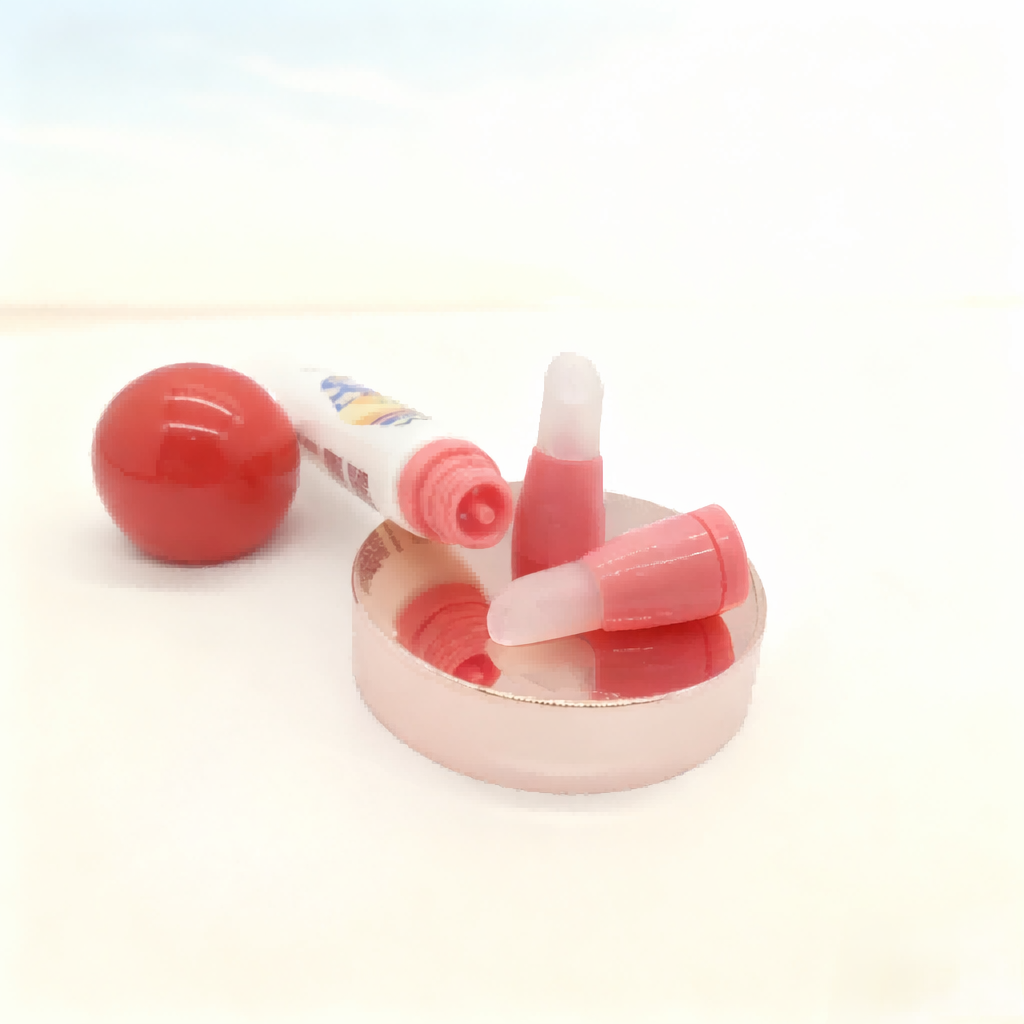
The commercial strength of this format comes from how several practical features work together. The 19mm diameter keeps the package compact and precise in the hand. The replaceable applicator adds a point of differentiation that is easy for both buyers and end users to grasp. The transparent long slanted plug and comb attachment move the pack away from a generic squeeze format and toward a more application-led packaging experience.
That combination is especially useful in lip care because hygiene and precision matter more than they do in many larger skincare formats. A replaceable head adds more flexibility for cleaning, replacement, and product positioning. For brands that want a stronger story around thoughtful design, cleaner use, or a more elevated lip treatment experience, that feature gives the packaging a clearer role in the product narrative.
The format also supports stronger shelf expression. Transparent details, coordinated cap structure, and multi-color offset printing give enough visual range for premium, playful, or art-led design directions. At the same time, the pack remains commercially practical with a 10-day pre-production sample time, a 20 working day lead time, in-stock sample availability, and a 10,000-piece minimum order.
Which lip care product types fit this packaging best
This type of applicator tube is well suited to lip gloss and lip glaze because those products benefit from a smoother, more directed application path. Gloss textures are judged heavily by how evenly they spread and how controlled the dose feels. A more considered applicator can improve the perceived quality of the whole product.
Lip oil is another strong fit. Oils need cleaner dosage control and a package that avoids a messy finish around the head. A compact tube with a directed applicator can help keep the product portable while supporting a more precise application cycle.
Tinted balm and treatment-led lip products also fit well here, particularly when the brand wants portability, a more hygienic feel, and stronger differentiation in a crowded market. The same structure can also extend into adjacent liquid beauty concepts such as targeted blush or other small-format cosmetic applications, although the core strength remains in lip-focused use.
What beauty brands should look for in a lipcare packaging bottles manufacturer
A supplier choice matters just as much as a packaging choice. The best lipcare packaging bottles manufacturer should be able to support development, customization, production, and follow-up without making the brand manage every step alone.
Product development capability
A useful partner should be able to support more than order fulfillment. Development work matters in lip care because applicator shape, closure fit, and decoration quality all influence the final product experience. A system that includes R&D, design, sampling, and mold development reduces delays and makes packaging decisions more coherent from the start.
Customization range
Customization depth is another key filter. In this category, brands often need flexibility around printing, finish, component coordination, and closure form. Support for screen printing, gravure or offset printing, matte varnish, embossing or debossing, UV varnish, and custom closures gives more room to build a differentiated lip care line while keeping production practical.
Production efficiency and consistency
Launch timing still matters. This lip care format works within a production structure that includes a 10-day pre-production sample time and a 20 working day lead time for the product, while the company’s broader manufacturing base includes automated production, 35 machines and equipment, and annual production capacity of 50 million. For a beauty brand with ongoing replenishment needs, reliable execution often matters more than decorative complexity.
Why customization matters more than many brands expect
In lip care, customization is not only a design exercise. It affects how the product is used, how it is perceived, and how easily it can be extended into future launches. A better cap match can improve visual balance. A more suitable finish can shift the product from mass-market to premium. A stronger print method can make the pack look sharper in both retail display and digital content.
That is why custom lipcare packaging bottles often perform better than generic stock options when the brand wants clearer differentiation. The package becomes part of the formula story rather than a separate shell around it. In a category shaped by detail, that distinction can be commercially significant.
Why service matters as much as packaging design
The best packaging project is usually the one that moves cleanly from concept to sample to production. Beauty brands need help with applicator selection, print coordination, timing, mold work, and post-production follow-up. When service is weak, even a strong lip care format can become harder to launch than it should be.
A better packaging process connects design consultation, sample coordination, production follow-up, logistics, and after-sales support into one workable path. That reduces internal friction for the buyer and makes the packaging decision easier to scale over time. For brands evaluating lipcare packaging bottles in 2026, service quality is not secondary. It is part of the packaging value itself.
Conclusion
The best lipcare packaging bottles for beauty brands in 2026 are the formats that combine precise application, compact portability, clean structure, visual flexibility, and scalable customization. In practice, that often means choosing an applicator-led tube instead of a generic container with less control and less differentiation.
For lip gloss, lip oil, tinted balm, and treatment-style products, a small-diameter tube with a replaceable applicator can offer a strong balance of user experience and commercial practicality. It helps the product feel more deliberate in the hand, easier to use, and easier to position in a crowded market. If that is the direction a brand is considering, the next step is to contact us and evaluate applicator structure, customization depth, and production fit together.
FAQ
Q:What types of lip products fit this packaging format best?
A:This format is well suited to lip gloss, lip glaze, lip oil, tinted balm, and treatment-style lip products that benefit from controlled application and compact portable packaging.
Q:Which customization options matter most for lip care packaging?
A:Printing method, surface finish, closure style, applicator structure, and cap coordination usually have the strongest impact because they affect both visual identity and product experience.
Q:What should beauty brands ask a lip care packaging supplier before ordering?
A:The key questions usually involve applicator structure, material match, capacity, print process, sample timing, lead time, minimum order quantity, and follow-up service after production.