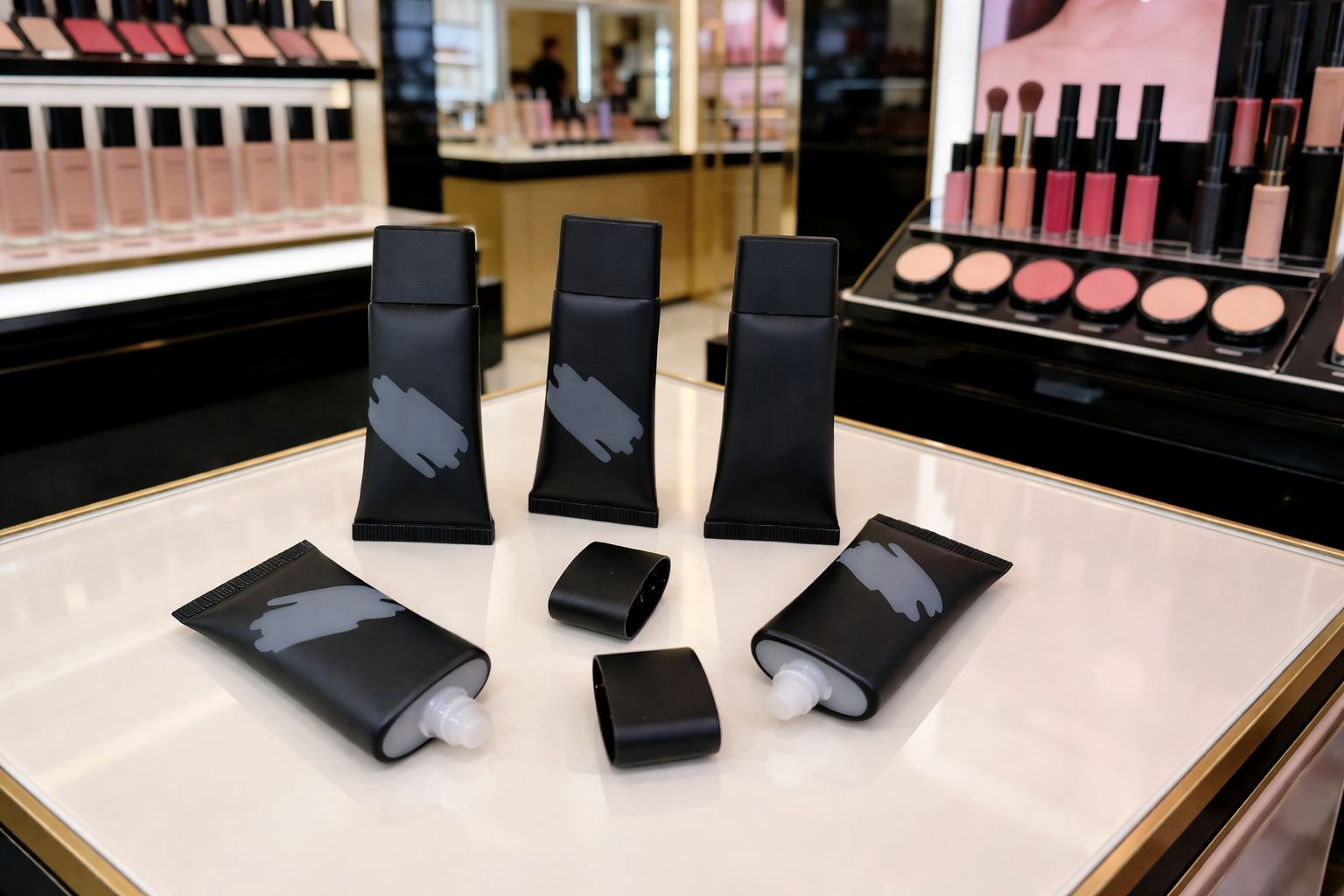
Treatment creams and gels rarely fail because of the formula alone. In many launches, the real weakness appears in the pack. A tube that dispenses too much product, hides the texture completely, looks generic on the shelf, or feels awkward in a pocket can weaken a product that was meant to look precise and high value. That is why the best 30-gram tube is not simply a small tube. It is a packaging format that protects product identity, supports controlled use, and helps a treatment cream or gel look credible at first glance.
At Hongyi Plastic, we approach that question from the packaging side rather than from pure styling. Founded in 2009, we work in cosmetic tube packaging with design, development, production, and supply chain coordination built into one workflow. That matters for treatment cream packaging because products in this category usually need more than a standard stock tube. They need the right balance of portability, visual impact, controlled dispensing, and production practicality. The company background, one-stop OEM and ODM model, and broad customization support all point in that direction.
Why do treatment creams and gels need more specialized tube packaging
Treatment products are judged differently from standard daily care items. A regular hand cream can tolerate a plain package more easily. A repair cream, active gel, or targeted topical product cannot. Buyers and end users expect a stronger sense of precision. They look for clean dosing, stable sealing, visual clarity, and a package that signals function rather than novelty.
This is one reason treatment cream packaging has moved closer to a professional design language. Dark finishes, controlled openings, compact formats, and more deliberate information layout now carry more value than decorative bulk. In categories such as post-treatment repair care, acid-based skincare, concentrated gels, or deep cleansing creams, packaging helps build trust before the product is even opened.
Portability also matters more than many teams expect. A treatment product is often used at specific moments rather than in a full bathroom routine. It may travel in a work bag, a carry-on kit, a gym pouch, or a professional tool case. A large or bulky format can feel inconvenient. A compact gel packaging tube solves that problem more effectively, especially when the shape remains slim without looking weak.
What makes the best 30 grams tube for treatment cream and gel packaging
The strongest 30 grams tube guide starts with a few practical tests. If a tube performs well in these areas, it is much more likely to work for real treatment products rather than only for presentation mockups.
Product visibility should support product trust
Many treatment formulas benefit from some degree of visibility. This is especially true when texture, layering, suspended particles, or deep color are part of the product story. A standard opaque tube hides all of that. In some categories, that is fine. In others, it removes a useful trust signal.
A transparent display area can solve that problem without exposing the whole pack. It lets the product show itself in a controlled way. For active gels, dark creams, charcoal-based cleansers, or texture-rich formulas, a visible window gives the buyer a quick visual cue that feels more direct and more serious. That approach fits the broader move toward premium yet practical packaging in treatment-led skincare.
Dispensing should stay controlled and clean
Treatment products are not meant to come out in large, uncontrolled amounts. A repair gel, a concentrated cream, or a topical formula needs cleaner dosing. Excess output creates waste and can make a product feel less refined. A tighter opening, paired with a tube body that supports steady pressure, improves that experience immediately.
This is where a smaller orifice becomes useful. It helps a treatment cream or gel leave the pack in a more measured way. The result is a cleaner user routine and a stronger perception of accuracy. For buyers, that is not a minor design detail. It is part of how the package proves it was designed around the product rather than around appearance alone.
Structure should match premium and portable use
A treatment cream or gel often benefits from a flatter, slimmer silhouette than a standard, rounded retail tube. A more compact structure improves portability and can also strengthen shelf character. It feels intentional. That matters in premium and professional segments where visual control is part of the value proposition.
An ultra-thin profile also supports a clearer design language. It creates a more distinctive front view, makes the package easier to carry, and helps the brand move away from a generic commodity look. In categories where many products share similar claims, form becomes part of differentiation.
Material should support repeated use and finish quality
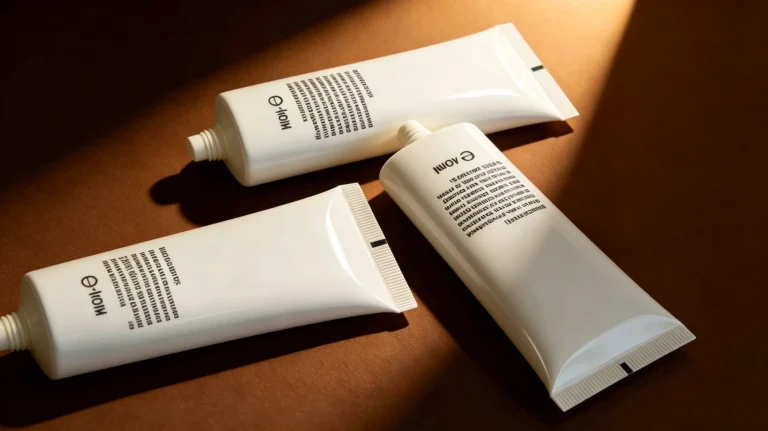
PE remains a practical material for this kind of project because it combines flexibility with production efficiency. A good PE tube can handle repeated squeezing, maintain surface finish, and support a wide range of print and coating treatments. For treatment cream packaging, that balance matters. The tube must feel reliable in the hand and visually sharp on the shelf.
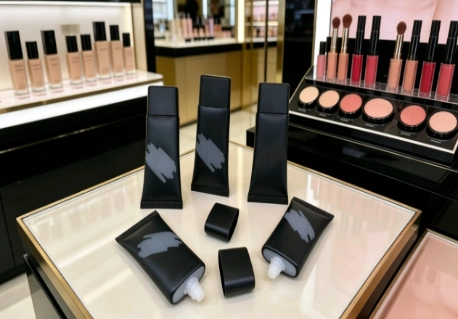
A black matte exterior can take that one step further. It creates a stronger sense of control, professionalism, and premium positioning. When paired with a transparent window, the contrast becomes even more effective. The pack feels dramatic, but not theatrical in an empty way. It still serves a practical purpose.
Why this tube format fits treatment creams and gels especially well
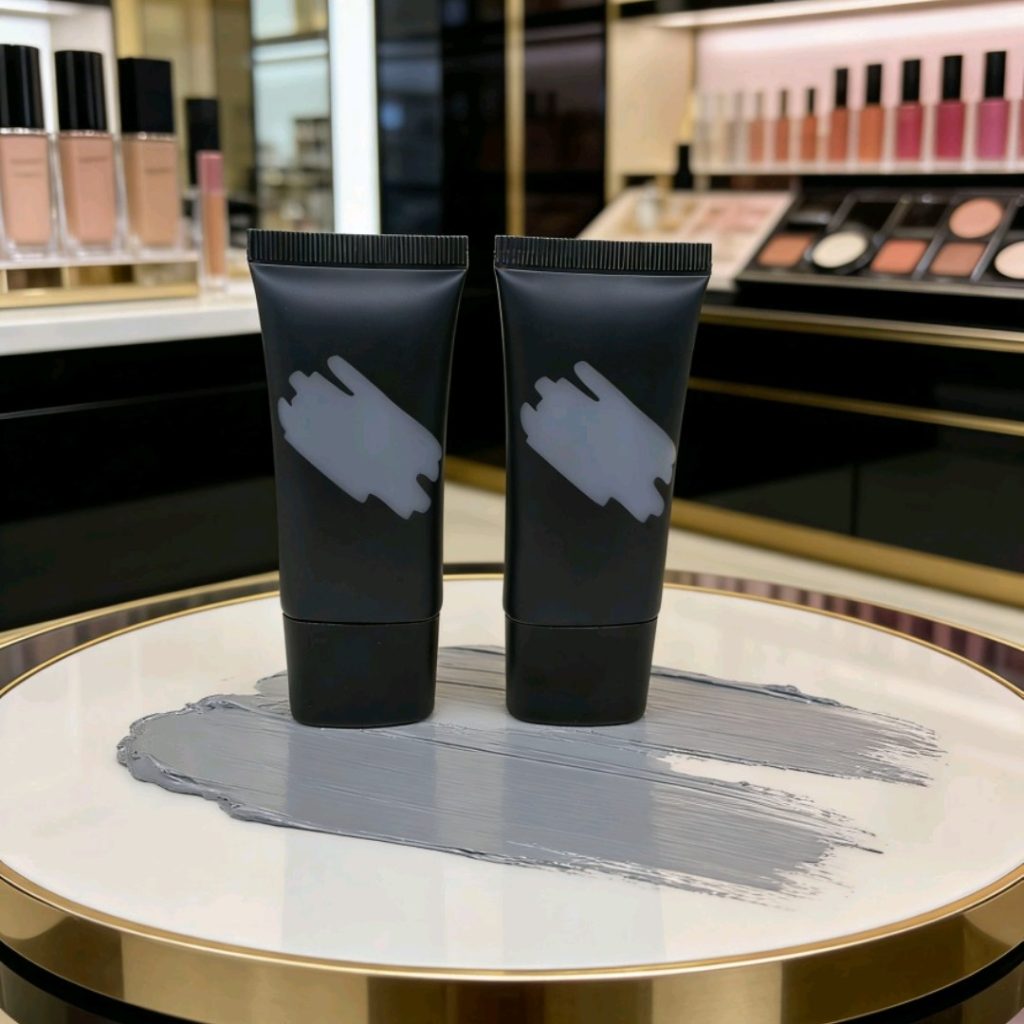
A good example of that approach is the Φ30mm tube diameter, 30 grams/mL PE ultra-thin tubing packaging material/bottle. The format uses a Φ30 tube diameter, PE material, an 86mm hose length, a 5mm tube opening, and a transparent tube body with a UV-printed black matte finish. It also supports customized text and patterns through UV printing, screen printing, or heat transfer, with ultra-thin cover plate options in different injection-molded or electroplated colors. Lead time is set at 20 working days, pre-production sample time at 10 days, and minimum order at 10,000 pieces.
What makes this structure useful for treatment cream packaging is not only the shape. It is the way the details work together. The 5mm outlet supports more controlled dispensing. The black matte body strengthens the product’s tone. The irregular transparent window gives the formula a visible role in the design. The ultra-thin profile improves portability while still creating a bold shelf presence. For a repair cream, active gel, soothing gel, or dark-texture treatment product, that mix is commercially compelling.
This format is also a strong match for products that need a more serious visual language. Dark-colored creams, concentrated repair products, men’s grooming gels, and texture-rich formulas all benefit from packaging that looks focused rather than decorative. The visible window supports product credibility, while the black structure helps the package look cleaner and more deliberate. That combination is especially useful in categories where the formula needs to feel stronger, more technical, or more premium than standard daily care.
Which product types work best in this 30 grams tube format
The value of a 30 grams tube becomes clearer when it is matched to the right product types. This is not a universal tube for everything. It works best when the formula and positioning can benefit from compact structure, strong visual contrast, and cleaner dispensing.
Treatment creams and repair creams
Post-treatment creams, concentrated repair products, and targeted skincare creams are a natural fit. These formulas often rely on a sense of credibility and care. A slim PE ultra-thin tube with a dramatic window helps create that tone while keeping the product easy to carry and easy to dose.
Active gels and topical skincare
Active gels, calming gels, and acid-based skincare treatments also benefit from this type of pack. These products are often used in smaller amounts and need a package that supports control rather than volume. A compact gel packaging tube with a tighter opening makes that easier.
Deep cleansing and dark formula products
Some formulas benefit from being seen rather than hidden. Charcoal cleansing creams, dark-texture creams, and particle-rich emulsions are obvious examples. A transparent window gives the formula more presence and makes the package itself more memorable.
Men’s grooming and compact treatment lines
This tube format also fits men’s care products well. Beard soothing gels, compact styling gels, and portable treatment products often respond well to a darker, flatter, more functional package style. The structure feels premium without becoming oversized or visually loud.
What brands should look for in a profession bottles manufacturer
The phrase profession bottles manufacturer may sound broad, but the search intent behind it is usually specific. Buyers want more than a seller of stock containers. They want a supplier that can support real packaging decisions from early development through production and follow-up.
Development and design support
Treatment cream packaging often needs closer coordination than standard commodity packaging. A buyer may need help with shape, window position, print layout, sealing style, and product match. A supplier that can support concept design, mold development, and sample work reduces friction at the start of the project. The broader workflow here includes concept design, mold development, mass production quality inspection, warehousing and logistics, and after-sales tracking, which gives brands more room to manage a packaging project as one system instead of several disconnected tasks.
Customization flexibility
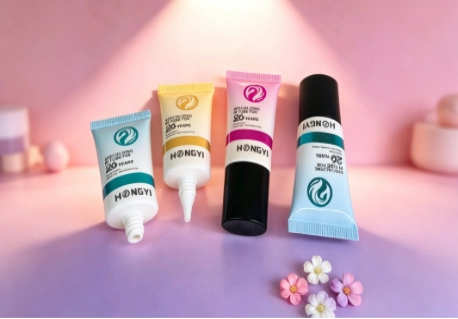
Customization depth matters in this category because treatment products rely heavily on tone. Screen printing, gravure or offset printing, matte varnish, embossing or debossing, UV varnish, and different closure structures all help shape how the product is read in the market. A supplier that can combine these options is in a stronger position to support premium treatment packaging and custom gel packaging supplier needs without forcing a brand into a narrow stock format.
Production speed and order planning
The commercial side also matters. A 10-day pre-production sample timeline, 20 working-day lead time, and 10,000-piece minimum order create a packaging rhythm that many treatment and gel projects can work with. For teams launching new SKUs or extending an active-care line, that type of schedule is practical enough to support planning without feeling overly slow.
Manufacturing stability and service
A good professional cosmetic tube manufacturer also needs stable capacity and service logic. The broader company profile covers a 3,000 square meter factory building area, a 100 square meter R&D center, over 1,000 square meters of warehouse space, OEM and ODM one-stop service, tube diameter coverage from 13mm to 60mm, and after-sales support that includes quality assurance and longer-term follow-up. These points matter because treatment cream packaging is often repeat business rather than a one-time order.
Why customization matters more in treatment cream and gel packaging
In some packaging categories, customization mainly changes appearance. In treatment cream and gel packaging, customization changes positioning. A stronger finish can make the product feel more premium. A better print method can help the pack look more clinical or more luxury-led. A visible window can turn the formula itself into part of the brand message.
This is why custom 30 grams tube projects often outperform generic stock options when the brand wants clearer segmentation. The pack can speak more directly to a repair category, an active ingredient concept, a dark-luxury tone, or a compact professional-use story. That helps the formula stand out without adding unnecessary complexity to the user routine.
Customization also matters for scale. Brands do not stay with one SKU forever. They move into variants, strengths, seasonal editions, and line extensions. A flexible packaging base makes those moves easier. It supports growth without forcing the team to reinvent the packaging logic each time.
Why service matters as much as the tube itself
The best 30 grams tube is only part of the answer. The rest depends on how well the project moves from idea to sample to production. Brands need help with material choice, print advice, component match, order timing, and post-production follow-up. When service support is weak, even a well-designed tube can create avoidable delays in product launch.
This is why service belongs inside the packaging decision. Good packaging service reduces internal delays, improves communication, and keeps the product path clearer from start to finish. The broader service model here includes sampling, packaging design support, production coordination, logistics, and after-sales support, which is exactly what treatment cream and gel projects often need.
For brands planning a new repair cream, active gel, dark-texture cleanser, or other treatment-led product, the better route is to evaluate shape, finish, dispensing control, visibility, and supply fit together. When those elements are handled in one process, the final pack usually works harder for both the product and the brand. If that is the direction of the project, the next step is to contact us and continue the discussion around structure, finish, timeline, and service scope.
FAQ
Q:What types of products fit a 30 grams tube best in this packaging style?
A:Treatment creams, repair creams, active gels, soothing gels, dark-texture cleansers, and other compact topical products are among the strongest fits because they benefit from controlled dispensing, portability, and a more focused visual identity.
Q:Why is a transparent window useful in treatment cream packaging?
A:It lets the formula support trust directly. This is especially useful for dark creams, texture-rich gels, or products where visible particles, color, or consistency add credibility to the product story.
Q:What should brands check before choosing a professional bottles manufacturer for treatment products?
A:The most important points usually include tube diameter, opening size, print options, finish quality, sample timing, lead time, minimum order quantity, development support, and after-sales service. These factors reveal whether the supplier can support a real packaging program rather than only a basic order.