Em 2026, as embalagens de produtos para a pele precisam ir além de simplesmente conter uma fórmula. Elas devem facilitar a aplicação, proteger o produto, ser adequadas para vendas online e no varejo, e garantir o rápido reconhecimento da marca. Para géis, cremes, produtos pós-sol, fórmulas calmantes e hidratantes diários, as bisnagas continuam sendo práticas, pois combinam facilidade de manuseio, dosagem controlada e forte presença nas prateleiras.
É por isso que as embalagens em tubo para cosméticos ainda são importantes para marcas de cuidados com a pele que precisam de praticidade para o usuário e eficiência na produção. Frascos funcionam bem para fórmulas líquidas, e potes podem ser adequados para cremes mais densos, mas muitos produtos modernos para a pele ficam entre esses formatos. Eles precisam de uma embalagem leve, portátil, fácil de apertar e que permita personalização. Um tubo cosmético de plástico bem feito pode atender a essas necessidades sem tornar a embalagem complexa.
Por que as marcas de cuidados com a pele estão repensando as embalagens dos tubos de cosméticos?
Hoje em dia, os consumidores de produtos para a pele os utilizam em mais contextos do que antes. Um gel calmante pode ficar na prateleira do banheiro, ser levado na bolsa da academia, estar presente em um kit de amenidades de hotel ou fazer parte de um conjunto de presentes sazonais. As embalagens precisam se adaptar a esses cenários, mantendo sua função básica bem definida.
As bisnagas cosméticas se adaptam a essa mudança por serem fáceis de transportar, simples de manusear e adequadas para fórmulas que exigem dosagem controlada. Para marcas de cuidados com a pele B2B, isso também reduz conflitos de design durante o planejamento do produto. Um único formato de bisnaga pode atender a diferentes capacidades, estilos de tampa, acabamentos e necessidades de marca.
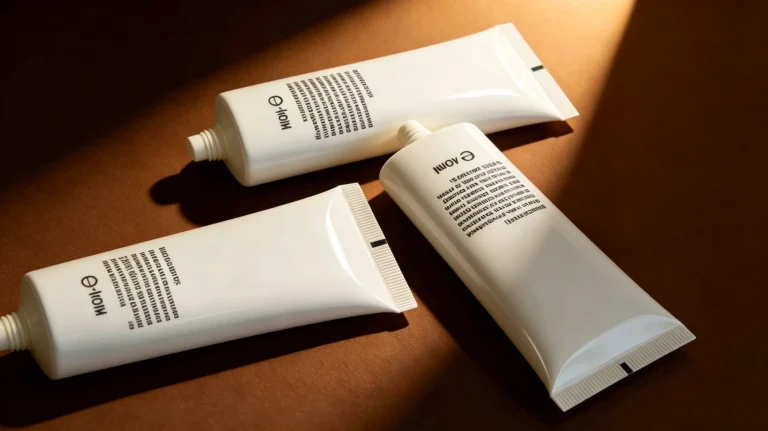
Outro motivo pelo qual as embalagens de cosméticos em tubo continuam competitivas é a sua flexibilidade em diferentes canais de venda. Em páginas de e-commerce, o corpo do tubo oferece espaço suficiente para imagens do produto, informações sobre ingredientes e cores da marca. Nas prateleiras das lojas físicas, o formato, o contraste de cores e o acabamento da superfície podem melhorar a visibilidade entre cremes ou géis semelhantes. Para as equipes de compras, o formato também facilita o planejamento da produção em larga escala, o controle da quantidade mínima de pedido (MOQ) e a personalização da decoração.
As bisnagas cosméticas melhoram o controle, a higiene e o uso diário.
Um recipiente para produtos de cuidados com a pele funciona bem quando o usuário consegue dispensar a quantidade certa sem esforço. Isso é especialmente importante para géis, loções, cremes calmantes e produtos reparadores pós-sol. Se a abertura for muito grande, a fórmula pode fluir muito rapidamente. Se o corpo do recipiente for muito rígido, os usuários podem ter dificuldade para dispensar o produto restante perto do final do uso.
Dosagem controlada para texturas em gel e creme.
As embalagens em tubo para cosméticos permitem que os usuários ajustem o fluxo através da pressão. Isso as torna adequadas para fórmulas de viscosidade média, como gel de aloe vera, creme hidratante, gel pós-sol e máscaras faciais leves. Um tubo cosmético flexível também permite que o usuário pressione o produto em diferentes posições, o que pode reduzir o desperdício de fórmula em comparação com embalagens rígidas.
Para marcas de cuidados com a pele, o controle da dosagem afeta mais do que a praticidade. Ele influencia a percepção de profissionalismo do produto. Um tubo que libera a fórmula suavemente transmite aos usuários a impressão de que a embalagem e a fórmula foram selecionadas como um sistema integrado, e não como decisões separadas.
Contato mais limpo com a fórmula
Em comparação com frascos abertos, as embalagens em tubo podem reduzir o contato direto e repetido com o produto restante. Isso é importante para produtos de cuidados diários para a pele usados com as mãos, especialmente em banheiros úmidos, ambientes de spa ou em viagens. O formato em tubo não substitui a formulação adequada e o controle de qualidade, mas contribui para uma rotina de uso mais higiênica.
Essa é uma das razões pelas quais muitas marcas ainda optam por tubos plásticos para cosméticos, como cremes e géis. O formato é familiar, prático e fácil de usar para os consumidores, sem necessidade de instruções adicionais.
Tubos macios de PE que auxiliam no posicionamento natural dos produtos de cuidados com a pele.
Produtos naturais para a pele geralmente precisam de embalagens que transmitam calma, reparação e uma clara indicação dos ingredientes. Aloe vera, extratos botânicos, géis refrescantes e fórmulas para peles sensíveis dependem de um reconhecimento visual rápido. A embalagem deve deixar clara a finalidade do produto, ao mesmo tempo que apresenta um visual adequado para uma linha profissional de cuidados com a pele.
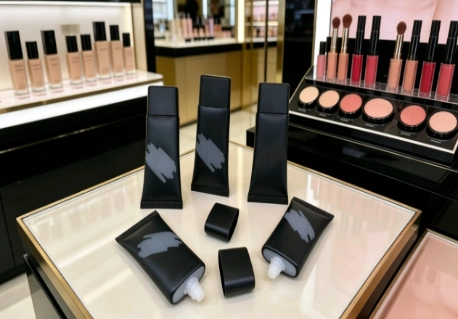
Os tubos flexíveis de PE podem contribuir para esse objetivo, pois combinam uma estrutura flexível com diversas opções de decoração de superfície. A escolha da cor, da impressão, do acabamento e da tampa pode alterar completamente a impressão do produto. Um tubo preto brilhante com ilustrações botânicas em verde pode sugerir uma imagem mais voltada para cuidados naturais, enquanto um acabamento fosco mais suave pode ser mais adequado para cuidados diários delicados com a pele.
É aqui que a embalagem personalizada de cosméticos se torna importante. As marcas estão decidindo como o comprador deve interpretar o produto antes de abri-lo. Um tubo de gel de aloe vera deve ter uma aparência limpa e focada nos ingredientes. Um gel calmante pós-barba pode precisar de um design discreto, enquanto produtos infantis de cuidados suaves podem exigir cores mais delicadas e avisos de segurança mais claros.
Como embalagens cosméticas personalizadas ajudam as marcas a vender em diversos canais.
Diferentes canais de venda criam diferentes requisitos de embalagem. Anúncios online precisam de fotos de produto nítidas. Prateleiras de lojas precisam de alto contraste e informações legíveis. Hotéis, spas e lojas de presentes geralmente esperam um toque refinado. Linhas de cuidados com a pele para farmácias podem precisar de um layout mais limpo e com maior clareza funcional.
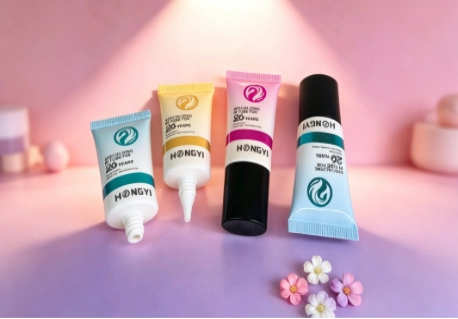
Através tubo cosmético personalizado Em termos de opções, as marcas podem ajustar o formato do tubo, a estrutura do material, o tipo de tampa, a decoração da superfície e o formato da embalagem para atender a essas necessidades. A Hongyi oferece tubos de PE de camada única, coextrusão multicamadas, compósitos de alumínio-plástico, tubos totalmente de alumínio, material PLA degradável e tubos com material reciclado PCR. Os formatos dos tubos incluem circulares, elípticos, planos e com faixa curva, com opções de diâmetro de φ13 mm a φ60 mm.
As escolhas de decoração afetam o valor percebido.
O design da superfície influencia diretamente a forma como um produto de cuidados com a pele é avaliado. A serigrafia permite uma cobertura sólida de cores. A impressão offset possibilita gráficos mais ricos e layouts de logotipo mais detalhados. Verniz fosco, verniz UV, relevo e baixo-relevo podem adicionar contraste tátil e visual.
Para embalagens cosméticas personalizadas, essas escolhas devem estar alinhadas à fórmula e ao posicionamento de mercado. Um gel calmante de alta qualidade pode se beneficiar de um tubo com acabamento brilhante e detalhes metálicos. Já um creme dermatológico pode exigir um acabamento fosco discreto e cores minimalistas. O método de decoração adequado ajuda a embalagem a refletir o posicionamento do produto.
Uma opção prática de tubo de PE para fórmulas naturais de cuidados com a pele.
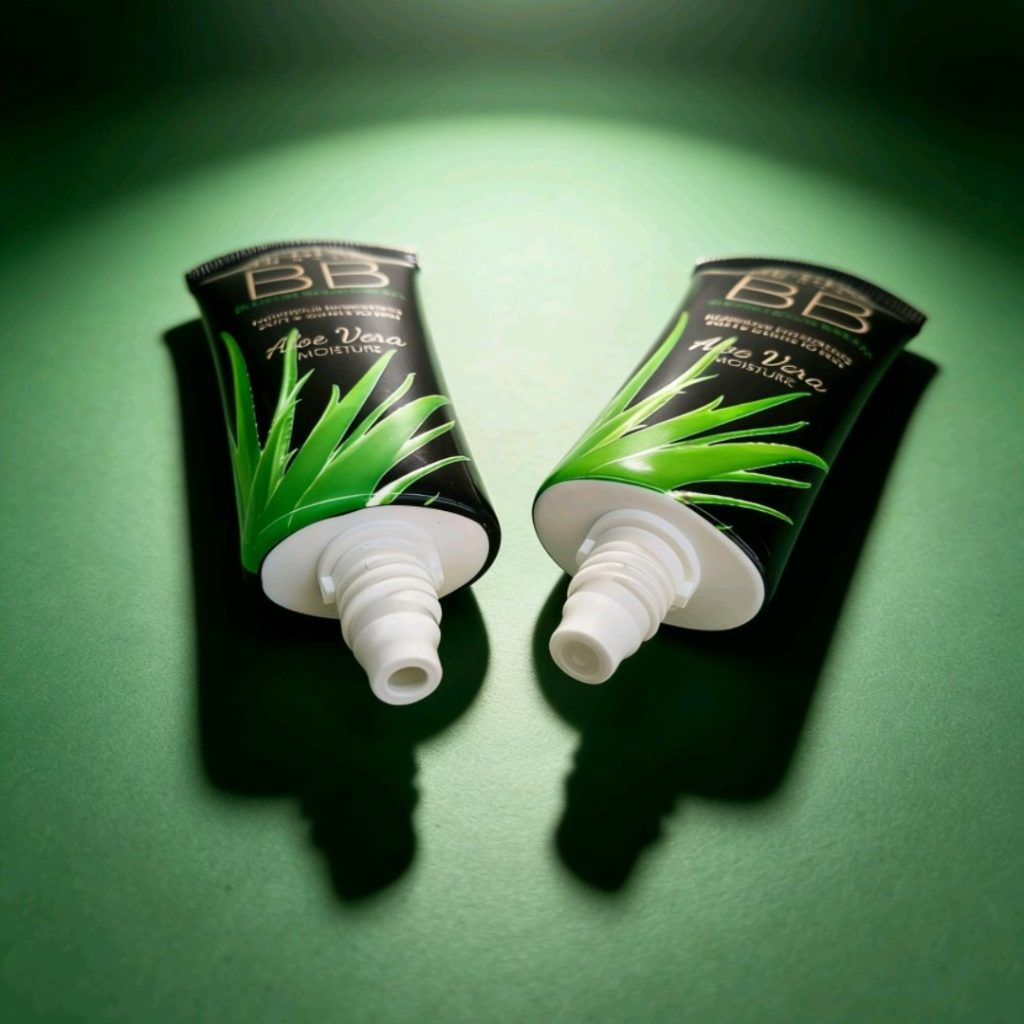
Para marcas que desenvolvem gel de aloe vera, gel reparador pós-sol, creme hidratante pré-embalagem, máscara noturna calmante ou produtos similares para cuidados com a pele, o Tubo flexível de PE com diâmetro de 30 mm e 40 g/mL É uma opção prática.
Este tubo é feito de material PE com diâmetro de Φ30 e capacidade de 40 g/ml. O diâmetro do orifício do tubo é de 5 mm, adequado para diversas texturas de gel e creme que necessitam de dosagem controlada. O produto possui corpo em tubo preto brilhante, estampa de aloe vera verde, texto verde, texto branco na parte traseira e texto prateado na parte frontal. A tampa pode ser personalizada com cores moldadas por injeção, cores eletrodepositadas, acabamento fosco, brilhante, leve e opções de tampa de rosca discreta ou de encaixe.
O tamanho torna-o ideal para cuidados diários com a pele, linhas de viagem, conjuntos sazonais e produtos para spas ou hotéis. O formato de 40 g/ml oferece capacidade suficiente para uso regular, mas ainda é compacto o bastante para rotinas portáteis. Para projetos de venda por atacado de bisnagas de cosméticos, esta especificação fornece às equipes de compras um ponto de partida claro para capacidade, decoração, quantidade mínima de encomenda (MOQ), prazos para amostras e prazos de entrega.
Como avaliar um fabricante de tubos cosméticos para embalagens de produtos para a pele em grande quantidade.
A escolha de um fabricante de tubos cosméticos deve ir além da aparência do produto. O parceiro ideal precisa oferecer suporte na seleção de materiais, decoração, amostragem, planejamento de produção e comunicação sobre qualidade. Isso é fundamental para pedidos em grande quantidade, pois pequenos erros de design podem se tornar custosos após o início da produção.
Um fornecedor qualificado deve ajudar as marcas a analisar esses pontos antes da produção em massa:
- viscosidade da fórmula e necessidades de dispensação
- diâmetro do tubo, comprimento do tubo e capacidade
- estilo da tampa e método de vedação
- impressão e acabamento de superfície
- Quantidade mínima de encomenda e prazo de produção
- Cronograma de amostragem de pré-produção
- inspeção e suporte pós-venda
Plástico HongYi Atua como uma fábrica de materiais para embalagens cosméticas, focada em tubos plásticos, com P&D e design como principais áreas de atuação e produção e cadeia de suprimentos como núcleo. Essa experiência é útil quando uma marca de cuidados com a pele precisa tanto de personalização visual quanto de suporte estável na fabricação.
A amostragem reduz o risco de embalagem
Antes de encomendas em grande quantidade, as marcas devem testar a fórmula dentro do tubo selecionado. Isso ajuda a confirmar a sensação ao apertar, a velocidade de fluxo, a compatibilidade da tampa, a legibilidade do rótulo e o acabamento da superfície. O verdadeiro teste ocorre quando a fórmula é envasada, lacrada, enviada, armazenada e utilizada pelos consumidores.
Esta etapa é especialmente útil para produtos de cuidados com a pele que contenham extratos botânicos, géis refrescantes e cremes mais espessos. O tamanho da abertura, a flexibilidade da parede do tubo e a estrutura da tampa devem funcionar em conjunto com a fórmula, em vez de criar problemas de dosagem ou vedação.
Quando as bisnagas de cosméticos são melhores do que potes ou frascos.
Não existe um formato de embalagem único que seja adequado para todos os produtos de cuidados com a pele. Potes ainda funcionam bem para cremes e máscaras densas, onde se espera uma abertura ampla. Frascos são adequados para líquidos mais fluidos, como tônicos ou loções fluidas. Embalagens com pump podem ser melhores para fórmulas líquidas maiores ou produtos de limpeza.
As bisnagas cosméticas tornam-se a melhor opção quando o produto exige portabilidade, aplicação direta e uma rotina de uso higiênica. São especialmente úteis para gel de aloe vera, gel reparador pós-sol, creme para as mãos, creme facial, máscaras noturnas e produtos calmantes de aplicação localizada.
Para marcas que comparam embalagens em tubo para produtos de cuidados com a pele, a decisão deve começar com o comportamento do usuário. Os clientes usarão o produto em casa, ao ar livre, após o barbear, após a exposição solar ou durante viagens? Precisarão de uma dosagem controlada com apenas uma mão? Se as respostas apontarem para portabilidade e uso controlado, um formato em tubo geralmente é mais adequado do que um frasco ou pote rígido.
Conclusão: uma escolha inteligente de embalagem para as linhas de cuidados com a pele de 2026.
Em 2026, as embalagens de produtos para cuidados com a pele devem proteger a fórmula, facilitar o manuseio diário, comunicar uma mensagem clara da marca e permanecer práticas para a produção em larga escala. As embalagens em tubo para cosméticos atendem a essas necessidades para muitos géis, cremes e fórmulas calmantes, pois combinam dispensação flexível com um potencial confiável de personalização.
Para marcas que planejam embalagens cosméticas personalizadas ou projetos de venda por atacado de bisnagas cosméticas, a abordagem mais eficaz é começar pela fórmula e, em seguida, combinar a capacidade, o diâmetro do tubo, o tamanho da abertura, o tipo de tampa e a decoração da superfície. Um tubo adequado deve tornar o produto mais fácil de usar e mais fácil de reconhecer.
Para discutir diâmetro do tubo, capacidade, decoração, amostras ou planejamento de produção em massa, Envie-nos sua fórmula e requisitos de embalagem.E nossa equipe pode ajudar a definir a melhor direção para o seu projeto de embalagem de produtos para a pele.
FAQ
P: As bisnagas cosméticas são adequadas para produtos naturais de cuidados com a pele?
R: Sim. As bisnagas cosméticas são adequadas para gel de aloe vera, gel reparador pós-sol, creme calmante, creme hidratante e fórmulas similares de cuidados naturais para a pele. Seu corpo flexível, dosagem controlada e design de superfície personalizável as tornam úteis para marcas que precisam de comunicação visual focada tanto na função quanto nos ingredientes.
P: O que as marcas devem verificar antes de encomendar bisnagas de cosméticos no atacado?
A: As marcas devem confirmar a textura da fórmula, o diâmetro do tubo, a capacidade, o diâmetro do furo, o tipo de tampa, o método de impressão, a quantidade mínima de encomenda (MOQ), o prazo para amostras, o prazo de entrega e os padrões de inspeção da embalagem. Para encomendas em grande quantidade, testar a fórmula real no tubo selecionado ajuda a reduzir os riscos de vazamento, problemas de dosagem e problemas de aparência antes da produção.
P: Como um fabricante de tubos cosméticos pode oferecer suporte a embalagens cosméticas personalizadas?
A: Um fabricante de tubos cosméticos pode oferecer suporte à personalização de embalagens cosméticas por meio da seleção de materiais, ajuste do formato do tubo, combinação de tampas, impressão, acabamento de superfície, amostragem e planejamento de produção. Para marcas de cuidados com a pele, esses serviços ajudam a alinhar a embalagem com o desempenho da fórmula, as necessidades dos canais de distribuição e o posicionamento da marca.