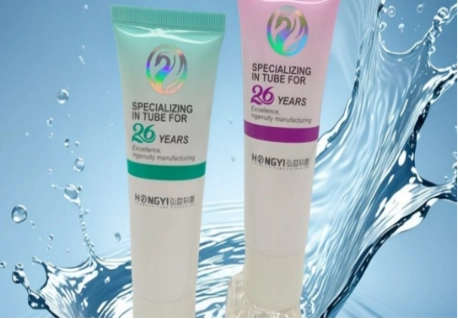
A seamless PE cosmetic tube may look simple, but its performance comes from a controlled chain of decisions. The resin affects flexibility and formula contact. The tube wall affects squeeze feel. The shoulder, opening, cap, seal, and printing process all influence how the package works in daily use and transit.
For beauty brands, learning how PE cosmetic tube manufacturing works makes supplier conversations more useful. It also helps teams compare a tube vs bottle choice and avoid problems that appear after filling. At Hongyi Plastic, we make plastic cosmetic tubes and wholesale cosmetic squeeze tubes for skincare, body care, lip care, and personal care products.
Why Seamless PE Tubes Are Used in Cosmetic Packaging
The word seamless describes a tube body formed as one continuous structure rather than by joining a flat sheet along a visible side seam. This gives the package a smooth surface for printing, sealing, and squeezing. The result affects both appearance and production performance.
Material Choice Starts with Polyethylene
PE is popular in cosmetic tube manufacturing because it combines flexibility, light weight, chemical resistance, and a comfortable hand feel. Different PE grades and wall structures can be selected for a light lotion, a rich cream, a cleanser, a sunscreen, or a balm. The correct choice depends on formula compatibility, required barrier performance, and the pressure needed during dispensing.
This is why a 30 grams tube and a large body-care tube should not use identical specifications. A 30 grams tube may suit travel skincare, while a 350ml tube needs stronger structure and a larger grip area. Hongyi Plastic supports tube diameters from 13mm to 60mm and capacities from samples to larger daily-use packaging.
A Smooth Body Supports Better Printing
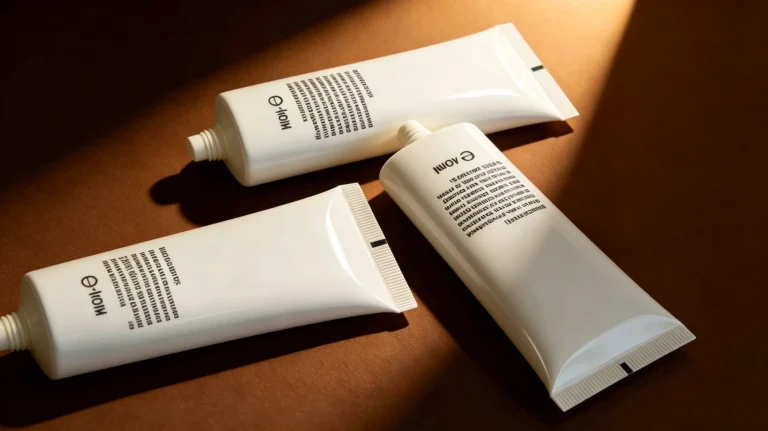
Seamless forming gives the tube a continuous surface for artwork. A smooth body makes it easier to place a logo, ingredient panel, shade name, or usage information without a raised side join interrupting the design. For a new skincare line, this can help several sizes look related even when their diameters are different.
From PE Resin to a Finished Cosmetic Tube
The manufacturing route has several linked stages. Each stage affects the next one, so a tube that looks correct on a drawing still needs production testing. At Hongyi Plastic, our process combines automated equipment, mold development, controlled workshop operations, printing, sealing, packing, and inspection. The aim is stable performance from the first sample to repeat orders.
Extrusion Forms the Tube Body
Production begins with prepared PE material. The resin is heated and pushed through a forming tool to create a continuous tube body. The diameter, wall thickness, color, and surface quality are checked during this stage. Cooling and cutting must also remain consistent so the tube keeps its intended length and shape.
The shoulder is then formed to connect the body with the opening and cap. A smooth shoulder helps the formula move toward the outlet and can reduce product left behind near the top of the package. This matters for hand cream, lotion, sunscreen, and thick facial products that need steady squeeze performance.
Openings, Caps, and Seals Complete the Structure
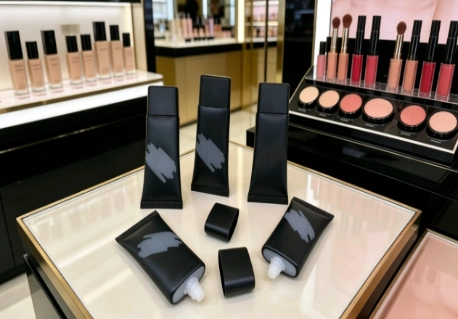
The dispensing end must match the formula and use. Plastic squeeze tubes with caps are practical for creams, lotions, and cleansers. A pump squeeze tube can provide more controlled dosage for lotion, essence, or active skincare. Pointed nozzles, silicone tips, and brush heads support targeted application.
The tail is usually filled and then sealed after the formula enters the tube. Seal quality affects leakage, transport safety, and shelf appearance. Hongyi Plastic provides custom tube development for tube diameter, shoulder, cap, printing, sealing, and applicator details.
How Cosmetic Tube Printing Creates Shelf Appeal
Printing is where a functional package begins to carry a brand story. Artwork must stay readable on a curved, flexible surface, and the process should match the product position. A clinical skincare line, a hand cream, and a colorful lip product may all use PE but still need different visual treatment.
Offset Printing, Silk Screen, and Hot Stamping
Offset printing is useful for detailed artwork and several colors. Silk screen printing can create clean text and stronger solid areas. Hot stamping adds a metallic or premium detail when a brand wants a sharper shelf signal. Labels may be used when artwork changes frequently or when a product needs more space for variable information.
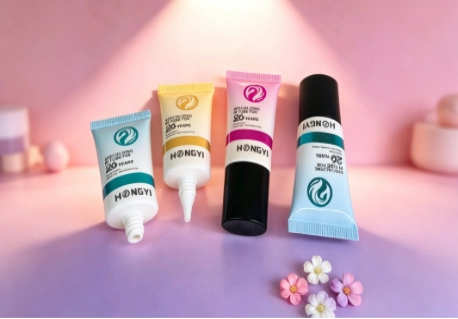
Hongyi Plastic supports offset printing, silk screen printing, hot stamping, and labeling. Our cosmetic tube product range includes formats for skincare, lotion, lip care, and functional applications. Buyers comparing different lip gloss tubes should check how each surface handles color, transparency, cap matching, and repeated handling.
Color and Finish Need Production Checks
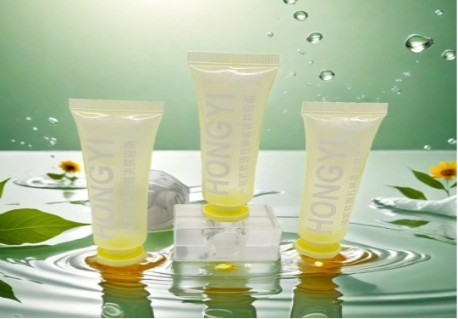
A color that looks right on a screen may shift on a flexible tube. Glossy and matte finishes also reflect light differently, which can change how the artwork is seen. Sample approval should therefore include the actual tube material, selected ink, cap, and planned printing process.
This is one area where experienced production support matters. A team that makes cosmetic tubes every day can explain where artwork may distort, how much space a seal needs, and whether a logo should move away from the shoulder or tail.
Quality Control Protects the Finished Package
Quality control is not one final visual check. It covers material, forming, printing, sealing, and packing. For brands purchasing wholesale cosmetic squeeze tubes, repeat-order consistency matters as much as the first sample. Dimensions, color, closure, and squeeze feel should remain stable as volume grows.
What Manufacturers Should Inspect
A practical inspection plan should cover the points that customers will notice and the points that protect the formula. Depending on the project, checks may include:
- Tube diameter, length, wall appearance, and weight
- Shoulder alignment and outlet size
- Cap fit, opening force, and leakage resistance
- Tail seal strength and visual consistency
- Printing position, color, adhesion, and scuff resistance
- Squeeze recovery and the amount of product left inside
- Carton packing, quantity, labeling, and delivery condition
Testing the Actual Formula Matters
Water cannot represent every cosmetic formula. A thick cream, oil, balm, or cleanser may need a different opening and wall structure. Brands should test the actual formula in the actual tube, then review the first squeeze, final squeeze, cap area, storage position, and transport condition.
The same thinking applies when customers ask how to refill a tube of lotion or whether a refillable lip balm tube is hygienic. Reuse works only when the package can be opened, cleaned, refilled, and closed without unnecessary contamination. Packaging decisions should follow real use.
Choosing a PE Tube Format for the Market
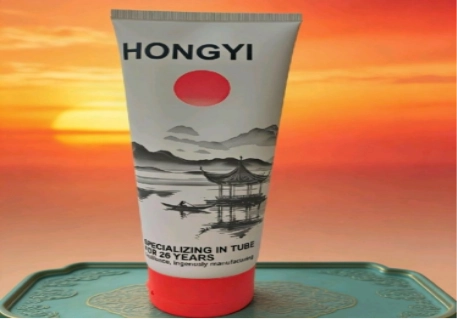
A manufacturer should help the brand choose a structure that fits both the product and the sales channel. A small 30 grams tube may suit travel or sampling. A 95ml tube can fit a facial cleanser or daily cream. A large 236ml or 350ml tube may be better for body lotion, conditioner, or family-use products.
Tube vs Bottle and Functional Options
The tube vs bottle decision usually comes down to product texture, dispensing preference, transport, and brand position. Tubes are light and easy to squeeze. Bottles may suit pump systems and thinner formulas. A pump squeeze tube can combine the soft feel of a tube with more measured dispensing.
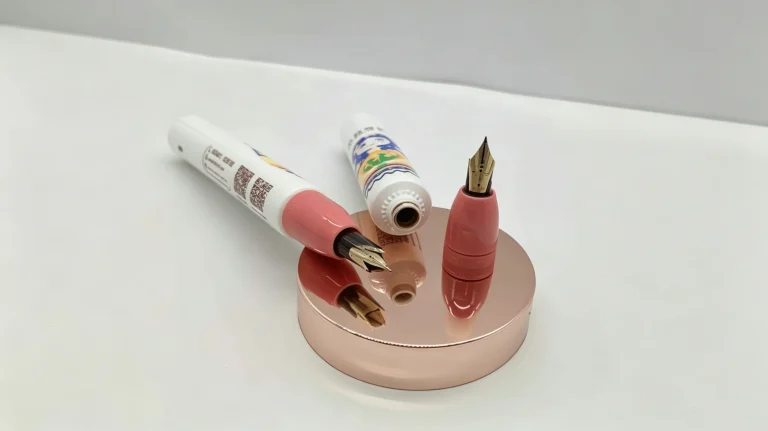
Adjacent packaging searches can reveal useful customer questions. The standard lip balm tube volume ml is much smaller than a body lotion tube, while a lip balm refill may need a removable insert. Paint plastic tube manufacturers may face different requirements, but the shared lesson is that material, sealing, printing, and repeatable production must match the product.
Why Brands Work with Hongyi Plastic
Hongyi Plastic has focused on cosmetic tube manufacturing since 2009. Our factory covers more than 3,000 square meters, with a research and development center of more than 100 square meters and warehouse space of more than 1,000 square meters. We support OEM and ODM development for plastic hoses, aluminum-plastic tubes, and all-plastic tubes.
Our production system includes ISO 9001 and ISO 45001 management experience, a 100,000-grade GMPC workshop, automated equipment, and controlled processes for forming, printing, sealing, packing, and delivery. We also support mold development, sample confirmation, and long-term supply planning. Buyers can review our functional tube options when a standard cap is not enough.
Conclusion
Seamless PE cosmetic tubes are made through a connected process covering material selection, extrusion, shoulder forming, cap matching, sealing, printing, and quality control. Each step affects appearance, squeeze feel, formula protection, and daily performance. The best result comes from testing the actual formula before a bulk order. Hongyi Plastic supports samples, molds, printing, inspection, packing, and repeat production for 30 grams tubes, plastic squeeze tubes with caps, pump squeeze tubes, and larger PE packaging.
FAQs
Q: What is a seamless PE cosmetic tube?
A: It is a continuously formed PE tube body without a visible side seam.
Q: What does a 30 grams tube hold?
A: It usually holds about 0.03 liters, depending on the formula density.
Q: Can Hongyi Plastic support wholesale cosmetic squeeze tubes?
A: Yes. We support custom sizes, caps, printing, samples, molds, and bulk production.