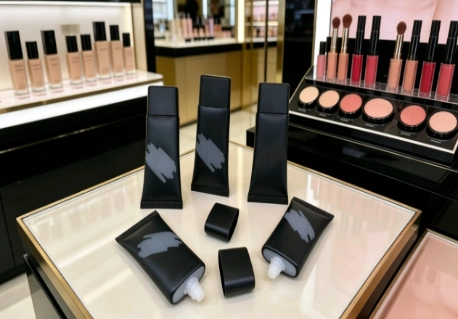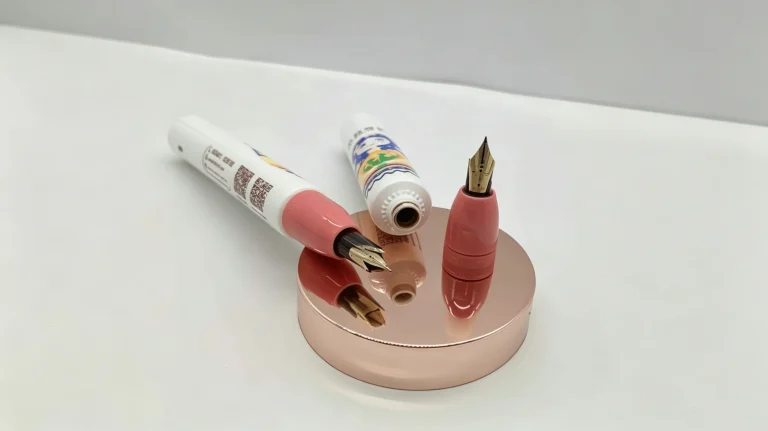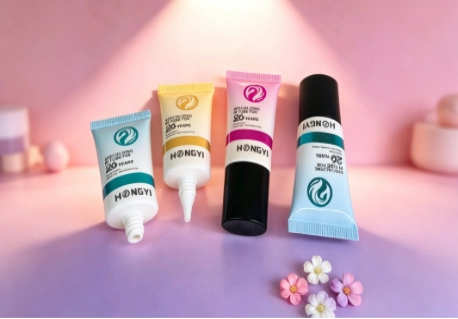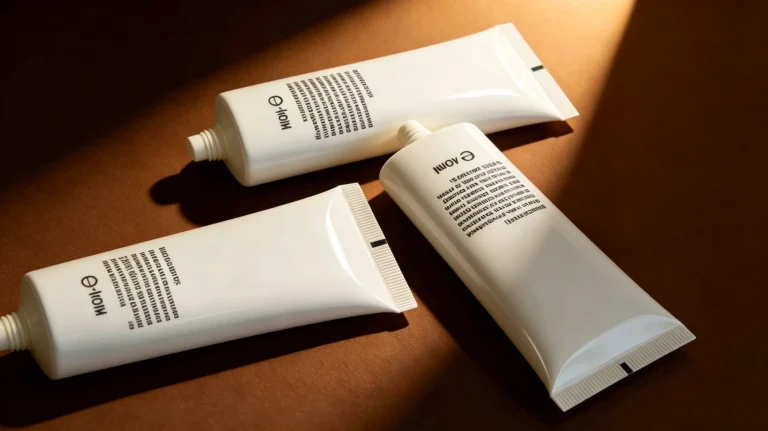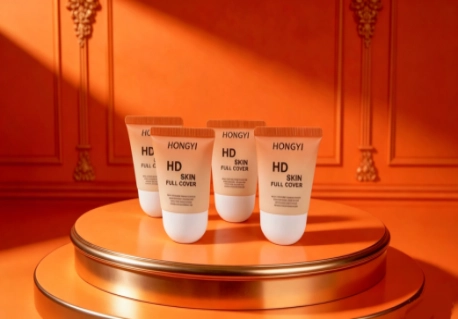
Empty cosmetic packaging may look simple. Yet many packs contain several materials. A plastic cosmetic tube can include a tube body, cap, pump, spring, brush, silicone applicator, or decorative layer. A compact may combine plastic, a mirror, a metal pan, magnets, glue, and leftover powder. For this reason, consumers should not place every empty cosmetic tube or compact directly into a recycling bin. The correct method depends on the materials, product residue, package structure, and local collection rules.
As a supplier deeply rooted in the cosmetic tube industry, Hongyi Plastic offers a variety of functional plastic tubes with different dispensing structures, including pump heads, brushes, silicone massage heads, and powder puff heads. While these different accessories enhance the user experience, they also significantly increase the difficulty of backend recycling and sorting. This article will provide a complete explanation of compliant recycling and disposal methods for empty cosmetic tubes and makeup powder cases. It will also share sustainable beauty packaging design ideas from brands, drawing on Hongyi Plastic’s packaging R&D experience.
Why Cosmetic Packaging Can Be Difficult to Recycle?
Cosmetic packaging must protect the formula. It must also prevent leakage. In addition, it needs to control the amount dispensed. Finally, it must remain attractive throughout its shelf life. These functions often require several components. Before disposal, consumers should examine the complete package. They should not look only at the outer plastic surface.
A recycling symbol may identify the plastic resin. Yet it does not confirm that the item is accepted by every local facility.
Mixed Materials Create Sorting Problems
Many plastic cosmetic tubes use a PE tube body with a PP cap. Pump tubes may also contain metal springs, collars, dip tubes, and other small parts.
Hongyi Plastic supplies different dispensing formats through our functional plastic tube range, including pumps, brushes, silicone heads, massage applicators, and puff heads.
These components improve the user experience. At the same time, they can make recycling more difficult. When several materials remain attached, sorting equipment may not identify them correctly. Removing detachable parts gives each material a better chance of entering the right waste stream.
Cosmetic Residue Can Contaminate Recycling
Cream, oil, wax, foundation, and pigment often remain inside empty cosmetic tubes. Heavy residue can contaminate other recyclable materials. It can also lower the quality of recycled plastic.
The packaging does not need to be perfectly clean. Remove visible product. Rinse the tube only when suitable. Then allow it to dry. Excessive washing can waste water. Therefore a light cleaning is normally enough.
How to Dispose of Empty Cosmetic Tubes?
The most practical method is to treat the tube body, cap, pump, and applicator as separate components. This process takes only a few minutes. It also prevents “wish-cycling.” This term means placing packaging in a recycling bin without knowing whether the local system accepts it.
Use as Much Product as Possible
Start by squeezing the tube from the sealed end toward the opening. A tube key or flat squeezer can help move cream trapped along the sidewalls. This method works well for cleansers, lotions, hand creams, sunscreens, and other skin care products.
Do not cut open tubes containing strong acids, hair dye, solvents, or formulas that may irritate the skin. Follow the product label and local household-waste guidance instead.
Using the full formula is also part of sustainable cosmetic packaging. Wasted product represents wasted ingredients, production energy, filling work, and transportation.
Remove Caps, Pumps, and Applicators
Unscrew or pull off every component that can be removed safely. Larger PE or PP caps may be accepted with rigid plastics. This acceptance depends on local rules. Pumps, brushes, and small applicators are harder to process. They often combine different materials.
Never cut open a pump with a knife. Internal springs and small parts may create sharp edges or move unexpectedly.
Hongyi Plastic offers a wide selection of skin care plastic tubes and makeup plastic tubes. During package development, brands should consider whether consumers can remove the dispensing component without special tools.
Clean and Dry the Tube
For an ordinary water-based formula, follow these steps:
- Squeeze out the remaining product.
- Rinse the inside once with warm water.
- Add one small drop of mild soap only when needed.
- Shake out the water.
- Let the tube dry completely.
- Keep the tube loose rather than placing it inside another container.
Oily or heavily pigmented formulas may require a second rinse. However, avoid pouring large amounts of oil, foundation, nail products, or chemically active formulas into a sink. Some products may require a separate household-waste route.
Check Local Recycling Rules
Some recycling systems accept PE cosmetic tube packaging. Others accept only plastic bottles, jars, and tubs. Search your local authority’s website for terms such as “plastic tubes,” “toiletry tubes,” or “cosmetic packaging.”
When curbside recycling does not accept empty cosmetic tubes, look for:
- Specialist plastic collection points
- Cosmetic packaging take-back programs
- Community recycling centers
- Local household-waste facilities
When no suitable recycling route exists, placing the item in general waste may be better than contaminating an entire recycling load.
How to Dispose of Empty Cosmetic Compacts?
Compacts are rigid. Yet they are not always easier to recycle. Their shells, mirrors, metal pans, magnets, hinges, sponges, and adhesives may need different disposal methods. Safe separation is the main priority. Consumers should never break or cut the package simply to recover a small component.
Separate Removable Components
Open the compact and remove leftover powder, sponge inserts, brushes, and loose paper labels. If the metal pan lifts out easily, separate it. Remove the mirror only when the compact was designed for safe disassembly.
Use this general guide:
- Metal pan:Recycle with metal when accepted locally.
- Plastic shell:Recycle only when the resin and item size are accepted.
- Mirror:Use specialist collection or general waste.
- Sponge or brush:Usually place in general waste.
- Cardboard box:Flatten and recycle when clean and dry.
Do not force a bonded mirror out of the case. Broken glass can cause injury and contaminate plastic recycling.
Small metal pans may also fall through sorting equipment. Ask your local facility whether small metal pieces are accepted.
Reuse the Compact When Appropriate
A clean, undamaged compact may be reused for jewelry, pins, buttons, or other small non-food items. Reuse is not suitable when the compact has sharp edges, a cracked mirror, or a porous insert that cannot be cleaned.
Do not fill an ordinary used compact with a new cosmetic formula unless it was designed as a refillable package. Residue, moisture, and hard-to-clean corners may affect hygiene and formula quality.
What Beauty Brands Can Do Before Disposal?
Consumers can clean and separate packaging. Yet brands make the most important decisions during package development. Material selection, component design, decoration, capacity, and labeling all affect what happens to cosmetic tube packaging after use.
At Hongyi Plastic, we provide OEM/ODM services for customized structures, capacities, colors, and decoration. Our available tube diameters range from 13 mm to 60 mm, with offset printing, silk-screen printing, hot stamping, and labeling options.
Choose Simpler Material Structures
Brands should consider several practical questions:
- Can the tube body and cap use compatible plastics?
- Can the pump be removed by hand?
- Can unnecessary metal decoration be reduced?
- Can users empty the tube without cutting it?
- Is the package correctly sized for the fill volume?
- Can disposal instructions remain visible after use?
A simple structure does not have to look basic. Shape, color, printing, surface finish, and applicator design can still create a clear product identity.
Through our custom cosmetic tube service, we support decisions involving tube diameter, capacity, dispensing style, decoration, and production requirements. Hongyi Plastic was founded in 2009 and focuses on cosmetic tubes and one-stop OEM/ODM services.
Add Clear Disposal Instructions
A short instruction can prevent major sorting mistakes. Instead of printing only “Please recycle,” brands can provide specific guidance:
Empty the tube, remove the PP cap, and check local PE tube recycling rules.
A QR code can direct consumers to disposal information for different markets. This is valuable when a product is sold in several countries or regions with different recycling systems.
Clear material information also builds trust. Consumers are more likely to follow disposal instructions when the wording is direct and practical.
Consider PCR and Right-Sized Packaging
Reducing unnecessary material is often the first step toward more sustainable cosmetic packaging. A right-sized tube protects the formula without using excess plastic or shipping unnecessary empty space.
Post-consumer recycled plastic, commonly called PCR, may support responsible packaging goals when it meets requirements for formula compatibility, appearance, strength, printing, and safety.
Hongyi Plastic is willing to cooperate with partners on PCR packaging development and responsible packaging commitments. More information about our products and manufacturing services is available on the Hongyi Plastic website.
Quick Cosmetic Packaging Disposal Checklist
Before discarding empty cosmetic tubes or compacts:
- Use as much formula as possible.
- Remove detachable caps, pumps, pans, brushes, and covers.
- Wipe away or lightly rinse visible residue.
- Allow plastic packaging to dry.
- Check the exact local recycling rules.
- Use specialist collection for mixed-material components.
- Do not place broken mirrors or sharp parts in recycling.
- Avoid recycling packaging simply because it displays a resin symbol.
Conclusion
Empty cosmetic tubes and compacts should not automatically be placed in the same recycling bin. Consumers should first use the remaining formula. They should then remove detachable components. Next they need to clean visible residue. Finally they must check local collection rules. Simple PE plastic cosmetic tubes may have a clearer recycling route than pumps, brushes, mirrored compacts, or mixed-material cases.
For beauty brands, better disposal begins during package design. Compatible plastics, removable dispensers, suitable capacities, clear labels, and carefully selected PCR materials can make cosmetic tube packaging easier to handle after use. At Hongyi Plastic, we help brands develop packaging that balances formula protection, appearance, dispensing performance, user convenience, and practical end-of-life choices.
FAQs
Q: Can a 30–50 mL PE cosmetic tube go into curbside recycling?
A: Only when local collection accepts PE tubes; remove the pump first.
Q: How much product should remain before recycling?
A: Ideally 0 mL; remove all visible residue before disposal.
Q: Can a 15 g cosmetic compact be recycled whole?
A: Usually not. Separate the pan, shell, mirror, and applicator when safe.