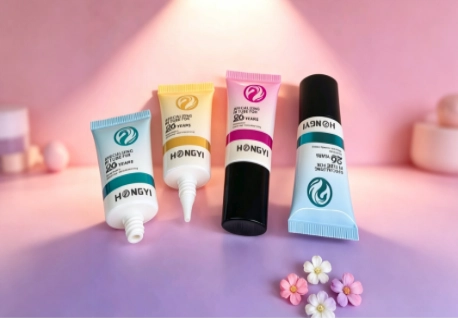
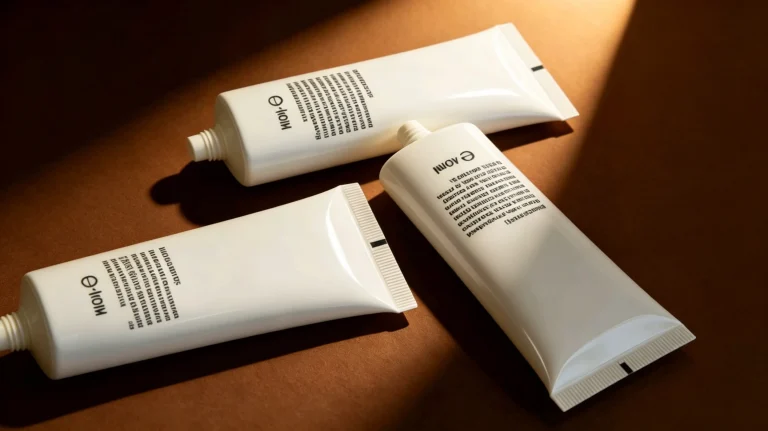
Sustainable beauty packaging involves much more than simply selecting a material labeled "eco-friendly." Today beauty brands need to consider the total volume of packaging they apply. They must verify whether the separate components can be sorted and recycled effectively. In addition they have to examine how well the container safeguards the formula inside. They also need to determine whether customers will actually participate in a refill system. These choices hold great significance throughout skincare, makeup, and personal care collections.
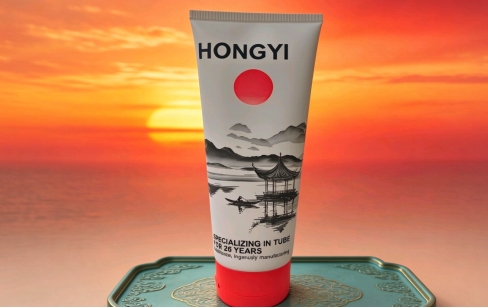
For product development teams the primary challenge lies in creating packaging that is far more responsible. Yet they must achieve this result without making the products more difficult to fill, ship, open, or apply. This guide reviews practical sustainable skincare packaging trends. It also explains how to evaluate tubes, bottles, caps, pumps, and refill options in the proper way. At plástico Hongyi we work closely with brands on cosmetic tube formats. We also assist in developing custom specifications that fully support these important decisions.
What Does Sustainable Beauty Packaging Mean?
A package is not truly sustainable simply because it uses less plastic or includes recycled material. A truly effective assessment examines the complete design. This review covers the material volume, formula protection, and manufacturing requirements. It also addresses transport, local collection systems, and what happens once the product is empty. Reuse can certainly help. However this approach succeeds only when the package and the return or refill process align closely with normal customer habits.
For brands that sell products in multiple regions local recycling rules become essential. A package may be technically recyclable. Yet it might not be collected or processed in every market. For instance the European Union’s packaging rules aim for fully recyclable packaging by the year 2030. Therefore teams that serve that specific market should follow the relevant requirements carefully while they develop new products.
Sustainable Beauty Packaging Trends to Watch
The most useful trends focus on practical design improvements. These updates can be tested thoroughly before a major launch. Material reduction, recyclable structures, recycled content, and refill systems all deliver potential advantages. Still no single choice works perfectly for every formula or sales channel. The sections below explain what brands should examine with care. They also list the precise questions that companies should ask their packaging suppliers.
1. Right-Sized Packaging and Less Material
Cutting out extra material gives a simple place to start. Every container needs enough room for the product inside. It also needs space for printed directions and secure handling. Yet, too much empty room adds heavy bulk. Big parts do the same thing. This added weight gives buyers no real value. A tiny or light container helps cut down shipping loads. That fact holds up, as long as the item stays safe.
Total volume must match how people use the item. A 30 grams tube works well for a spot treatment. It also fits nicely as a handy travel item. At the same time, a big skincare item might need a wide tube. A tough bottle works well too. When looking at a tube vs bottle, think about the liquid thickness. You need to check pouring control and easy carrying. Also, look at how much liquid gets stuck inside after regular daily use.
2. Designing Tubes for Recycling
Real recycling success relies on more than just the main tube plastic. The shoulder, cap, and barrier layers matter a lot. Inks, outer coatings, and labels play a huge role too. These parts change how waste plants spot and sort a container. Companies need to ask makers how the whole item is built. Next, they must check those details against local sorting rules. These rules vary across different sales areas.
A simple plastic makeup can make sorting much easier in some waste plants. Even then, it must guard the liquid inside perfectly. Hongyi Plastic gladly helps with custom tube talks. These chats cover single-layer PE and multi-layer structures. We also discuss aluminum-plastic tubes and PCR-containing materials. Our servicio de personalización helps groups check the tube build and width. It also covers the cap style and outside art all at once.
3. PCR Content and Material Transparency
PCR cosmetic packaging relies on plastic gathered after people use it. Mixing in PCR content drops the demand for fresh virgin resin. Still, this reused plastic might shift the final color. It can alter the surface look and factory steps. Supply planning might change as well. A company must always check the exact reused plastic amount. They need to look over the paperwork and final item quality with their maker. They must never trust just a vague green claim.
Being open is just as vital as picking the right plastic. You need to keep exact notes on all plastic traits. Also, do not call a container recyclable or recycled without proof. The claim must fit the item and the sales area perfectly. The Hongyi Plastic skincare tube range offers many PE formats. Plus, the site details show PCR-containing material as a ready choice for talks.
4. Refill and Reuse Where Customers Will Use Them
Refill systems can reduce single-use packaging considerably. However the supporting business model must operate smoothly in daily routines. Customers need a simple way to purchase refills. They also require clear instructions on how to clean or return the package when necessary. They must understand the complete system without confusion. Current research on packaging reuse stresses one key point. Brands need to develop the package and the supporting system together. They should not treat refillability as merely an added feature of the container itself.
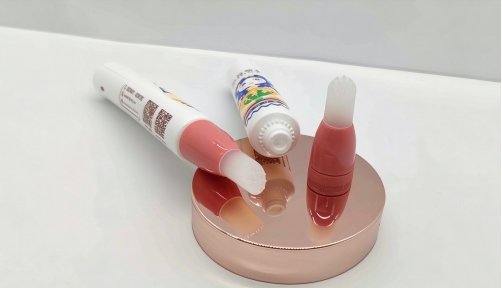
A refillable lip balm tube or a simple lip balm refill can work well for a compact product. This approach succeeds when the design supports clean handling and a secure closure. For lotions buyers may ask how to refill a tube of lotion. The correct answer depends entirely on whether the package opens and closes without causing leaks or formula contamination. Brands must test the actual refill steps with real users before they publish any official refill claim.
5. Choosing the Right Dispensing Format
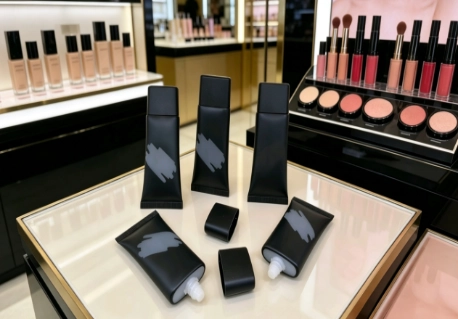
The best sustainable skincare packaging has to dispense the product well. It must work reliably every single time. A squeeze tube provides a lightweight choice. It is highly practical for creams, facial cleansers, and everyday lotions. Meanwhile, a pump squeeze tube gives users better control over the dose. However, this design adds extra parts. These parts need close attention when you check for recyclability. The ideal choice relies on a few key factors. These include formula thickness, the needed dose, hygiene rules, and what buyers actually prefer.
Packaging teams frequently look at various lip gloss tubes. They also ask about the standard lip balm tube volume ml. This usually happens when they map out a fresh product line. These common questions highlight a key rule. You need to pick the style and size based on your real product. Do not just rely on a basic "standard." For instance, a small opening works nicely for precise use. On the other hand, a larger hole usually does better. It handles heavy and thick mixtures quite well.
How Brands Can Turn Trends into a Packaging Brief
A clear project brief lets suppliers match up different choices with ease. It also assists your own staff. They can avoid rushed, last-minute changes. First, gather all the basic facts. Do this before you request test samples or buy wholesale cosmetic squeeze tubes. You must understand the formula and how users apply the product. You also need to define your target markets and main packaging goals. Once you finish that, you can look at full package samples. Make sure to test the whole unit together. Never judge a tube body or a cap totally by itself.
A highly practical brief can include the following details:
Formula type, exact viscosity, and any specific light or oxygen sensitivity
Target capacity and the preferred tube vs bottle format
Specific cap, nozzle, applicator, or pump requirements
Chosen material and exact PCR-content goals
Decoration style, color choices, and label requirements
Target consumer markets and any local recycling guidance
Filling, secure sealing, safe transport, and user testing needs
You might notice the phrase paint plastic tube manufacturers during your supplier searches. However, for beauty packaging, the essential questions are always the same. Can the supplier actually build the required structure? Can they properly document the materials? Will they fully support product testing? Hongyi Plastic proudly offers OEM and ODM development. We provide tube diameters ranging from 13 mm to 60 mm. We also offer capacity options that can be completely customized. Our 30 mm PE tube stands as one solid example of a PE format. Ultimately, the final suitability depends on the exact formula and the chosen design.
Conclusión
Sustainable beauty packaging is most effective when handled as a connected series of product decisions. It is never just a single, simple material swap. Right-sizing the container, using simpler structures, adding PCR content, creating refill systems, and picking suitable dispensing formats all help greatly. However, every single choice must work perfectly with the formula, the production line, the customer, and the local waste system. You must start with very clear packaging goals. Next, compare physical samples and verify all material claims before scaling up a large order. At Hongyi Plastic, we assist beauty brands in reviewing tube materials, capacities, closures, and decoration. We do this for various skincare and personal care applications. A thoroughly tested package can securely support a much better user experience. It also ensures a much more thoughtful, responsible packaging plan.
Preguntas frecuentes
Q: Is a PE cosmetic tube automatically recyclable?
A: No. The complete physical structure and the specific local collection system dictate whether it can actually be recycled.
Q: Can Hongyi Plastic discuss PCR cosmetic packaging?
A: Yes, absolutely. We can easily discuss PCR-containing tube materials and carefully review your exact project requirements.
Q: Should a brand choose a tube or pump for lotion?
A: You should carefully compare the formula thickness, specific dosage needs, and user preference. You must also evaluate the full package structure.