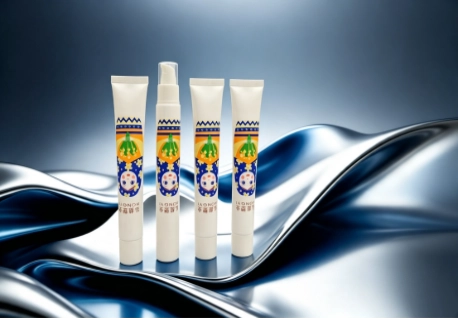
A plastic tube may appear simple at first glance. Yet its role extends well beyond simply holding a product. It protects the formula inside. It also controls each dose with precision. In addition, it supports clean application for the user. At the same time, it provides brands with a large printable surface. These combined benefits help explain why plastic tube packaging appears in bathrooms, pharmacies, beauty counters, art studios, workshops, and food-service settings.
The same basic package can serve very different markets effectively. Toothpaste tubes must support repeated daily use over time. Cosmetic squeeze tubes need to look attractive. They must also protect sensitive formulas from external factors. Pharmaceutical tube packaging calls for careful material selection. It further requires controlled dispensing for accuracy. Paint tubes, meanwhile, must hold thick and strongly colored contents. At the same time, they must remain easy to squeeze during use.
En plástico Hongyi, we develop PE plastic tubes for brands seeking practical structures, suitable closures, and custom decoration. Our experience shows that a successful tube is not simply a container. Instead, it forms an important part of the overall product experience.
Why Plastic Tube Packaging Works Across So Many Markets?
The value of plastic tube packaging comes from its careful balance of protection, convenience, and design freedom. A tube can stand upright on its cap. It can also fit easily inside a travel bag. In addition, it can dispense a small amount through a narrow nozzle when needed. Its flexible body helps users push the contents toward the opening. This process reduces the amount of product left behind after use.
Important benefits include the following points.
- Controlled dispensing: Different opening sizes can release a fine line. They can also deliver a small dose or a larger amount as required.
- Clean daily use: The remaining formula stays inside the tube. This prevents repeated exposure to fingers during application.
- Flexible sizing: Tube diameter and length can be matched to the required filling volume without difficulty.
- Wide decoration area: Offset printing, screen printing, hot stamping, labels, and surface coatings can carry brand information clearly.
- Portable construction: Plastic tubes are generally light in weight. They remain convenient for retail display, travel, and professional kits.
- Product-specific closures: Flip-top caps, screw caps, nozzles, pump heads, and other applicators support different formulas effectively.
These advantages appear clearly across the Hongyi Plastic Colección de productos de tubos de plástico. The collection includes multiple diameters, capacities, shapes, finishes, and dispensing structures.
From Oral Care to Industrial Products: Key Applications
Many industries use plastic tube packaging. However, each product creates its own technical challenge. Formula thickness, ingredients, filling method, expected shelf life, dispensing accuracy, and user habits all affect the final package. Buyers should therefore begin with the contents and the intended application method. Only then should they select a tube body or cap.
Toothpaste Tubes for Controlled Everyday Dispensing
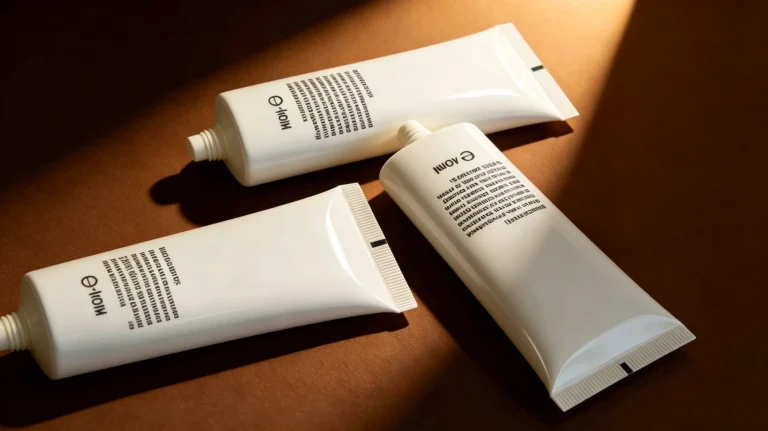
Toothpaste tubes must survive frequent squeezing. At the same time, they need to remain easy to open, clean, and store. A well-chosen opening gives users better control over the amount released. The cap should close firmly after each use. The tube body also needs enough flexibility for comfortable dispensing. Yet it must not feel weak in the hand.
Small toothpaste tubes can suit samples, children’s products, dental kits, hotels, and travel packs. Larger formats may work better for family use. Our 16-gauge small-diameter PE tube offers a 10–15 mL capacity. It is listed for applications including toothpaste, personal care products, and ointments.
For oral-care brands, important choices include these factors.
- Tube diameter and filling capacity.
- Nozzle size and dispensing control.
- Cap style and sealing method.
- Print clarity for ingredients and directions.
- Material compatibility with the toothpaste formula.
Cosmetic Squeeze Tubes That Combine Function and Shelf Appeal
Cosmetic squeeze tubes must perform two important jobs. First, they need to protect creams, cleansers, lotions, masks, and other formulas from harm. Second, they must express the product’s position through color, shape, texture, and print quality.
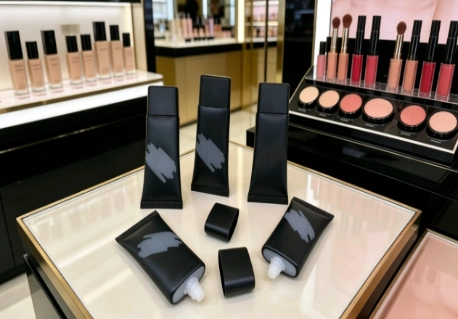
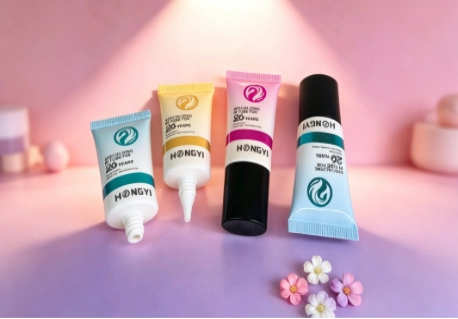
A matte surface can create a soft and refined appearance. Glossy finishes make colors look brighter. Hot stamping or selected varnish can draw attention to a logo. Oval and flat tubes may also give products a distinct shelf profile. Buyers can explore our skin care plastic tube range for examples. These cover smaller daily-care packs and high-capacity formats.
At Hongyi Plastic, our cosmetic squeeze tubes can be developed with different diameters, tube lengths, colors, closures, and decoration methods. Functional applicators provide another option. Our tubos de plástico funcionales include pump heads, brush heads, massage heads, silicone applicators, and other designs. These support targeted use in various situations.
Pharmaceutical Tube Packaging for Accurate, Hygienic Application
Ointments, gels, topical creams, and similar products often require more controlled application. This is especially true compared with general personal-care products. A narrow nozzle may help place the formula on a small area precisely. An appropriate closure protects the opening between uses.
Pharmaceutical tube packaging should be selected according to the actual formula. Appearance alone is not enough for this decision. Oils, alcohols, acids, active ingredients, and other components may interact differently with packaging materials. Barrier needs, light sensitivity, sealing performance, local rules, and filling conditions should all be reviewed before production begins.
For this reason, testing forms an important stage in tube development. A representative sample allows the brand and packaging supplier to check several points together.
- Formula and material compatibility.
- Leakage and closure performance.
- Dispensing force and dose control.
- Print resistance during handling.
- Stability under expected storage conditions.
The result is packaging that supports both the product and the person applying it.
Paint Tubes for Thick, Pigmented Formulas
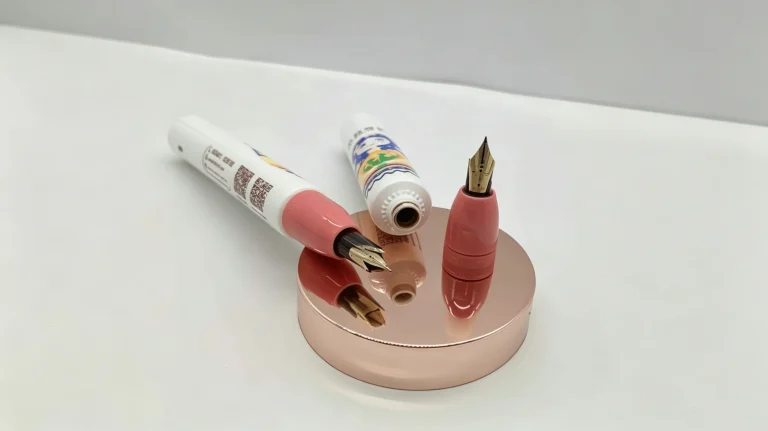
Paint tubes share several needs with toothpaste tubes and cosmetic squeeze tubes. Yet the contents can be more demanding in practice. Paint may be thick and heavily pigmented. It can also be sensitive to air exposure. The package needs to release the material steadily. At the same time, it must keep the opening as clean as practical.
A narrow nozzle can support detailed work effectively. A wider opening may suit larger-volume craft or repair products. The tube wall, shoulder, cap, and inner opening must be chosen around the paint’s viscosity and chemical composition. Strong pigments also make opacity and decoration important considerations for the final design.
PE plastic tubes may be suitable for certain water-based paints, craft colors, pigments, repair compounds, and related products. However, suitability cannot be assumed from the industry name alone. Brands should provide formula details and complete compatibility testing before placing a production order. This is especially important when solvents or corrosive ingredients are present.
Food and Household Products That Need Simple Portion Control
Plastic tube packaging can also serve sauces, honey, icing, concentrated seasonings, cleaning pastes, adhesives, and maintenance products. In these markets, easy handling and portion control often matter more than decorative complexity.
Food-contact applications require suitable materials. They also need relevant compliance documents for the target market. Household and technical products may require stronger resistance to oils, chemicals, or staining. A tube made for facial cream should not be used automatically for sauce or adhesive. This remains true even if the filling volume appears similar.
The correct approach is to match the tube structure to the product’s ingredients, flow characteristics, storage conditions, and method of use.
How to Select the Right Plastic Tube?
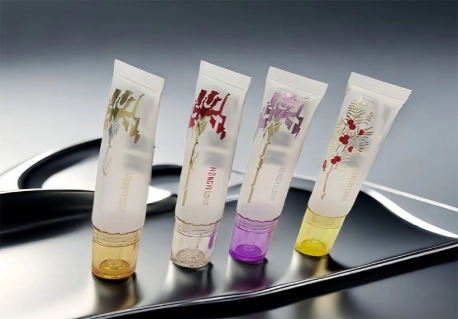
Choosing custom plastic tubes becomes easier when the project is broken into clear decisions. At Hongyi Plastic, we discuss the contents first. We then consider the required capacity, tube diameter, barrier level, closure, decoration, filling process, and sales market in sequence.
Nuestra plastic tube customization service covers diameters from 13 mm to 60 mm. It also includes adjustable lengths, round or oval bodies, single-layer PE, multi-layer structures, aluminum-plastic options, and materials containing PCR.
Before requesting a quotation, buyers should prepare the following information.
- Formula information: Identify oils, acids, alcohols, solvents, pigments, and other notable ingredients.
- Target filling amount: State the required volume or weight and acceptable package dimensions.
- Dispensing method: Decide whether users need a standard opening, pointed nozzle, flip cap, screw cap, pump, or applicator.
- Barrier needs: Consider oxygen, moisture, light, and chemical resistance.
- Artwork requirements: Specify colors, printing methods, finishes, and logo position.
- Target market: Share the destination country and any relevant packaging rules.
- Testing plan: Approve samples only after checking appearance, function, filling, and compatibility.
Why Brands Work with Hongyi Plastic?
We founded our tube packaging business in 2009. Since then, we have continued to develop our production, research, mold, and customization capabilities steadily. Our goal is to help brands turn a packaging idea into a tube. This tube can be produced consistently and used comfortably by end users.
Hongyi Plastic offers OEM and ODM support. We also provide sample development, mold development, packaging decoration, and mass production. Our normal minimum order begins at 10,000 sets. The final quantity, schedule, and price depend on the tube structure and production process.
Our support includes these services.
- Tube diameters from 13 mm to 60 mm.
- Adjustable capacity, color, length, and shape.
- Offset printing, screen printing, hot stamping, and labeling.
- Different caps, openings, shoulders, and tail seals.
- Sampling before mass production.
- Quality inspection and after-sales support.
- PCR packaging discussions for suitable projects.
Buyers can learn more about our manufacturing background on the Hongyi Plastic About Us page.
Conclusión
From toothpaste tubes used every morning to paint tubes opened in studios and workshops, plastic tube packaging answers a wide range of practical needs. It is light in weight. It is also squeezable, printable, portable, and adaptable to different dispensing methods. Yet versatility does not mean that one tube fits every formula. Material structure, barrier performance, opening size, cap style, decoration, and testing should all reflect the product inside.
At Hongyi Plastic, we develop custom plastic tubes by connecting these technical choices with the brand’s market goals. Our products cover oral care, cosmetics, pharmaceutical applications, personal care, and selected food or technical uses. With clear formula information and careful sampling, brands can create packaging that protects the contents. It also supports daily use and communicates value at first sight.
Preguntas frecuentes
Q: What capacities are available for plastic tube packaging?
A: From 0.003 L to 0.500 L, or roughly 0.003–0.500 kg depending on formula density.
Q: Can PE plastic tubes be used as paint tubes?
A: Yes, for compatible formulas after material, barrier, sealing, and storage tests.
Q: What is the minimum order for custom toothpaste tubes?
A: Orders usually start at 10,000 sets, depending on the structure and decoration.