غسل الوجه هو واحد من أكثر المنتجات روتينية في أي خط العناية بالبشرة، ومع ذلك غالبا ما يتم الحكم على عبوتها متأخرة جدا في تطوير المنتج. وهذا يخلق مشاكل يمكن تجنبها. يمكن أن يكون للمنظف صيغة سليمة وموقف سوقي واضح ، ولكن إذا تسرب الحزمة ، أو تبدو عادية على الرف ، أو تستخدم بشكل سيء ، أو تبطئ توقيت الإطلاق ، فإن المنتج يفقد قوته قبل أن تتاح الصيغة فرصة عادلة للأداء. لهذا السبب ، فإن أفضل تغليف غسيل الوجه في عام 2026 ليس أكثر التنسيق زينة. إنه الشكل الذي يوازن سهولة الاستخدام اليومية ، وعرض العلامة التجارية النظيفة ، والختم المستقر ، والتخصيص القابل للتوسع ، ودعم الإنتاج الموثوق به.
هذا هو المكان هونغي البلاستيك تدخل المناقشة بطريقة عملية. تأسست في عام 2009 ، وتركز الشركة على تغليف أنابيب مستحضرات التجميل وتخصيص OEM و ODM من محطة واحدة. القيمة الأوسع ليست فقط الإنتاج نفسه، ولكن أيضا القدرة على ربط تطوير الأنابيب، وتنسيق التصميم، والتصنيع في سير عمل التعبئة والتغليف واحد. في العديد من مشاريع غسل الوجه ، لا تزال الإجابة الأكثر فعالية تعود إلى تغليف أنابيب PE الناعمة المصممة بشكل جيد بدلاً من حاوية أكثر تعقيداً تضيف تكلفة دون إضافة قيمة مستخدم حقيقية.
لماذا تغليف غسيل الوجه يهم أكثر في عام 2026
العلامات التجارية الحديثة للعناية بالبشرة تحت ضغط من عدة اتجاهات في نفس الوقت. تحتاج المنتجات إلى أن تبدو متطورة في الصور الرقمية، وتشعر بالراحة في الاستخدام اليومي، وتنجم في الشحن دون نفايات، ودعم نظام العلامة التجارية بدلا من SKU واحد. تصميم تغليف غسيل الوجه يحمل الآن مسؤولية أكبر من الاحتواء البسيط. إنه يشكل الانطباع اللمسي الأول ، ويؤثر على الاستخدام المتكرر ، ويؤثر على ما إذا كان المنتج يشعر بأنه ممتاز أو عملي أو قابل للنسيان.
هذا ينطبق بشكل خاص على تغليف منظفات الوجه لأن المنتج يستخدم بشكل متكرر. الأنبوب الذي يوزع الكثير من المنتج ، أو يشعر بالحرج في اليد ، أو يصبح فوضويًا حول الغطاء يخلق الاحتكاك في روتين يومي. العيوب الصغيرة تصبح مرئية بسرعة كبيرة. على النقيض من ذلك ، يدعم تنسيق تغليف أنبوب غسيل الوجه المخطط له بشكل جيد الاستخدام المسيطر عليه والتخزين الأنظف والتعرف على الرف بشكل أوضح. بالنسبة للعلامات التجارية التي تبني خطًا حديثًا للعناية بالبشرة ، فإن هذا الاتساق مهمًا بقدر التصميم البصري نفسه.
ما الذي يجعل تنسيق التعبئة والتغليف الخيار الأفضل لغسل الوجه
عادة ما يتم تحديد أفضل عبوة غسيل الوجه من خلال خمسة اختبارات عملية. إذا أدت الحزمة بشكل جيد عبر هذه الاختبارات ، فمن المرجح أن تعمل لكل من فرق المنتج والمستخدمين النهائيين.
يجب أن تتوافق القدرة مع عادات المستهلك الحقيقية
بالنسبة لمنتجات التنظيف اليومية ، يبقى 100 مل من أكثر الأحجام فائدة. فهي كبيرة بما فيه الكفاية للاستخدام المنزلي المنتظم ، ولكن لا تزال قابلة للتحكم في السفر ، أو حقائب الصالة الرياضية ، أو تخزين الحمام المدمج. كما يعطي العلامات التجارية شكلًا تجاريًا مألوفًا يعمل عبر المشاريع الممتازة والمتوسطة المدى والمشاريع الخاصة.
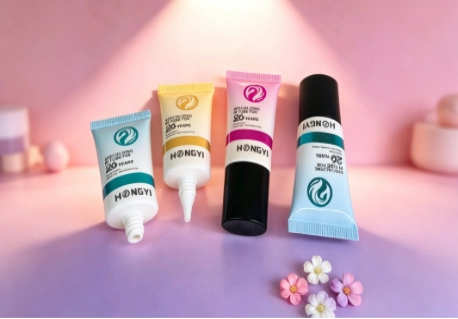
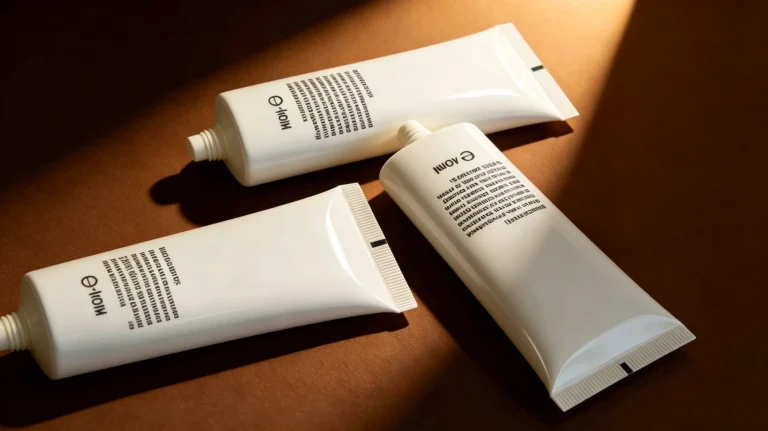
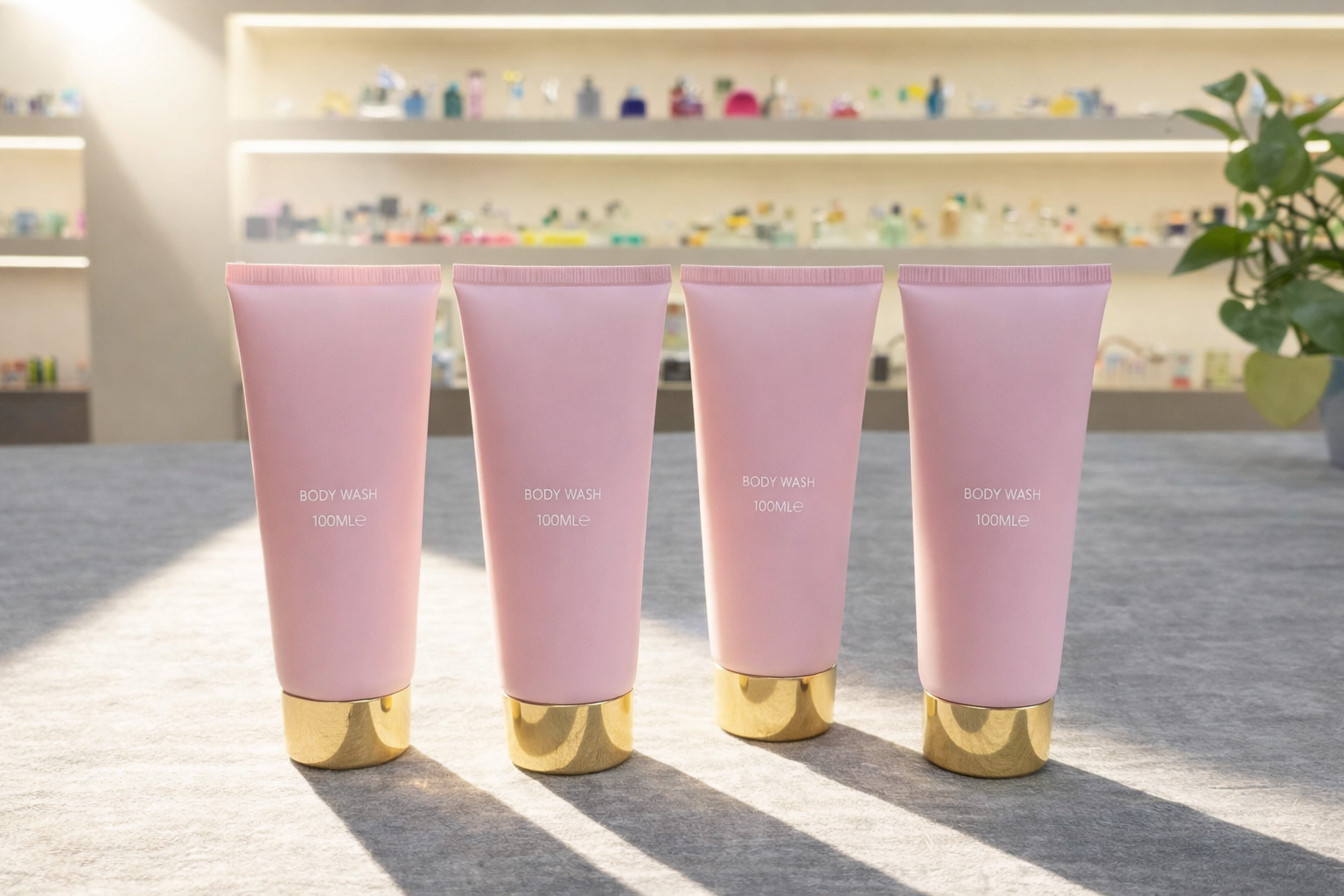
في محفظتنا الخاصة، فإن 100ml ماتي ضوء الوردي / الأرجواني أنيق محايد 40mm هوية PE ناعمة أنبوب عبوة الحاوية بنيت حول هذا المنطق. سعته 100 مل ، قطر الأنبوب 40 مم ، مادة PE ، وكمية طلب أدنى من 10،000 قطعة تجعلها تنسيق عملي لإطلاق غسيل الوجه القياسي بدلا من مفهوم تجريبي لمرة واحدة.
يجب أن يشعر التوزيع بالسيطرة والنظافة
تغليف غسيل الوجه يحتاج إلى دعم الاستخدام المتكرر دون الإحباط. يجب أن يكون الأنبوب الجيد ناعمًا بما يكفي للضغط بسهولة ، ولكن ليس ضعيفًا لدرجة أن ينهار الجسم أو يشعر أنه رخيص بعد عدة استخدامات. كما يجب أن يساعد على التحكم في الإنتاج. تختلف نسيجات المنظفات من هلام خفيف إلى كريم كثيف ، لذلك يجب على الحزمة العمل مع هذه المجموعة بدلاً من مكافحتها.
يساعد منفذ 6 مم على الحفاظ على توزيع أكثر نظافة وأسهل التحكم في الاستخدام اليومي. كما يتم تشكيل جسم الأنبوب للحفاظ على مزيج متوازن من المرونة والاستقرار. هذا التوازن مهم في تغليف أنبوب الضغط للعناية بالبشرة لأنه يؤثر على كل من التحكم في الجرعة وكيف تبدو الحزمة بعد الاستخدام الجزئي.
الختم يجب أن يحمي كل من المنتج والروتين
مقاومة التسرب هي متطلب أساسي، ولكن لغسل الوجه هو أيضا جزء من مصداقية العلامة التجارية. يتم استخدام عبوات تنظيف الوجه حول المغسلات ، في الحمامات ، وأثناء السفر. حزمة تسمح لتجميع البقايا حول الإغلاق أو التسريبات في كيس مستحضرات التنظيف تخلق انطباع سيء للمستخدم بسرعة كبيرة.
يدعم هيكل غطاء المسمار استقرار الختم ، وهو أمر مهم للسيطرة على التسرب أثناء التخزين والشحن والاستخدام المتكرر. الختم القوي ومقاومة الاصطدام وتناسب الغطاء المستقر ليست ميزات ديكورية. إنهم يجيبون مباشرة على واحدة من الشكاوى الأكثر شيوعا في تصميم تغليف غسيل الوجه: حاوية تبدو مكررة في صورة بطل لكنها تفشل في الاستخدام اليومي المتكرر.
يجب أن يأتي استئناف الرف من ضبط النفس ، وليس الفوضى
حزمة غسيل الوجه الحديثة لا تحتاج إلى رسومات ثقيلة لتتبرز. في العديد من قطاعات العناية بالبشرة الحالية ، يؤدي ضبط النفس البصري بشكل أفضل من الزيادة البصرية. الطباعة النظيفة ونسيج السطح والنسبة ونغمة اللون غالبا ما تفعل أكثر لذاكرة العلامة التجارية من الديكور الإضافي.
يستخدم هذا الأنبوب جسمًا وردي أرجوانيًا مع نص أبيض على الجبهة ونص رمادي على الخلف. وتشمل مجموعة التخصيص الأوسع أيضًا خيارات مثل الطباعة الشاشة والطباعة الأوفست والختم الساخن والوسم وغيرها من العمليات السطحية ، مما يعطي غرفة العلامة التجارية لبناء لغة التعبئة والتغليف التي تشعر بأنها ممتازة دون أن تصبح ضوضاء بصريًا. يمكن أن تساعد التأثيرات الماتية على وجه الخصوص مشروع تغليف أنابيب غسيل الوجه على الابتعاد عن مظهر السوق الجماعية نحو إشارة علامة تجارية أكثر دقة.
يجب أن تدعم التخصيص أنظمة العلامة التجارية ، وليس فقط عناصر فردية
أفضل تنسيق التعبئة والتغليف لغسل الوجه نادرا ما يكون هو الذي يعمل لأنبوب مخزون واحد. هو الذي يمكن أن يدعم امتدادات الخط المستقبلية ، وتغييرات الأعمال الفنية ، واختيارات الغطاء ، واختلافات الصيغة دون إجبار إعادة تصميم كاملة في كل مرة.
نحن ندعم التخصيص عبر قطر الأنبوب والقدرة واللون والعملية. تغطي مجموعة الأنابيب قطراً من 13 مم إلى 60 مم وتدعم الطباعة الأوفست وطباعة الشاشة الحريرية والختم الساخن والوسم. بالنسبة لعلامة تجارية للعناية بالبشرة لا تبني نظافة واحدة فقط بل خطًا أوسعًا ، فإن هذه المجموعة مهمة لأنها تدعم استمرارية التعبئة والتغليف عبر وحدات SKU متعددة.
لماذا تبقى تغليف الأنابيب الناعمة PE إجابة قوية
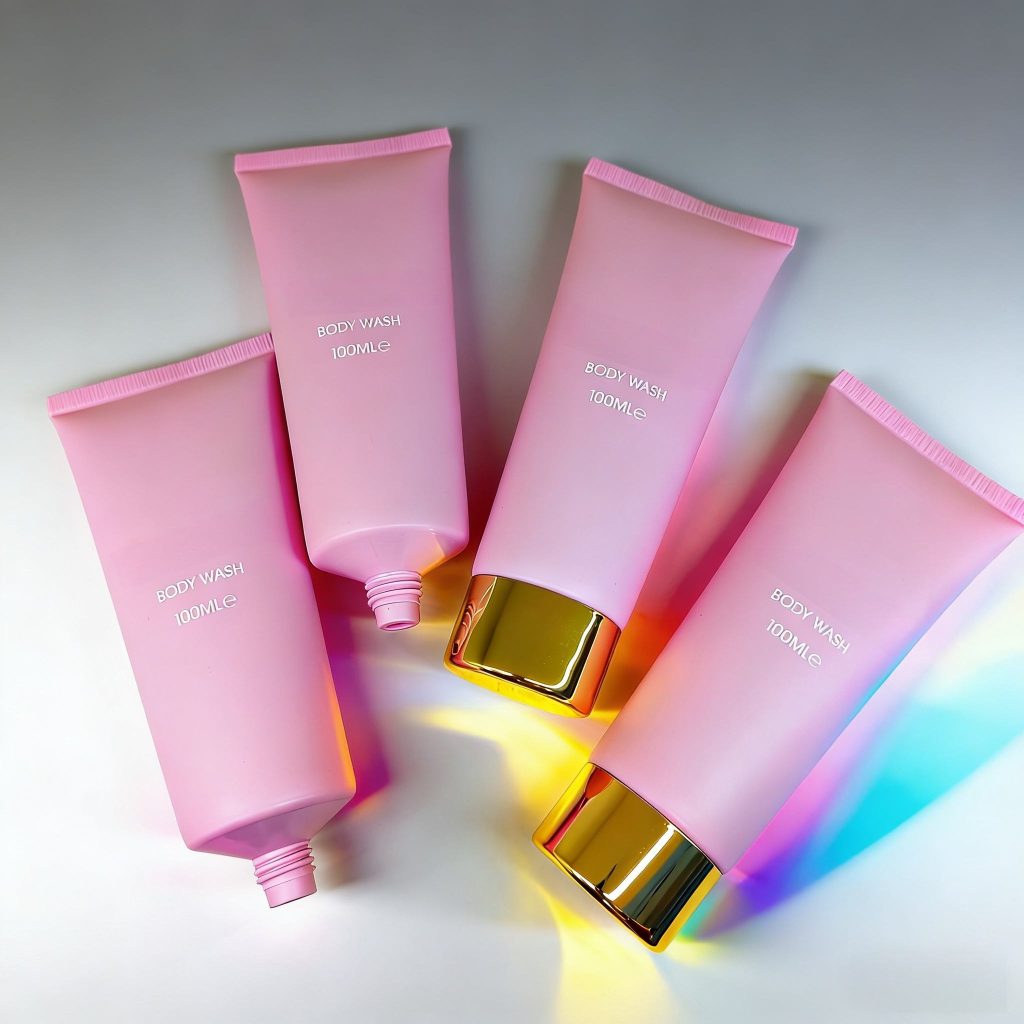
تغليف الأنابيب الناعمة PE لا تزال تعمل بشكل جيد لغسل الوجه لأنها تحل العديد من المشاكل في وقت واحد. إنها أخف من التعبئة الصلبة ، وأسهل الضغط من حاويات الجدران السميكة ، وأقل هشاشة من الزجاج ، وأكثر عملية لاستخدام السفر والحمام. هذا لا يعني أن كل أنبوب PE متساوي. الهيكل، التشطيب، اختيار الغطاء، وجودة الطباعة لا تزال تشكل فرقا كبيرا. ولكن كشكل ، يظل أنبوب PE الناعم واحد من الحلول الأكثر توازناً تجارياً للعلامات التجارية للمنظفات.
لا تزال مواد PE خيارًا عمليًا لتغليف أنابيب غسيل الوجه لأنها تجمع بين المرونة والمتانة وكفاءة الإنتاج. ويتعامل هذا الهيكل أيضًا مع الضغط المتكرر بشكل جيد ويتناسب مع مجموعة واسعة من نسيج الكريم والهلام المستخدم في منتجات التنظيف. بالنسبة لمنتج غسل الوجه ، فهذه سمات مفيدة لأنها تدعم التعامل اليومي بدلاً من مجرد عرض جذاب.
وهناك أيضا سبب استراتيجي. تعطي تغليف أنبوب PE العلامات التجارية جسرًا أفضل بين الجمال والعمليات. من الأسهل القياس ، وأسهل الشحن ، وأسهل التكيف من خلال الطباعة المخصصة أو تعديلات الغطاء من مفاهيم التعبئة والتغليف الأكثر صلابة. وهذا يجعله خيارًا أكثر أمانًا للعلامات التجارية التي تريد تغليف غسيل الوجه الحديث دون إجبار التعقيد على الإنتاج.
كيف يتناسب هذا الأنبوب 100ml 40mm مع احتياجات تغليف غسيل الوجه الحديثة
أنبوب غسل الوجه 100 مل يعمل بشكل جيد لأنه يجلس في نطاق متوسط مستقر. لا يشعر صغيرا جدا للاستخدام المنزلي العادي، لكنه لا يزال مدمجة بما فيه الكفاية للبقاء مريحة. ويعطي قطر 40 مم أيضًا الحزمة صورة أكثر توازناً، مما يساعد عندما يكون الهدف تصميم ملصق أنظف وصورة رفية أقوى مواجهة للأمام.
النهاية ماتي مهمة أيضا. في تصميم تغليف غسيل الوجه ، تميل الأسطح الساطعة إلى التواصل مع المزيد من التحكم والرعاية أكثر من الأسطح اللامعة عندما يكون موقف العلامة التجارية الحد الأدنى أو المهنية أو المحايدة بين الجنسين. وهذا مهم بالنسبة للعلامات التجارية للعناية بالبشرة التي لا تريد أن تبدو الحزمة سريرية جدا، ولكن أيضا لا تريد أن تشعر بالزينة بطريقة تضعف الثقة.
يدعم الأنبوب أيضًا الطباعة المخصصة والتطوير البصري المرن ، مما يعطي العلامات التجارية للعناية بالبشرة حرية أكبر في التخطيط والتشطيب والموقع. بالنسبة للعديد من مشاريع تغليف غسيل الوجه الخاصة والمصنع الأصلي ، فإن هذا هو إجابة تجارية أقوى من إنشاء حاوية فريدة من نوعها تمامًا مع ضغط أدوات أعلى ومخاطر إمدادات أكبر.
ما يجب أن تتوقع العلامات التجارية من مصنع التعبئة والتغليف البلاستيكي المحترف
اختيار أفضل عبوة غسيل الوجه هو نصف القرار فقط. النصف الآخر يختار مصنع التعبئة والتغليف البلاستيكية المهنية يمكن أن تنتقل من المفهوم إلى التسليم دون الارتباك.
القدرة الإنمائية يجب أن تكون مرئية
يجب أن يكون المورد قادرا على دعم تطوير القالب وتصميم التعبئة والتغليف وعمل العينات ، وليس فقط الإنتاج النهائي. نحن ندعم تطوير OEM و ODM ، بما في ذلك تخصيص العلامة التجارية ، وعمل القالب ، وتطوير العينات ، وتصميم التعبئة والتغليف ، وتنسيق الإنتاج بالجملة. يساعد هذا النوع من الهيكل على تقليل التأخير في وقت مبكر من المشروع ، خاصة عندما لا يزال المشتري يوازن الأعمال الفنية وملء الخطط وتوقيت الإطلاق.
يجب أن تكون القدرة الإنتاجية والجودة مستقرة
المورد الجيد يحتاج أيضًا إلى انضباط تصنيعي حقيقي. يتضمن نظام الإنتاج لدينا إدارة الجودة المعتمدة والمعدات الآلية والقدرة المستقرة على تكرار الطلبات. ويشمل إعداد المصنع شهادة ISO9001 و ISO45001 ، وورشة عمل GMPC ذات درجة 100،000 ، وخطيطين تجميعيين ، و35 آلة ، والقدرة الشهرية التي يمكن أن تصل إلى 6 ملايين وحدة. وهذا مهم لأن تغليف غسيل الوجه غالبا ما يكون عملية تكرار الطلب بدلا من قرار شراء لمرة واحدة.
لا ينبغي تجاهل الخدمة بعد الإنتاج
مشكلات التعبئة والتغليف لا تظهر دائما في اليوم الأول. قد تظهر أثناء التعبئة أو التخزين أو النقل أو ردود الفعل في السوق. هذا هو السبب في أن دعم ما بعد البيع لا يزال مهمًا في التعبئة والتغليف B2B.
كما تمتد الخدمة إلى ما وراء الشحن. ويشمل نظام الدعم ضمان الجودة والتنسيق اللوجستي والمتابعة بعد التسليم. بالنسبة للعلامات التجارية للعناية بالبشرة ، فإن هذا النوع من الاستمرارية أكثر فائدة من بيع المعاملات بحتة لأنه يساعد على تقليل مخاطر التعبئة والتغليف على المدى الطويل ، وليس مجرد جهود الشراء على المدى القصير.
لماذا الخدمة مهمة بقدر الحزمة نفسها
أفضل تغليف غسيل الوجه ليس فقط أنبوب. إنها عملية التعبئة والتغليف التي تقلل من الأخطاء من طلب قصير إلى طلب كبير. تحتاج العلامات التجارية إلى المساعدة في اختيار المواد وجدوى الطباعة وتأكيد العينات وتوقيت الطلب والتنسيق عبر معالم الإطلاق. إذا كانت الخدمة ضعيفة ، حتى أنبوب جيد يمكن أن يصبح مشروع متأخر أو غير متسق.
لهذا السبب يجب أن تكون الخدمة جزءا من تقييم التعبئة والتغليف من البداية. يجب أن يكون مورد تغليف أنابيب مستحضرات التجميل قادرًا على مناقشة حجم الأنابيب وطريقة الديكور ونوع الختم وتناسب الغطاء ودورة الإنتاج والشروط التجارية بطريقة تساعد المشتري على اتخاذ قرارات أسرع. يجب أن تربط الخدمة أيضًا التطوير ومتابعة الإنتاج والتخزين واللوجستيات ودعم ما بعد البيع في مسار قابل للتطبيق واحد بدلًا من ترك المشتري لإدارة كل خطوة لوحده.
بالنسبة للعلامات التجارية التي تخطط لإطلاق منظف أو تكرير SKU الموجودة ، فإن أقوى طريق غالباً ما يكون أبسطه: اختر تنسيق تغليف أنبوب غسيل الوجه الذي يؤدي بشكل جيد في الاستخدام اليومي ، ويمكن تخصيصه دون نفايات ، ويمكن إنتاجه من خلال نظام مستقر. إذا كان هذا هو الهدف الحالي، فإننا ندعوكم إلى اتصل بنا ومواصلة المحادثة حول تناسب، الانتهاء، الجدول الزمني، ونطاق الخدمة.
أسئلة متكررة
سسما هو شكل التعبئة والتغليف الأفضل عادة لمنتجات غسل الوجه في عام 2026؟
ج: بالنسبة للعديد من العلامات التجارية للعناية بالبشرة ، تبقى تغليف أنبوب PE الناعم خيارًا رائعًا. ويرجع ذلك إلى كيفية إدارة التوزيع المسيطر عليه ، ومقاومة التسرب ، وعملية النقل ، وتخصيص العلامة التجارية. في نفس الوقت ، فإنه يحافظ على إعداد التعبئة والتغليف الكلي بسهولة.
سسلماذا 100 مل حجم شائع لغسيل الوجه التعبئة والتغليف؟
ج: حجم 100 مل يوفر حجما كافيا للروتين اليومي. ومع ذلك ، فإنه يبقى مفيدًا للرحلات والتخزين البسيط. بالإضافة إلى ذلك ، فإنه يتوافق بشكل جيد مع أساليب مبيعات العناية بالبشرة القياسية واستراتيجيات مجموعة المنتجات.
سسما الذي يجب أن تسأله العلامات التجارية من مورد التعبئة والتغليف قبل تقديم الطلب؟
ج: غالبا ما تغطي الاستفسارات الرئيسية اختيار المواد ، قطر الأنبوب ، التحكم في توزيع ، طريقة الطباعة ، توقيت العينة ، وقت التسليم ، الحد الأدنى من كمية الطلب ، ودعم ما بعد البيع. تظهر هذه التفاصيل ما إذا كان المورد يستطيع التعامل مع رحلة التعبئة والتغليف الكاملة. إنهم يفعلون أكثر من مجرد تنفيذ الخطوة الأخيرة.