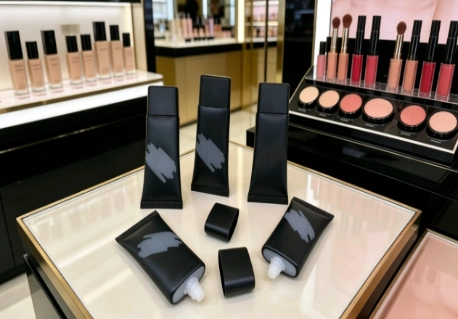
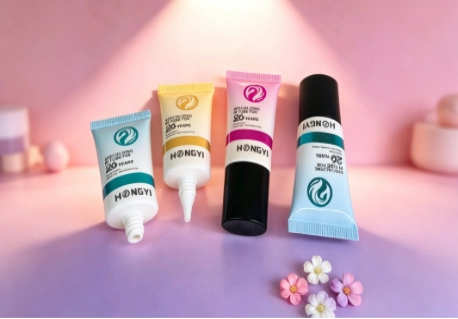
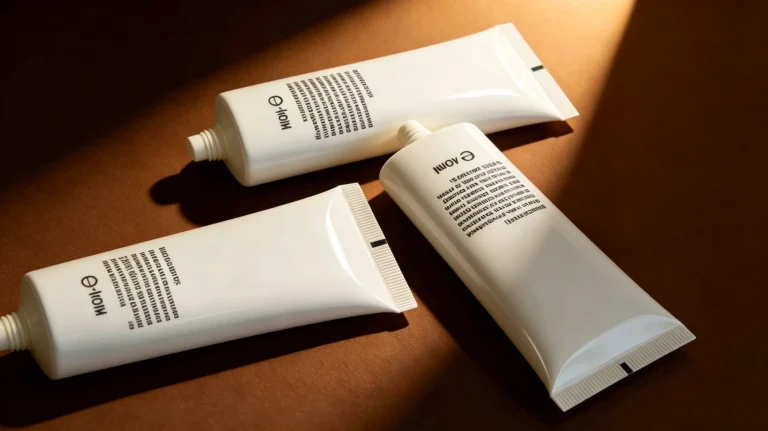
لم تعد أنابيب ملمع الشفاه مجرد عبوات ناعمة لحفظ التركيبة. ففي عام 2026، تحتاج علامات التجميل التجارية إلى عبوات تدعم الاستخدام المتحكم فيه، والاستخدام النظيف، والأحجام المحمولة، وهوية المنتج القوية. للعناية بالشفاه، والحواجب، والعينين، والأظافر، ومناطق البشرة الصغيرة، قد يكون أنبوب الضغط المزود بفرشاة أكثر عملية من الأنبوب العادي لأنه يجمع بين التوزيع المتحكم فيه والتطبيق المباشر.
لا يعني هذا أن كل منتج من منتجات ملمع الشفاه الأنبوبي يحتاج إلى فرشاة. يعتمد الاختيار الأمثل على قوام المنتج، وحجمه، والاستخدام المستهدف، ومكانة العلامة التجارية. مع ذلك، تزداد أهمية عبوات ملمع الشفاه الأنبوبية المزودة بفرشاة لأنها تلبي حاجة حقيقية للمستخدم: وضع كمية صغيرة من المنتج بدقة دون الحاجة إلى أدوات إضافية.
هونغي يُستخدم هذا الدليل مع عبوات مستحضرات التجميل الأنبوبية لعلامات تجارية متخصصة في منتجات التجميل والعناية بالبشرة والعناية الشخصية. ويشرح كيفية تقييم العلامات التجارية لمدى ملاءمة عبوات مستحضرات التجميل الأنبوبية ذات رؤوس الفرشاة لخطط منتجاتها.
لماذا تتغير أنابيب ملمع الشفاه القابلة للضغط في عام 2026؟
أصبحت عبوات مستحضرات التجميل أكثر عملية. لا يزال المستهلكون يهتمون باللون واللمسة النهائية والشكل، لكنهم يهتمون أيضاً بسهولة استخدام المنتج وحمله وتنظيفه واستخدامه في الروتين اليومي. قد يبدو ملمع الشفاه الأنبوبي جذاباً على الإنترنت، ولكن إذا كانت فتحته كبيرة جداً أو احتاج المستخدمون إلى فرشاة منفصلة، فقد تبدو التجربة أقل أناقة.
يرغب مشتري منتجات التجميل في تحكم أفضل
يُعدّ التجميل الدقيق أحد متطلبات التغليف أيضاً. فزيوت الشفاه، وسيروم الشفاه، وجل الحواجب، ومخفيات البقع، وزيوت الأظافر، ومنتجات العناية بالبشرة المتخصصة، غالباً ما تحتاج إلى جرعة صغيرة ومضبوطة. قد تكون أنابيب ضغط ملمع الشفاه العادية مناسبة للمنتجات البسيطة، لكنها قد لا توفر تحكماً كافياً للحواف الدقيقة أو المناطق الصغيرة.
تساعد عبوة رأس الفرشاة على توجيه التركيبة إلى منطقة التطبيق. يسمح الأنبوب المرن بتوزيع لطيف، بينما تقوم الفرشاة بتوزيع المنتج بطريقة متحكم بها.
الأحجام الأصغر تحتاج إلى تغليف أكثر ذكاءً
لا تزال المنتجات ذات الأحجام التجريبية، وأحجام السفر، ومجموعات الهدايا، والإصدارات المحدودة، تحظى بأهمية كبيرة في عام 2026. تسمح أنابيب مستحضرات التجميل الصغيرة للعلامات التجارية بإطلاق منتجات بأحجام مرنة دون الحاجة إلى إلزام المستهلكين بشراء الحجم الكبير أولاً. مع ذلك، فإن العبوات الصغيرة تقلل من احتمالية الخطأ، فإذا لم يكن التطبيق مناسبًا، قد يظل استخدام المنتج غير مريح.
ما الذي يميز أنابيب الضغط ذات رأس الفرشاة؟
يُغيّر أنبوب الضغط ذو رأس الفرشاة تدفق المنتج. فبدلاً من ضغط التركيبة على الإصبع أو لوحة الألوان أو أداة تطبيق منفصلة، يُمكن للمستخدم توزيعها وتطبيقها بحركة واحدة. يتحكم جسم أنبوب الضغط في كمية المنتج، بينما يُسهّل رأس الفرشاة عملية التوزيع والمزج. معًا، يُوفران تجربة استخدام أكثر سلاسة لملمّع الشفاه، وسيروم الشفاه، وجل الحواجب، وكحل العيون السائل، وكونسيلر البقع، وكريم العين، وزيت تغذية الأظافر.
تُعدّ النظافة عاملاً مهماً في تغليف مستحضرات التجميل، لا سيما المنتجات المستخدمة بالقرب من العينين أو الشفاه. صحيح أن أنبوب رأس الفرشاة لا يضمن خلو المنتج تماماً من التلوث، إلا أنه يُسهم في استخدام أنظف عند تغطية أداة التطبيق بالغطاء. كما يُمكن للغطاء الشفاف حماية الفرشاة من الغبار أثناء التخزين.
متى تكون أنابيب ملمع الشفاه ذات رأس الفرشاة هي الأنسب؟
تُعدّ أنابيب رأس الفرشاة الخيار الأمثل عندما تتطلب التركيبة تطبيقًا دقيقًا، أو جرعة أقل، أو تجربة استخدام أكثر سلاسة. قبل اختيار هذا النوع من الأنابيب، ينبغي على الشركات المصنعة مراعاة تركيبة المنتج، ومكان الاستخدام، وسلوك المستخدم.
أفضل لتطبيقات التجميل الموجهة
تُعدّ أنابيب ملمع الشفاه ذات رأس الفرشاة مثالية للمنتجات التي تتطلب ملامسة مباشرة لمناطق صغيرة. ويمكن استخدام هذا النوع من العبوات مع ملمع الشفاه، وسيروم الشفاه، وبرايمر الرموش، وجل الحواجب، وكونسيلر البقع، وكريم العين، وزيت الأظافر، ومستحضرات العناية بالبشرة الموضعية.
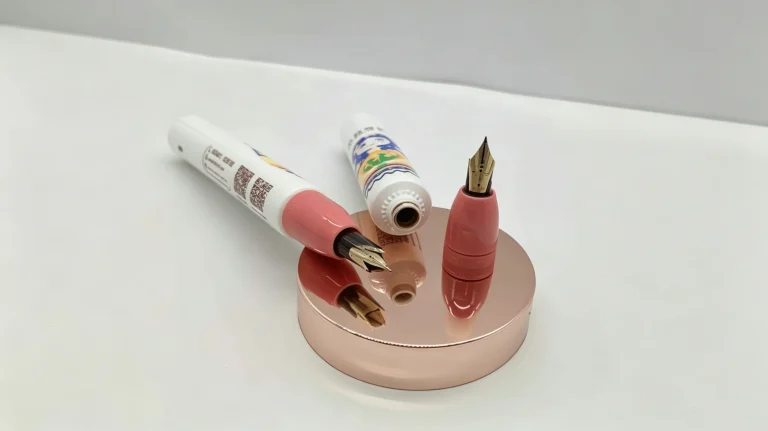
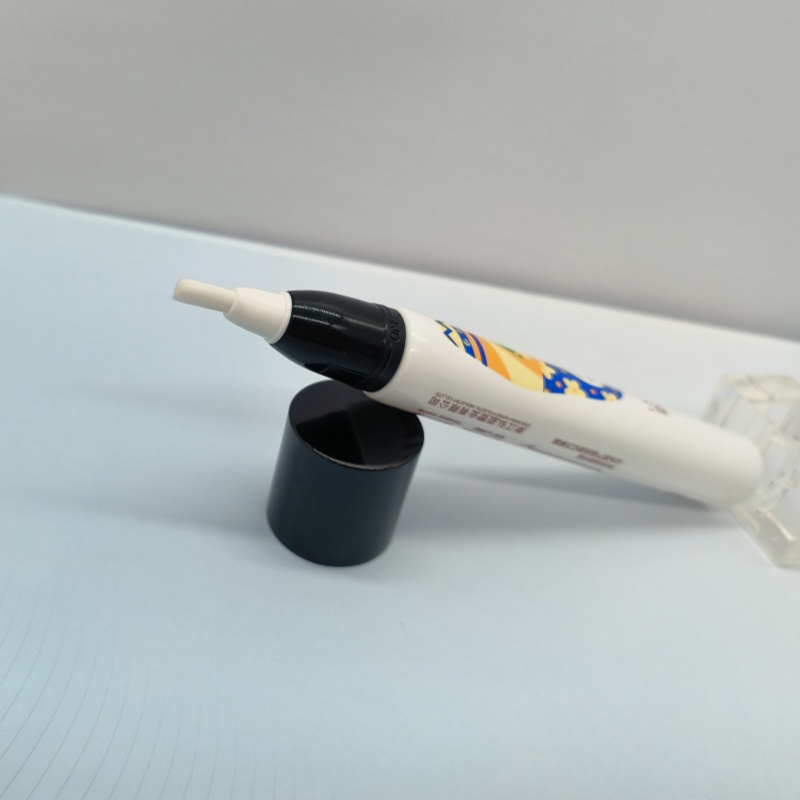
إن 19 تصميم رأس الفرشاة زجاجة أنبوب بلاستيكية يُعدّ هذا المنتج مثالاً مناسباً. صُمّم للاستخدامات التجميلية والعناية بالبشرة، مثل طلاء الأظافر، وسائل تبييض الأسنان، كريم الأساس، خافي العيوب، البرايمر، وملمع الشفاه. تشمل مواصفاته مادة البولي إيثيلين والبولي بروبيلين، وقطر أنبوب 19 مم، وطول خرطوم 97 مم، وسعة تتراوح من 3 غ/3 مل إلى 15 غ/15 مل، وقطر فتحة أنبوب 5 مم، ووزن خرطوم حوالي 2.5 غ.
يستخدم هذا المنتج هيكلاً ثلاثي الأجزاء يتكون من خرطوم ورأس فرشاة وغطاء شفاف. يخزن الخرطوم التركيبة، وتقوم الفرشاة بتوزيعها، ويحمي الغطاء أداة التوزيع.
أقل ملاءمة للتركيبات السميكة أو سريعة التوزيع.
قد لا تكون أنابيب الضغط التجميلية ذات رأس الفرشاة الخيار الأمثل لجميع التركيبات. فإذا كانت التركيبة سميكة جدًا، أو تحتوي على جزيئات كبيرة، أو تتطلب توزيعًا سريعًا وكثيفًا، فقد يكون استخدام أنبوب ذي فتحة أوسع، أو رأس مضخة، أو أنبوب مرن قياسي أكثر عملية.
ليس بالضرورة أن يكون الأنبوب الأكثر جاذبية هو الأنسب. يجب أن يتناسب اختيار العبوة مع لزوجة المنتج، والجرعة المستهدفة، وعملية التعبئة، وروتين المستخدم. بالنسبة للمنتجات ذات المساحة الكبيرة، قد توفر أنابيب الضغط التجميلية العادية تجربة استخدام أسهل.
كيف ينبغي لعلامات التجميل التجارية اختيار عبوات أنابيب ضغط ملمع الشفاه
عند اختيار عبوات أنابيب ملمع الشفاه، يجب البدء بالوظيفة ثم الانتقال إلى المظهر. ينبغي على العلامات التجارية مراجعة المواد، والقطر، والسعة، ونعومة أداة التطبيق، وحماية الغطاء، والطباعة، والحد الأدنى للطلب، وتوقيت العينات.
يؤثر اختيار المادة على المرونة، وسهولة الضغط، والإحكام، وتوافق التركيبة. يُستخدم البولي إيثيلين غالبًا في أنابيب مستحضرات التجميل القابلة للضغط نظرًا لمرونته وقدرته على دعم عبوات مستحضرات التجميل للاستخدام اليومي. أما بالنسبة لأنابيب رؤوس الفرشاة، فإن مواد أداة التطبيق والغطاء مهمة أيضًا لأنها تؤثر على الملمس والمظهر وحماية المنتج أثناء التخزين.
يستخدم أنبوب رأس الفرشاة بقطر 19 مم مزيجًا من البولي إيثيلين والبولي بروبيلين في مكوناته. كما تتضمن معلومات المنتج التفصيلية جسم الأنبوب المصنوع من طبقة واحدة من البولي إيثيلين الناعم، ورأس فرشاة من النايلون الأبيض، وغطاءً شفافًا من البولي بروبيلين أو البوليسترين. بالنسبة لأنابيب ملمع الشفاه المصممة حسب الطلب، يُنصح المشترون باختبار انسيابية التركيبة وسهولة توزيعها بالفرشاة.
ينبغي أن تتناسب سعة العبوة مع وظيفة المنتج. قد يحتاج ملمع الشفاه بالحجم الكامل إلى عبوة أكبر، بينما يناسب سيروم الشفاه وكريم العين وخافي العيوب وزيت الأظافر عبوات أصغر. تتراوح سعة أنبوب رأس الفرشاة بقطر 19 مم بين 3 غ/3 مل و15 غ/15 مل، وهي مناسبة للعينات وأحجام السفر ومجموعات الهدايا ومنتجات العناية الشخصية.
لا ينبغي تأجيل تزيين العبوة إلى النهاية. فالطباعة والتشطيب ولون الغطاء ولون جسم الأنبوب وشكله كلها تؤثر على هوية المنتج على الرف. هونغي التخصيص تشمل الخيارات تخصيص جسم الأنبوب، وتخصيص الرأس والكتفين، وتزيين السطح، وتخصيص الذيل والتغليف. وتشمل الخيارات المتاحة: طبقة واحدة من البولي إيثيلين، وطبقات متعددة من البولي إيثيلين المُشكّل بالبثق المشترك، وأنابيب مركبة من الألومنيوم والبلاستيك، وأنابيب مصنوعة بالكامل من الألومنيوم، ومادة PLA قابلة للتحلل، ومادة معاد تدويرها من PCR، وتخصيص قطر الأنبوب من 13 مم إلى 60 مم، والطباعة بالشاشة الحريرية، والطباعة الأوفست، والورنيش غير اللامع، والنقش البارز، والنقش الغائر، والورنيش بالأشعة فوق البنفسجية.
هل يمكن لأنابيب رؤوس الفرشاة أن تساعد في تمييز العلامة التجارية؟
تُساعد العبوات العملية على تمييز المنتج، إذ تُتيح للمشترين فرصة الانتباه إلى تصميم العبوة، وليس لونها فقط. ففي سوق منتجات العناية بالشفاه أو العيون المزدحم، يُمكن أن يُضفي استخدام فرشاة على المنتج إحساسًا بالدقة والفعالية.
يُعدّ هذا الأمر بالغ الأهمية للعلامات التجارية التي ترغب في إنشاء مجموعة منتجات واضحة. إذ يمكن لسلسلة من أنابيب مستحضرات التجميل القابلة للضغط ذات أنواع الرؤوس المختلفة أن تُظهر منطق المنتج: رؤوس الضخ للتحكم في التوزيع، ورؤوس التدليك الكروية لتطبيق منتجات العناية بالبشرة، ورؤوس الإسفنج الناعمة للمكياج الموضعي، ورؤوس الفرشاة للاستخدام الدقيق.
يجب أن تتوافق أداة التطبيق الجيدة مع مزايا المنتج. فإذا كان المنتج مصمماً للاستخدام الدقيق، يجب أن تدعم العبوة هذه الدقة. وإذا كان المنتج مخصصاً لمنطقة العين أو الشفاه، فيجب أن تكون أداة التطبيق سهلة الاستخدام ولطيفة على البشرة. كما تُسهم عبوات مستحضرات التجميل المصممة خصيصاً في تعزيز الذاكرة البصرية في مجموعات العطلات، ومتاجر التجزئة في المطارات، والتعاونات التجارية، وحملات العينات.
تشمل مجموعة منتجات هونغي أنابيب بلاستيكية للعناية بالبشرة، وأنابيب بلاستيكية وظيفية، وأنابيب بلاستيكية للمكياج. ويمكن للعلامات التجارية أيضًا مراجعة المزيد. منتجات التجميل الأنبوبية عند مقارنة الهياكل عبر تطبيقات التجميل المختلفة.
ما يجب التحقق منه قبل طلب أنابيب ضغط مستحضرات التجميل ذات رؤوس الفرشاة
قبل اعتماد أنبوب فرشاة الأسنان، ينبغي على الشركات المصنعة اختبار العبوة كنظام متكامل. يجب أن تعمل الأنبوبة، والتركيبة، والفرشاة، والغطاء، والطباعة، وعمليات التعبئة معًا بتناغم.
ينبغي أن تتضمن قائمة التحقق العملية لزوجة التركيبة، وحجم التعبئة، وقطر الأنبوب، وقطر الفتحة، ونعومة الفرشاة، وحماية الغطاء، ومقاومة التسرب، وطريقة الطباعة، ومتانة الزخرفة، والحد الأدنى لكمية الطلب، وتوقيت العينة، ووقت التسليم، واختبار التوافق.
ينبغي على المشترين أيضاً مقارنة عدة أنواع من العبوات. قد يكون تصميم رأس الفرشاة مثالياً لغسول الشفاه الفاخر، لكن رأس المضخة أو الأنبوب المضغوط القياسي قد يكون أنسب لغسول الوجه أو اللوشن أو منتجات العناية بالبشرة ذات الحجم الكبير.
استنتاج
لا تُعتبر أنابيب ملمع الشفاه ذات رأس الفرشاة أفضل تلقائيًا من الأنابيب العادية، ولكنها قد تكون خيارًا قويًا لمنتجات التجميل الدقيقة في عام 2026. وهي مناسبة بشكل خاص للتركيبات التي تتطلب تحكمًا في التدفق، وتطبيقًا مباشرًا، وسعة صغيرة، وتجربة استخدام أكثر دقة.
بالنسبة للعلامات التجارية التي تقوم بتطوير منتجات مثل ملمع الشفاه، وسيروم الشفاه، وجل الحواجب، وخافي العيوب، وكريم العين، وزيت الأظافر، أو منتجات العناية بالبشرة ذات الأحجام الصغيرة، فإن أنابيب الضغط التجميلية ذات رأس الفرشاة توفر توازناً عملياً بين الوظيفة والهوية البصرية.
إذا كانت علامتك التجارية تخطط لتصنيع أنابيب ملمع شفاه مخصصة أو عبوات برأس فرشاة، يمكنك ناقش مشروعك القادم المتعلق بأنبوب مستحضرات التجميل العملي مع هونغي ومراجعة المواد المناسبة، والقدرة الإنتاجية، والطباعة، وخيارات العينات قبل الإنتاج الضخم.
أسئلة متكررة
س: هل أنابيب ملمع الشفاه المزودة بفرشاة أفضل من أنابيب ملمع الشفاه العادية؟
ج: قد تكون الأنابيب أفضل لمستحضرات التجميل الدقيقة، خاصةً عندما تتطلب التركيبة تطبيقًا دقيقًا بالقرب من الشفاه أو العينين أو الحاجبين أو الأظافر. مع ذلك، قد تكون الأنابيب العادية أنسب للتركيبات الأساسية، التي غالبًا ما تتطلب إطلاقًا أسرع أو توزيعًا أوسع.
س: ما هي المنتجات المناسبة لأنابيب الضغط التجميلية ذات رأس الفرشاة؟
أ: أنابيب الضغط التجميلية ذات رأس الفرشاة مناسبة تمامًا للعديد من المنتجات، بما في ذلك ملمع الشفاه، وسيروم الشفاه، وبرايمر الرموش، وجل الحواجب، وكحل العيون السائل، وكونسيلر البقع، وكريم العين، وزيت تغذية الأظافر، ومستحضرات العناية بالبشرة الموضعية. كما أنها مناسبة أيضًا لمنتجات التجميل المماثلة المخصصة للمناطق الصغيرة.
س: ما الذي يجب على العلامات التجارية التحقق منه قبل طلب أنابيب ملمع الشفاه المصممة حسب الطلب؟
ج: ينبغي على العلامات التجارية التحقق من عدة جوانب رئيسية قبل طلب أنابيب ملمع الشفاه المصممة حسب الطلب. تشمل هذه الجوانب لزوجة التركيبة ومادة الأنبوب. كما ينبغي فحص السعة، وقطر الأنبوب، ونعومة الفرشاة، وحماية الغطاء. بالإضافة إلى ذلك، يجب مراعاة طريقة التزيين، والحد الأدنى لكمية الطلب، وتوقيت أخذ العينات، ومدة التسليم، ومدى توافق مواد التعبئة.