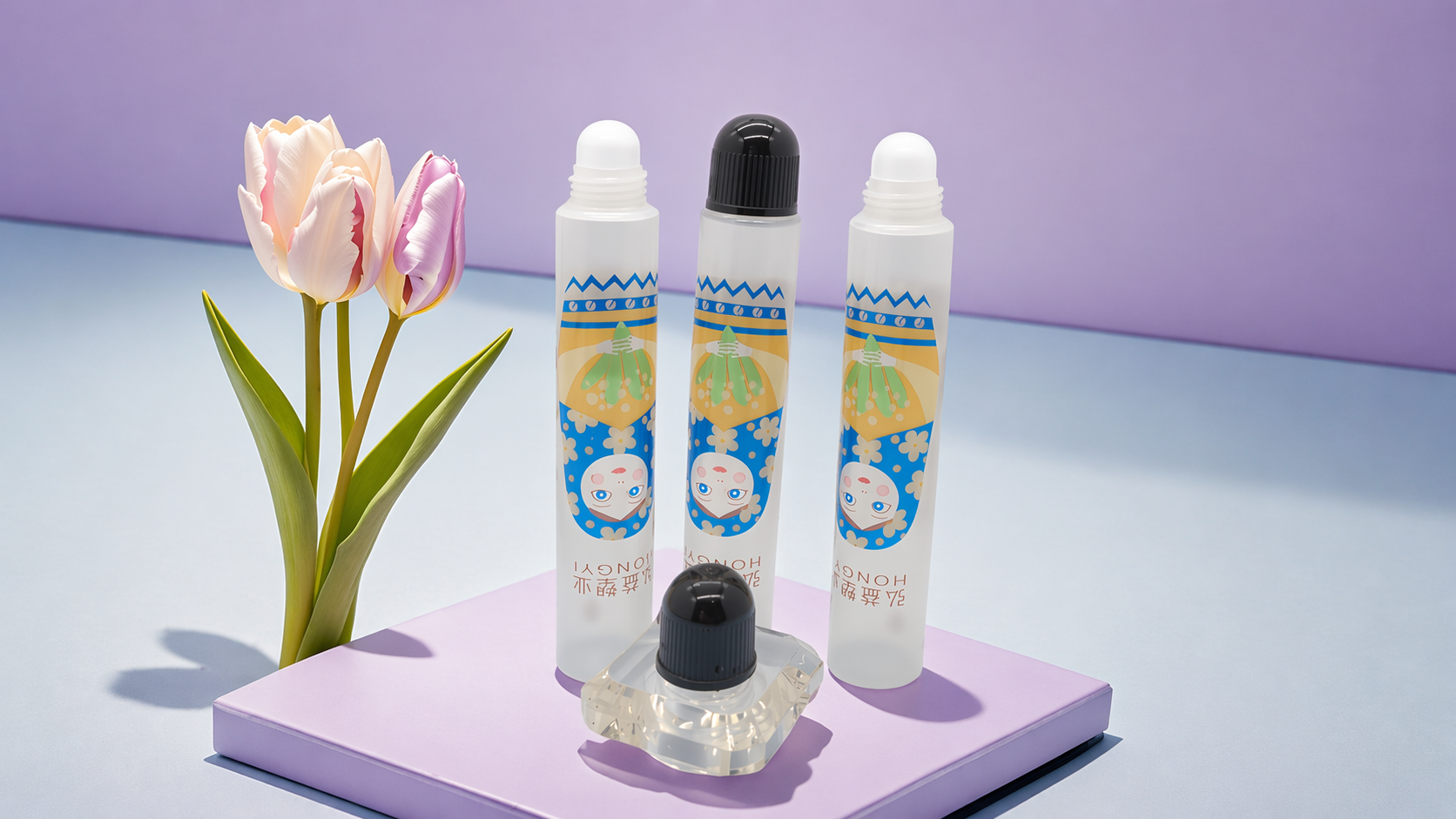
غالباً ما تنجح أو تفشل منتجات العناية بالشفاه ذات الأحجام الصغيرة في مرحلة التغليف أكثر من مرحلة التركيبة. قد يُظهر البلسم أو السيروم أو كريم العلاج أداءً جيداً في المختبر، ولكنه قد يُخيب الآمال عند استخدامه في السوق إذا كانت العبوة غير عملية أو ضخمة أو يصعب التحكم بها. هونغي البلاستيكلقد ركزنا على عبوات مستحضرات التجميل الأنبوبية منذ عام ٢٠٠٩، لذا تظهر هذه المشكلة بشكل متكرر في أعمال تطوير الأعمال التجارية بين الشركات. التحدي عادةً ما يكون بسيطًا: تحتاج العلامات التجارية إلى عبوة صغيرة الحجم تحمي تركيبة المنتج، وتدعم الاستخدام اليومي النظيف، وتلبي في الوقت نفسه احتياجات البيع بالتجزئة والسفر وتوزيع العينات.
لهذا السبب، فإن النقاش حول استخدام مرطب الشفاه في أنابيب أو عبوات أكبر مما يبدو للوهلة الأولى. فهذان الخياران ليسا متطابقين، إذ يدعم كل منهما قوامًا مختلفًا، وأنماط استخدام مختلفة، واستراتيجيات تسويقية مختلفة. بالنسبة لمنتجات العناية بالشفاه ذات الحجم الصغير، يعتمد الاختيار الأمثل على انسيابية التركيبة، وكيفية استخدام المستهلك لها، ونوع سهولة الحمل التي ترغب العلامة التجارية في توفيرها.
لماذا تحتاج منتجات العناية بالشفاه ذات الحجم الصغير إلى منطق تغليف مختلف؟
تُستخدم عبوات العناية بالشفاه الصغيرة بكثرة، فهي سهلة الحمل، ويمكن تقييمها بسرعة. يتوقع المستهلكون أن تتسع في حقيبة اليد، أو حقيبة السفر، أو درج المكتب، أو الجيب دون تسريب أو هدر. وهذا يجعل أداء العبوة واضحًا للغاية. فإذا كان إغلاق العبوة غير محكم، أو كان من الصعب التحكم في كمية المنتج الخارجة، أو إذا احتاج المستخدم إلى إصبعه لإخراج المنتج، فإن نقاط الضعف تظهر فورًا.
لهذا السبب، لا ينبغي التعامل مع منتجات العناية بالشفاه ذات الأحجام الصغيرة بنفس طريقة التعامل مع كريمات الوجه أو لوشن الجسم العادية. فمنتجات الشفاه تتطلب عادةً استخدامًا يوميًا متكررًا، ووقت ملامسة أقصر، ودقة أكبر في التطبيق. لذا، يجب أن توفر عبوة هذه الفئة سهولة الاستخدام، والنظافة، وثبات المنتج في آن واحد.
في تخطيط منتجات الشركات، يعني ذلك أن قرار تصميم العبوة يجب أن يبدأ بالوظيفة لا المظهر. قد يُحسّن التصميم الفاخر من جاذبية المنتج على الرفوف، لكنه لا يُصلح عيبًا في سهولة الاستخدام. بالنسبة لبلسم الشفاه الناعم، وكريم العناية بالشفاه، وسيروم الشفاه، أو مستحضرات تحضير الشفاه، يجب أن تتوافق العبوة أولًا مع خصائص المنتج.
ماذا تعني أنابيب مرطب الشفاه وعبوات مرطب الشفاه فعلياً
مصطلح "عبوات مرطب الشفاه" واسع النطاق، إذ قد يشمل البرطمانات، والعلب، وعلب العصي، والعبوات الأنبوبية. وهذا مفيد على مستوى الفئة، ولكنه قد يُسبب التباسًا أثناء عملية التوريد، لأن الأشكال المختلفة تُعالج مشاكل مختلفة تمامًا.
تُعدّ أنابيب مرطب الشفاه أكثر تحديدًا. في معظم النقاشات التجارية، يُشير هذا المصطلح إلى عبوات الأنابيب التي تُضغط، والمصممة خصيصًا لمنتجات العناية بالشفاه السائلة، مثل المرطبات والكريمات والجل والسيروم. تتميز هذه الأنابيب بسهولة التحكم في تدفق المنتج، وسهولة حملها مقارنةً بالعبوات ذات الفتحة الأوسع. وهذا أحد أسباب شيوع استخدام أنابيب مرطب الشفاه في عبوات منتجات العناية بالشفاه الحديثة، سواءً للسفر أو للتجربة أو للاستخدام اليومي.
يُعدّ هذا التمييز مهمًا لأن بعض المشترين يقارنون بين أنابيب مرطب الشفاه وعبواته كما لو كانت منتجات متطابقة. في الواقع، يُمثل أحدهما فئة فرعية هيكلية، بينما يُمثل الآخر فئة أوسع. والسؤال الأهم هو: أيّ هيكل يُناسب تركيبة صغيرة الحجم تتطلب استخدامًا نظيفًا ومريحًا؟
أين غالباً ما يكون أداء أنابيب مرطب الشفاه أفضل
تطبيق أنظف وتحكم أفضل في الجرعة
عندما تكون تركيبة المنتج لينة أو شبه سائلة، فإن استخدام عبوة الضغط يتيح عادةً تحكمًا أكبر في الاستخدام. إذ يمكن للمستخدم إخراج كمية صغيرة، وتطبيقها مباشرةً، وإغلاق العبوة بسرعة. وهذا ما يجعل أنابيب مرطب الشفاه عمليةً للغاية لكريمات العناية بالشفاه، وتغليف سيروم الشفاه، ومنتجات العلاج التي لا تتصرف مثل مرطبات الشفاه الصلبة.
يُقلل هذا أيضًا من الهدر غير الضروري. قد يُعرّض الوعاء أو البرطمان كميةً من المُستحضر أكثر من اللازم في كل استخدام. بينما يُقلل الأنبوب من هذا التعريض ويُساعد المُستهلك على استخدام كمية مُنتظمة في كل مرة.
ملاءمة أفضل لسهولة الحمل
تُعدّ سهولة الحمل سببًا رئيسيًا لاختيار العلامات التجارية لعبوات مرطب الشفاه صغيرة الحجم. وتُحقق العبوات الأنبوبية هذا الهدف بكفاءة عالية نظرًا لصغر حجمها وخفة وزنها، فضلًا عن قلة اعتمادها على فتحات واسعة أو ملامسة الأصابع. وتزداد أهمية هذه الميزة في عبوات مرطب الشفاه المخصصة للسفر وعبوات عينات مرطب الشفاه.
توافق أفضل مع تحديد موقع المنتج الحديث
لم تعد العديد من منتجات العناية بالشفاه الحديثة مجرد مرطبات شمعية بسيطة، بل تشمل أقنعة الشفاه الليلية، وكريمات التحضير، وجل الترميم، ومرطبات الشفاه اللامعة، ومنتجات غنية بالسيروم. وتستفيد هذه المنتجات عادةً من عبوة أكثر دقة وتركيزًا على العلاج، حيث يُمكن للعبوة الأنبوبية أن تُوضح هذا التوجه بشكل أفضل من عبوات مرطبات الشفاه التقليدية.
حيث لا تزال عبوات مرطب الشفاه الأخرى منطقية
ينبغي أن يأخذ قرار التوريد المتوازن في الاعتبار أيضاً الحالات التي قد تظل فيها عبوات مرطب الشفاه الخيار الأفضل.
قوام سميك أو قوام قابل للغرف
إذا كان المنتج ذو قوام بلسم كثيف ومخصص للاستخدام بالأصابع، فقد يكون استخدام البرطمان أو العلبة مناسبًا. أما الفتحة الأوسع فقد تناسب التركيبات التي تتطلب الضغط أو الغرف أو التسخين قليلاً قبل الاستخدام.
عادات عصا متينة
إذا كان المنتج مصممًا للاستخدام المباشر عن طريق المسح في شكل صلب، فإن العبوة الصلبة هي الخيار الأمثل. في هذه الحالة، لن يُحسّن استخدام الأنبوب لمجرد مظهره العصري تجربة المستخدم.
الإلمام بالفئة
تُفضّل بعض العلامات التجارية عبوات مرطب الشفاه الكلاسيكية لأن المستهلكين يتعرفون عليها بالفعل، مما يُسهّل انتشارها في السوق بسرعة، خاصةً مع المنتجات الأقل تعقيدًا. مع ذلك، لا ينبغي أن تُطغى الألفة على ملاءمة التركيبة. فإذا كان المنتج أقرب إلى الكريم أو السيروم، فإن العبوة الأنبوبية تستحق دراسة جادة.
لماذا تُعدّ تركيبات الأنابيب فعّالة للعناية بالشفاه ذات الحجم الصغير؟
تكمن أهم مزايا عبوات الأنابيب في أنها تجمع بين التخزين والتوزيع وسهولة الحمل في شكل واحد صغير الحجم. هذا المزيج يدعم كلاً من استخدام المستهلك وكفاءة التشغيل.
جيد أنبوب بلاستيكي لمرطب الشفاه يُتيح هذا التصميم تحكمًا أكبر في إطلاق المنتج مقارنةً بالعديد من العبوات ذات الفتحة الكاملة. كما يُقلل من خطر التلوث لأن المحتويات لا تتعرض للضوء بشكل متكرر أثناء الاستخدام. بالنسبة للعناية اليومية بالشفاه، تُعد هذه ميزة عملية وليست تجميلية.
يُعدّ هذا الشكل مناسبًا أيضًا لبرامج البيع بالتجزئة والتجارب. فالأنابيب الصغيرة سهلة الإضافة إلى مجموعات الهدايا الموسمية، ومجموعات السفر، والمجموعات الترويجية، وحملات عينات الشراء الأول. وهذا يجعلها ذات أهمية ليس فقط لحماية المنتج، بل أيضًا لاستراتيجية إطلاق أوسع.
مثال عملي للعناية بالشفاه بكميات صغيرة
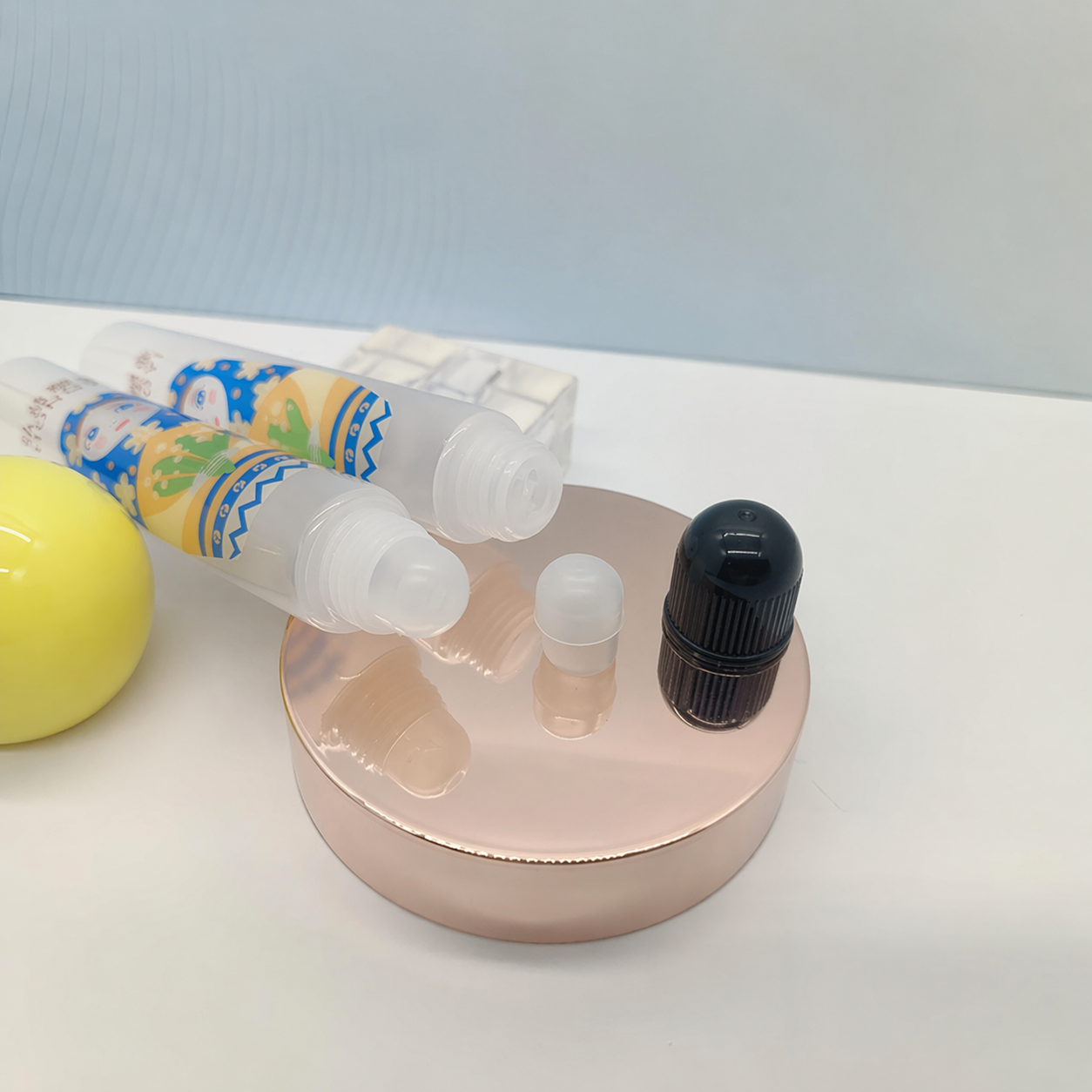 بالنسبة للعلامات التجارية التي تطور منتجات العناية بالشفاه الناعمة، 19 قطعة واحدة رأس مستدير شفة أنبوب بلاستيكي يُوفر هذا المنتج نقطة مرجعية واضحة. فهو مصنوع من أنبوب بولي إيثيلين شفاف، بقطر 19 مم وسعة 15 مل، ويتميز بتصميم تعبئة أمامي مُحسّن لاستخدام المنتج بكفاءة عالية وسهولة الضغط المتكرر. كما يحتوي على غطاء دائري شفاف مع خيارات غطاء كروي، وهو مُصمم خصيصًا لكريمات العناية بالشفاه، والسيرومات، ومرطبات شفاه الأطفال، ولحمله أثناء السفر، وعرضه في متاجر البيع بالتجزئة، وتوزيع العينات.
يوضح هذا التصميم سبب فائدة أنبوب مرطب الشفاه الشفاف في منتجات العناية بالشفاه ذات الحجم الصغير. فمستوى التعبئة المرئي يُسهّل على المستخدم تتبع الكمية المتبقية. كما أن حجمه الصغير يجعله سهل الحمل. ويُحسّن غلافه المصنوع من البولي إيثيلين القابل للضغط من التحكم. بالنسبة للمنتجات التي تقع بين مرطب الشفاه وعلاجها، يُمكن لهذا النوع من أنابيب مرطب الشفاه سعة 15 مل أن يُحقق توازنًا أفضل من عبوات مرطب الشفاه الأوسع.
ما الذي يجب على المشترين مراجعته قبل اختيار أنابيب مرطب الشفاه بالجملة؟
لا ينبغي أن يبدأ اختيار أنابيب مرطب الشفاه بالجملة بالتركيز على الشكل، بل يجب أن يبدأ بخصائص التركيبة واستخدامها في السوق.
تركيبة قوام
السؤال الأول هو ما إذا كان المنتج مرطب شفاه ناعمًا، أو كريمًا، أو سيرومًا، أو جلًا علاجيًا. هذا يحدد مدى ملاءمة العبوة المضغوطة. إذا كانت التركيبة تتطلب إطلاقًا متحكمًا به وتطبيقًا مباشرًا، فإن أنابيب مرطب الشفاه هي الخيار الأمثل عادةً. أما إذا كانت التركيبة صلبة جدًا أو تعتمد على المغرفة، فقد تكون عبوة أخرى أكثر فعالية.
سيناريو السعة والاستخدام
ينبغي أن تعكس السعة الاستخدام الفعلي لا مجرد المظهر. فليس بالضرورة أن تستفيد عبوة أكبر من منتج علاجي صغير. غالبًا ما تحقق برامج التجربة، ومنتجات السفر، والمنتجات المصممة لتوفير الراحة أداءً أفضل مع سعات محددة. على سبيل المثال، قد يكون حجم 15 مل أنسب للحمل المتكرر ولتشجيع الشراء لأول مرة من بديل أكبر حجمًا.
استراتيجية بصرية وجاذبية على الرفوف
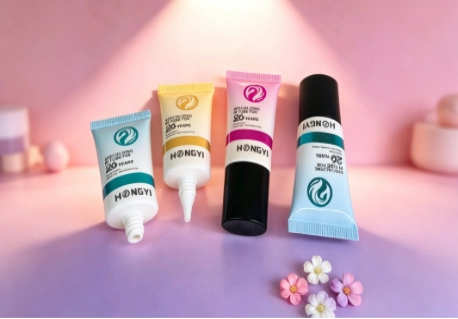
يُعدّ التزيين عنصراً مهماً عندما يدعم قصة المنتج. فالغلاف الشفاف يُبرز النضارة، ويُعزز وضوح المنتج، ويُضفي لمسة عصرية بسيطة. كما تُساعد الرسومات المطبوعة في تحديد موقع المنتج في السوق، سواءً كان موسمياً أو إصداراً محدوداً. في هذا التصميم، يُعتبر الغلاف الشفاف والطباعة اللامعة متعددة الألوان جزءاً من استراتيجية البيع بالتجزئة، وليسا مجرد إضافة تجميلية. فهما يُحسّنان من أداء العبوة في بيئات العرض والهدايا.
الاستدامة والتوجه المادي
يُعد اختيار المادة جزءًا من القرار. ولا يزال البولي إيثيلين خيارًا عمليًا في العديد من أشكال الأنابيب المضغوطة نظرًا لمرونته وقابليته للتشكيل المتكرر وإعادة تدويره. وبالنسبة للعلامات التجارية التي تُراجع خططها المستقبلية للمواد أو الهياكل، فإنّ خيارات التخصيص الأوسع نطاقًا تُعدّ مهمة أيضًا. وتشمل خيارات تطوير الأنابيب من حيث التخصيص: البولي إيثيلين أحادي الطبقة، والهياكل متعددة الطبقات، ومزيج الألومنيوم والبلاستيك، وPLA، والحلول القائمة على إعادة تدوير البوليمرات، بالإضافة إلى طرق طباعة وتشطيب متعددة.
أخطاء شائعة في عبوات منتجات العناية بالشفاه ذات الأحجام الصغيرة
من الأخطاء الشائعة اختيار تصميم العبوة بناءً على شيوع استخدامها في نفس الفئة. قد تفترض العلامة التجارية أن جميع عبوات مرطب الشفاه مناسبة لأنها شائعة في السوق، وهذا قد يؤدي إلى تصميم غير ملائم عندما تتطلب التركيبة ضغطًا دقيقًا لتوزيع المنتج.
خطأ آخر هو تجاهل سهولة الحمل. غالبًا ما تُشترى منتجات العناية بالشفاه ذات الأحجام الصغيرة لسهولة استخدامها وتجربتها وحملها يوميًا. إذا أصبحت العبوة ضخمة أو يصعب استخدامها أثناء التنقل، فإنها تتعارض مع منطق هذه الفئة.
الخطأ الثالث هو فصل تصميم العبوة عن تخطيط خط الإنتاج. قد يصبح التصميم المُختار لمنتج واحد فقط مُقيِّدًا عند توسيع نطاق المنتجات ليشمل سيروم الشفاه، أو كريم العناية بالشفاه، أو منتجات علاجية أخرى. يُمكن لتصميم أنبوب بلاستيكي أكثر مرونة لمرطب الشفاه أن يُقلل من هذا الخطر، إذ يُوفر للعلامة التجارية هيكلًا يُمكن توسيعه بسهولة أكبر ليشمل منتجات أخرى مُجاورة.
خدمة ودعم الاتصال لتطوير منتجات العناية بالشفاه المخصصة
بمجرد تحديد اتجاه التغليف، لا تكون الخطوة التالية هي الإنتاج الضخم الفوري، بل هي مراجعة منهجية. وتشمل هذه المراجعة عادةً لزوجة التركيبة، والسعة المستهدفة، ونوع الغطاء، وتفضيلات التزيين، والتوازن بين مظهر المنتج على الرف وسهولة الاستخدام.
بالنسبة للمشاريع التي تتطلب أكثر من مجرد خيار جاهز، يمكننا دعم تطوير أنابيب بأقطار تتراوح من 13 مم إلى 60 مم، مع خيارات متعددة للمواد والزخرفة، بما في ذلك الطباعة بالشاشة الحريرية، والطباعة الغائرة أو الأوفست، والنقش البارز، والنقش الغائر، والورنيش المقاوم للأشعة فوق البنفسجية، وأساليب إغلاق متنوعة. هذه المرونة مفيدة عندما ترغب علامة تجارية في البدء بمنتج واحد للشفاه ثم التوسع لاحقًا إلى مجموعة أوسع من منتجات العناية.
إذا كان الهدف هو مقارنة هياكل الأنابيب، أو مراجعة مفهوم الحجم الصغير، أو إعداد خطة أخذ عينات، فإن أفضل خطوة تالية هي تحديد نمط الصيغة والهدف من الاستخدام أولاً، ثم اتصل بنا لمناقشة أكثر دقة حول التغليف.
أسئلة متكررة
س: هل أنابيب مرطب الشفاه أفضل من عبوات مرطب الشفاه للمنتجات ذات الحجم الصغير؟
ج: غالبًا ما تكون هذه العبوات أفضل عندما تكون التركيبة ناعمة أو شبه سائلة أو مُخصصة للعلاج وتتطلب تطبيقًا نظيفًا ومُتحكمًا فيه. قد تناسب عبوات مرطب الشفاه الأخرى أيضًا أنواعًا أكثر كثافة أو ذات قوام تقليدي.
س: ما هي أنواع التركيبات التي تناسب أنبوب مرطب الشفاه البلاستيكي بشكل أفضل؟
ج: عادةً ما تكون كريمات العناية بالشفاه، وسيرومات الشفاه، وبلسمات العلاج الناعمة، ومنتجات التحضير، وغيرها من المنتجات سهلة الضغط، مرشحة قوية لأن الأنبوب يدعم التدفق المتحكم فيه وسهولة الحمل.
س: ما الذي يجب على المشترين التحقق منه قبل طلب أنابيب مرطب الشفاه بالجملة؟
ج: ينبغي على المشترين مراجعة قوام التركيبة، والسعة المستهدفة، واحتياجات سهولة الحمل، وأهداف التزيين، وما إذا كان هيكل التغليف يدعم التوسع المستقبلي لخط الإنتاج دون التسبب في عدم الاتساق.