The cosmetics industry depends on packaging solutions to protect products from degradation and lengthen their storage duration while creating better brand images. The selection of appropriate plastic materials for cosmetic tubes represents a major challenge because these products need to protect sensitive formulations through high barrier performance. High-barrier cosmetic tubes serve two main purposes by blocking oxygen and moisture and UV rays while keeping their recyclable design and easy-to-use functionality.
Zhejiang Hongyi Plastic Industry Co. Ltd. stands as a top option for brands who need dependable packaging solutions with customizable options and superior performance. The company provides complete packaging solutions through its R&D capabilities and modern manufacturing equipment and extensive selection of cosmetic tubes.
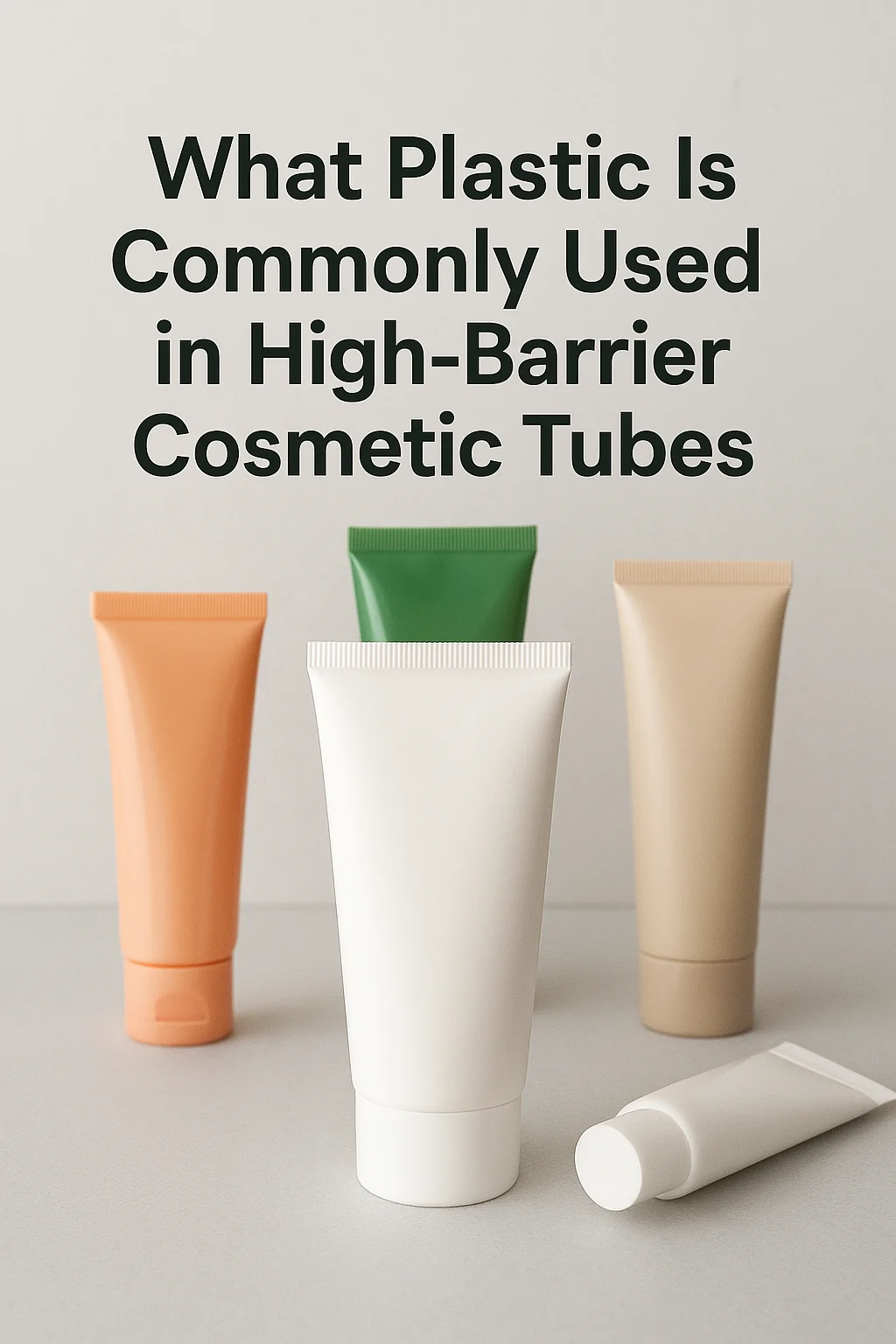
What Plastics Are Typically Used in High-Barrier Cosmetic Tubes?
High-barrier cosmetic tubes require manufacturers to select plastics through multilayer structures or advanced laminate materials which provide maximum protection for their contents.
Multi-Layer Co-Extruded PE Structures for Enhanced Barrier Properties
High-barrier packaging relies on multilayer co-extrusion technology as its fundamental production method. The main structure of these packages consists of polyethylene (PE) as the primary layer which works together with ethylene vinyl alcohol (EVOH) as the barrier layer. The excellent oxygen barrier properties of EVOH require its use in packaging materials that protect sensitive ingredients from oxidation.
Co-extrusion: The production of multi-layer composite structures through PE/EVOH/PE technology creates structures that enhance barrier properties for food and pharmaceutical packaging applications. The structural design enables different viscosity levels which makes it appropriate for packaging creams and gels and lotions.
Use of Laminated Tubes with Aluminum or Plastic Barriers
The production of laminated tubes involves uniting different materials into one complete structure. The standard structure of these tubes consists of three layers which start with PE on the outside followed by EVOH or aluminum foil in the middle and end with PE on the inside. The designed structure provides outstanding defense against oxygen permeation and UV radiation damage and volatile substance migration.
These materials work best for high-end skincare products which need extended shelf life protection. The barrier system protects active ingredients including retinol and vitamin C from degradation during the entire product shelf life.
Integration of Recyclable Mono-Material PE Tubes
The market shows increasing interest in using recyclable mono-material PE tubes as a new standard. The tubes use a single material type which includes HDPE or LDPE to achieve recycling simplicity while maintaining their barrier properties.
Brands now select materials which are recyclable and biodegradable for their products including PCR (post-consumer recycled plastic) and PLA (polylactic acid) and paper-plastic hoses and sugarcane hoses to minimize environmental damage. The 25 PE plastic tube refilling bottle–1 demonstrates this change through its lightweight leak-proof mono-material structure.
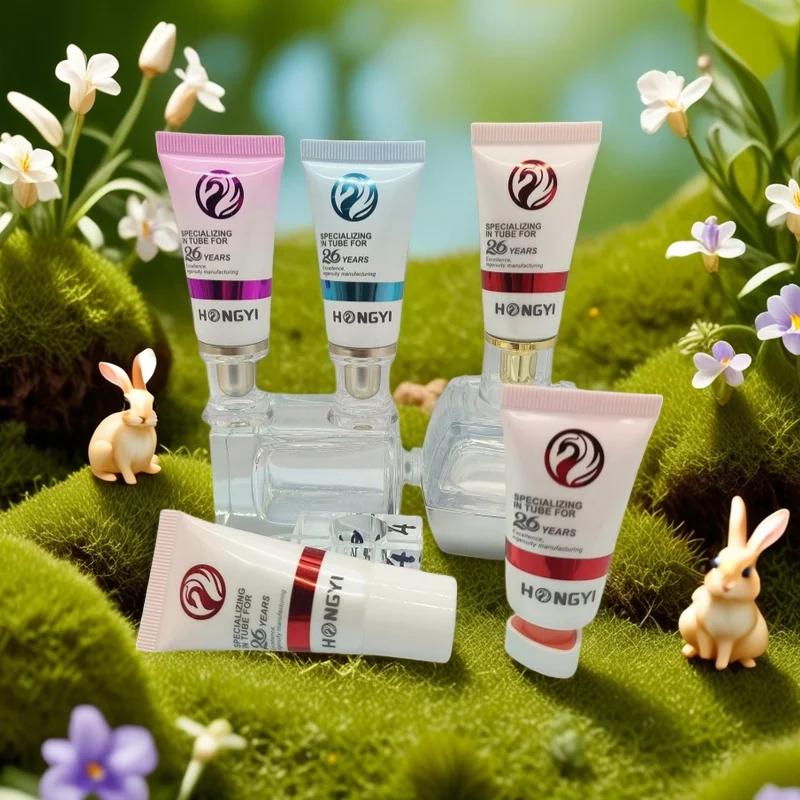
Why Is PE (Polyethylene) a Preferred Material in Cosmetic Tube Manufacturing?
The production of cosmetic tubes depends on polyethylene as their fundamental polymer material. The combination of its versatile properties with chemical resistance and affordable price makes polyethylene suitable for both basic and advanced barrier applications.
Chemical Resistance and Product Compatibility
PE resists degradation from acids, bases, and most cosmetic actives. The tube material remains stable because it does not react with any ingredients in the formulation.
The tube requires protection from chemical reactions with the formulation because this preservation ensures the long-term stability of sensitive emulsions.
Softness and Flexibility for User Comfort
The flexible design of PE provides users with comfortable application experiences. Users can easily apply lotions and gels through the simple squeeze function.
The hose extrusion design allows users to easily manage dosage amounts while providing secure sealing that stops leaks when used repeatedly. The touch-sensitive design stands out most in small travel products including the 19 PE plastic tube refilling bottle–5.
Cost Efficiency and Scalability in Production
PE exists in large quantities and manufacturers can easily transform it through established extrusion and injection molding production methods. The material works well with fast filling production lines which enables business expansion.
The production line at the company has evolved from traditional labor-based manual operations to an automated industrial production system. The automated system enables both quality control consistency and supports intricate printing methods including silk screen printing and hot stamping.
How Does Zhejiang Hongyi Ensure High Barrier Performance in Its Cosmetic Tubes?
Zhejiang Hongyi Plastic Industry Co., Ltd. uses advanced engineering methods to produce high-quality cosmetic tubes which provide customized barrier protection for various product requirements.
Adoption of Coextruded PE Tube Technology With EVOH Layers
Hongyi implements multilayer coextrusion techniques with EVOH to achieve maximum protection against oxygen and moisture penetration. Co-extrusion: Multi-layer composite structures (such as PE/EVOH/PE) improve barrier properties.
The 19 PE plastic tube refilling bottle–5 demonstrates its sealing performance and functional durability through its design.
Customization of Layer Structures Based on Product Needs
Hongyi enables clients to select material layers through its customization program for achieving particular barrier performance. The company enables customers to select product structures which provide either UV protection or volatile compound retention for their sunscreen and serum development needs.
The 35 PE plastic tube refilling bottle provides users with different diameter choices that work well for thick liquid preparations.
In-House Quality Control Across the Manufacturing Chain
The production process includes thorough testing of every tube to measure its oxygen transmission rate (OTR) and water vapor transmission rate (WVTR). The production line operates with standardized procedures while physical and chemical index inspections and non-special record product inspections verify that each batch maintains reliable performance across different storage environments.
What Role Does Tube Design Play in Enhancing Barrier Functionality?
The design structure of a tube together with its materials determines how well it functions as a barrier. The barrier performance of a tube depends on how its different components including layer thickness and closure systems and surface treatment interact with each other.
Thickness Optimization Across Tube Layers
The protection against gas permeation becomes better when wall thickness adjustments are made without compromising the flexibility of the material. The protection against oxygen permeation improves when EVOH cores reach thicker dimensions because this material works well for oxidation-sensitive formulations.
The method proves most effective for Hongyi’s multi-diameter product line which includes the 25 PE plastic tube refilling bottle–1. The product design provides enhanced durability through its reduced material requirements.
Cap Sealing Systems That Complement Tube Integrity
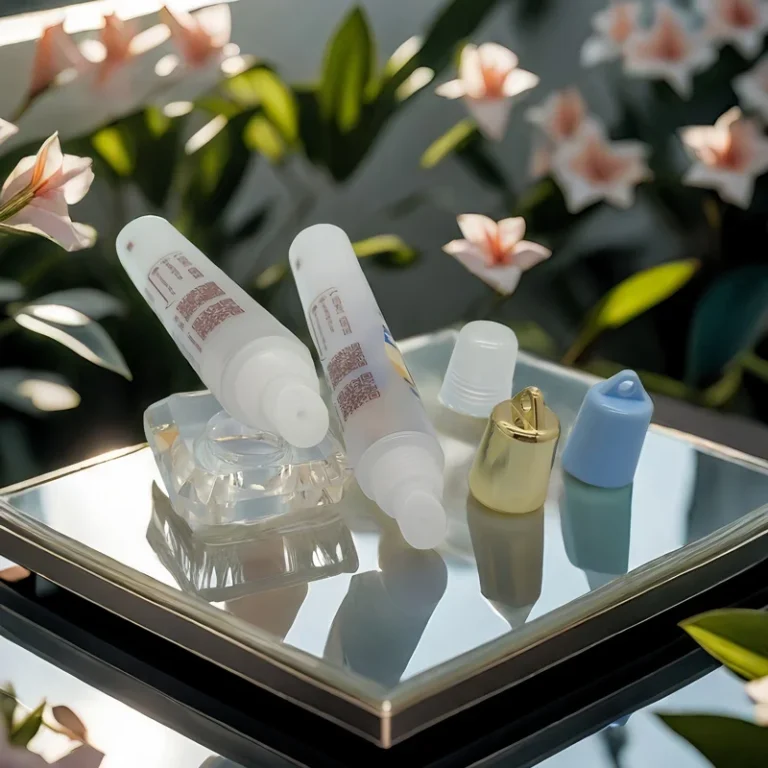
The body requires closures to function together for maintaining content integrity. The design of flip-top caps and screw caps includes tamper-evident features which stop air from entering when users access the product multiple times.
The packaging design includes screw caps and flip-top closures which help reduce air entry into the container. The design feature protects products from contamination when users access the container multiple times because it serves as a vital requirement for skin-friendly creams and ointments.
Surface Treatment for Decoration Without Compromising Barriers
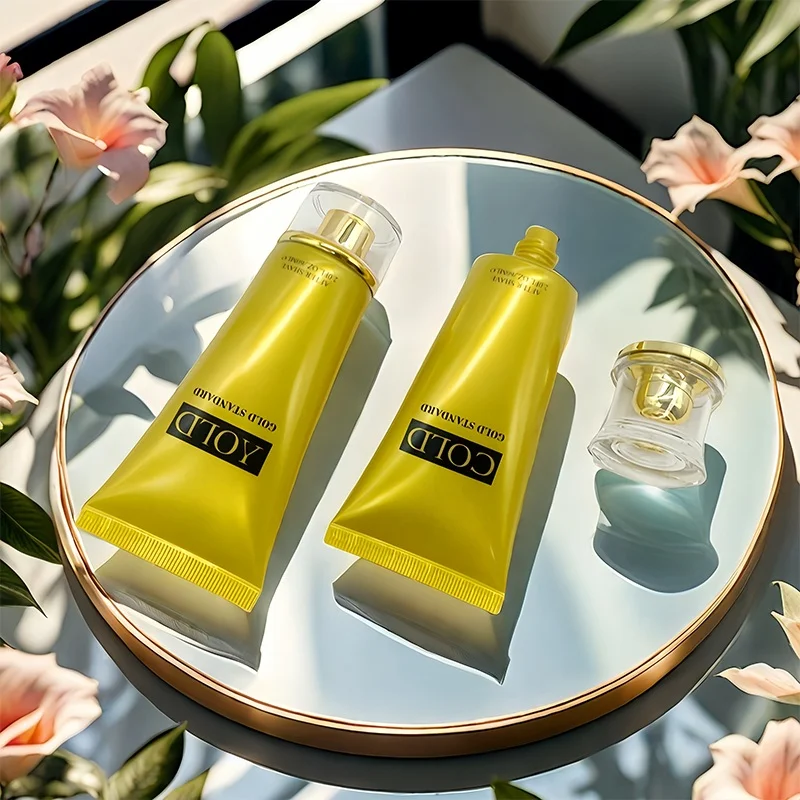
The application of decorative finishes through silk screen printing or hot stamping requires careful consideration to prevent damage to material layers. Printing: Offset printing + hot stamping; UV electroplating; The use of barrier films maintains performance levels while preserving visual appeal.
How Are Sustainability Goals Addressed Through Material Selection?
Eco-conscious brands require packaging solutions which fulfill both operational needs and environmental sustainability requirements. Material selection stands as the key factor to achieve these objectives.
Shift Toward Mono-Material PE Tubes for Recycling Efficiency
The use of recyclable mono-materials makes it easier to sort waste after consumers have finished using them. The system reduces the difficulty of separating waste after consumers have finished using their products while following current recycling regulations.
The 25 PE plastic tube refilling bottle–1 demonstrates this trend through its environmentally friendly design which provides protection.
Use of Lightweight Designs to Minimize Material Usage
The reduction of wall thickness for performance maintenance results in lower carbon emissions during production and transportation operations. The optimization of wall structures leads to decreased plastic usage which helps companies achieve their sustainability goals throughout their supply networks.
What Customization Options Enhance Both Aesthetics and Functionality?
First impressions are formed by aesthetic appeal yet functional precision leads to brand loyalty. Hongyi provides extensive customization options which enable customers to choose from various design alternatives.
Color Matching and Transparency Control
The visual branding of products improves through color customization which also enables users to manage UV exposure according to their requirements.
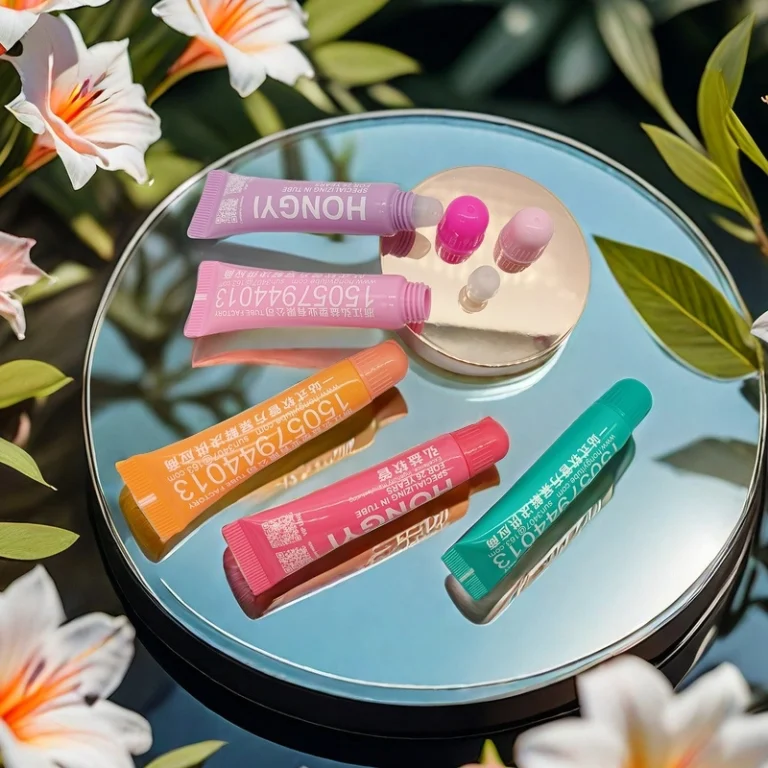
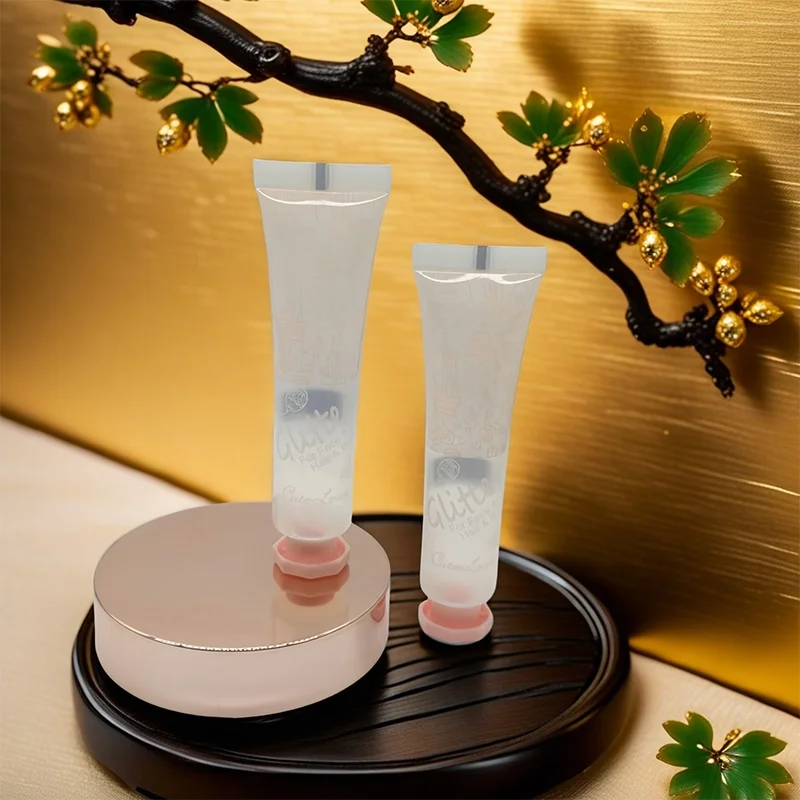
The 19mm and 25mm products feature colored transparent skin care tubes which show visual flexibility while maintaining high user-friendliness.
Diameter Variations for Different Applications
The product line includes Ø13mm to Ø60mm diameter options which fulfill different application needs from small serum samples to complete cream formulations. The product line receives proper dosage per squeeze through adjustable pipe length and diameter options ranging from φ13mm to φ60mm.
Surface Finishing Techniques That Support Brand Identity
The combination of printing methods including offset printing and silk screen printing and embossing and matte varnish and UV varnish enables brands to enhance their recognition while maintaining product functionality. The printing options which include glossy and matte and metallic finishes do not compromise barrier functionality so they work well for both budget-friendly and high-end product lines.
Why Choose Zhejiang Hongyi as a Partner for High Barrier Cosmetic Tubes?
Zhejiang Hongyi Plastic Industry Co., Ltd. provides one-stop solutions to global cosmetic brands through its flexible service models and technological capabilities.
Comprehensive Product Portfolio Covering Multiple Needs
Their product range includes all types of skin care tubes together with refillable containers including the 35 PE plastic tube refilling bottle which meets both high-end and large-volume customer needs.
Proven Expertise in High Barrier Technologies
The company established its operations in 2009 as a factory which produces cosmetic packaging materials from plastic hoses while implementing R&D design principles throughout all product elements. The company develops its innovation pipeline through research institution partnerships and patented technology applications.
Strong Customer Support From Design to Delivery
Hongyi provides complete support through its capabilities which include mold development and rapid prototyping and logistics management. You can learn more about their information by visiting contact-us.
FAQ
Q1: What is EVOH and why is it used in cosmetic tubes?
A: EVOH (ethylene vinyl alcohol) is a high-barrier resin that resists oxygen transmission, essential for preserving sensitive ingredients in cosmetics over time.
Q2: Are mono-material PE tubes recyclable?
A: Yes, mono-material PE tubes are designed for easy recycling because they avoid mixing incompatible plastics in one structure.
Q3: How does Zhejiang Hongyi ensure product quality?
A: Through ISO-certified production lines, physical-chemical testing, and real-time quality control protocols across all stages of manufacturing.