The world of cosmetic packaging gives lots of options. These choices can improve how products look appealing and work in daily life. Learning about the main kinds lets you choose the best packaging for your company. This section checks the ways different packaging types stand apart. It also covers their unique roles in practice.
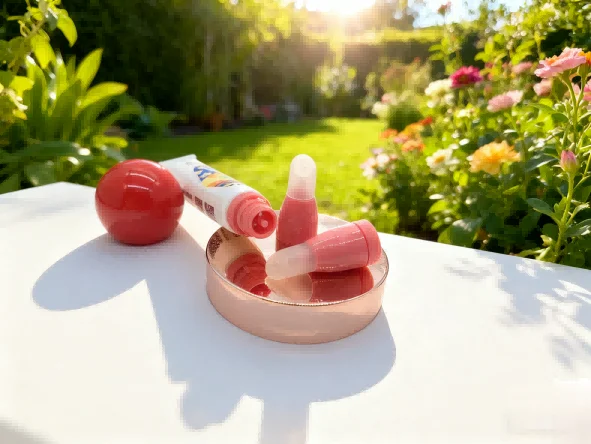
What Are the Main Types of Cosmetic Packaging and How Do They Differ?
When you select cosmetic packaging, the kind and structure play a big role in keeping the product safe, making it easy to use, and showing your company image. The materials picked, the form, and how much protection it offers change how customers view and use your goods.
Why Material Choice Impacts Packaging Functionality and Brand Perception
Items like plastic, glass, and metal offer various good points. Plastic remains lightweight and resists breaking, which fits well for things people take on journeys. Glass weighs more and might break, yet it gives the product a sense of higher value. Metals, for example aluminum, create solid shields and recycle easily.
It’s not just about the outer view; the material has to pair nicely with what’s inside. Take reactive elements such as vitamin C or retinol, for instance. They call for holders that won’t react, like airless pumps or aluminum tubes lined inside to halt any decay. Builds from co-extrusion, such as PE/EVOH/PE, see wide use since they stop oxidation and drip quite well.
Earth-friendly ways now shape choices as well. Companies choose more materials that recycle or break down in nature, including PCR (post-consumer recycled plastic), PLA (polylactic acid), paper-plastic hoses, and sugarcane hoses. Such steps lessen damage to the planet.
How Do Primary, Secondary, and Tertiary Packaging Serve Different Purposes?
Packaging comes in a few levels to do varied tasks. The first level holds the contents safe on the inside, such as tubes for creams or pump bottles for serums. The next level boosts the appearance and passes on company info using boxes or wraps. The outer level deals with large loads and guards items on the way.
Shapes from plastic hose extrusion let you control the amount you squeeze out easily. Plus, they close firmly to prevent any spills, and that makes them good for products folks use regularly.
Which Shapes and Structures Are Common in Cosmetic Containers?
The main part’s outline has to fit the product’s job and what people hope for. Tubes twist nicely and work for stuff like hand creams. Jars make it simple to scoop out heavy blends like masks. Pump bottles stay clean and release exact doses for serums or lotions.
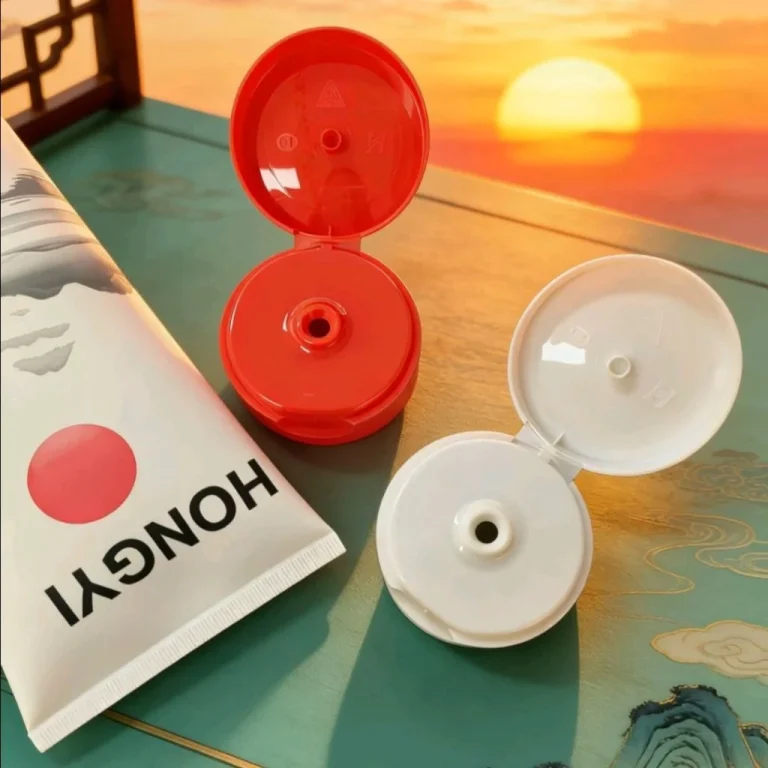
Fresh hose styles handle several jobs these days, featuring big openings, twist lids, or split designs that ease use and keep things new.
Why Is Customization Essential in Cosmetic Packaging?
Simple packaging won’t do the trick any longer. In a busy market, your packaging needs to tell your company story at once, through both looks and touch.
How Does Custom Cosmetic Packaging Strengthen Brand Identity?
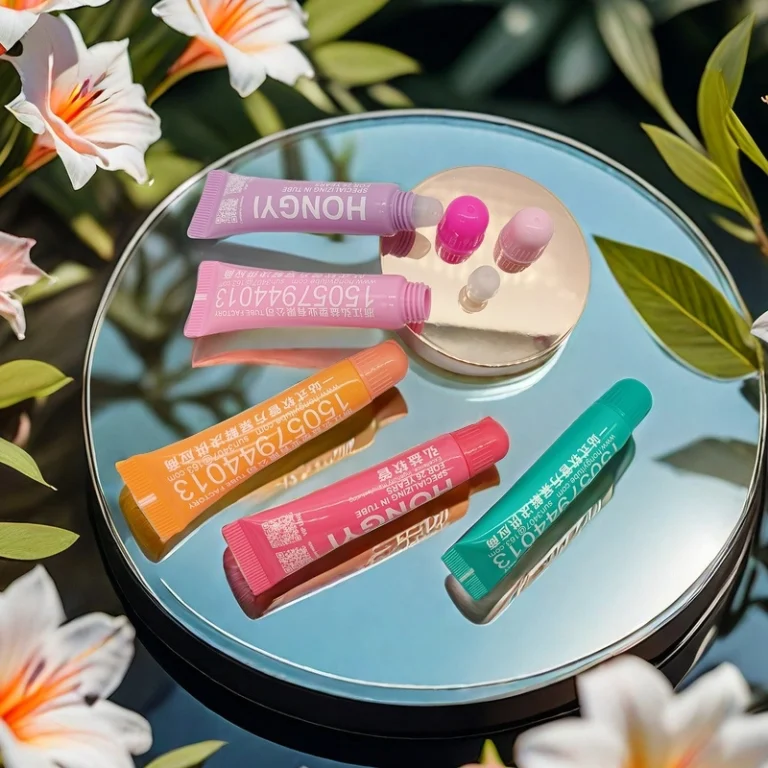
Putting your mark on it goes beyond basic labels. Companies craft unique packaging with unusual forms, shades, and printing methods to raise memory in minds. Sticking to the same style over all products grows trust and keeps customers coming back.
Smart color choices help fix your brand in people’s thoughts and build fences against others in the field. To illustrate, a flat black tube paired with a vivid green mark stands out boldly on store racks.
In What Ways Can Decoration Techniques Elevate Product Appeal?
Final details grab eyes and suggest high class. Ways like offset printing, silk screen printing, or digital printing deal with hard patterns or sharp images in bright colors. Hot stamping adds a gleaming metal feel that pulls in looks, and UV coating brings a glossy or smooth finish that matches your company vibe.
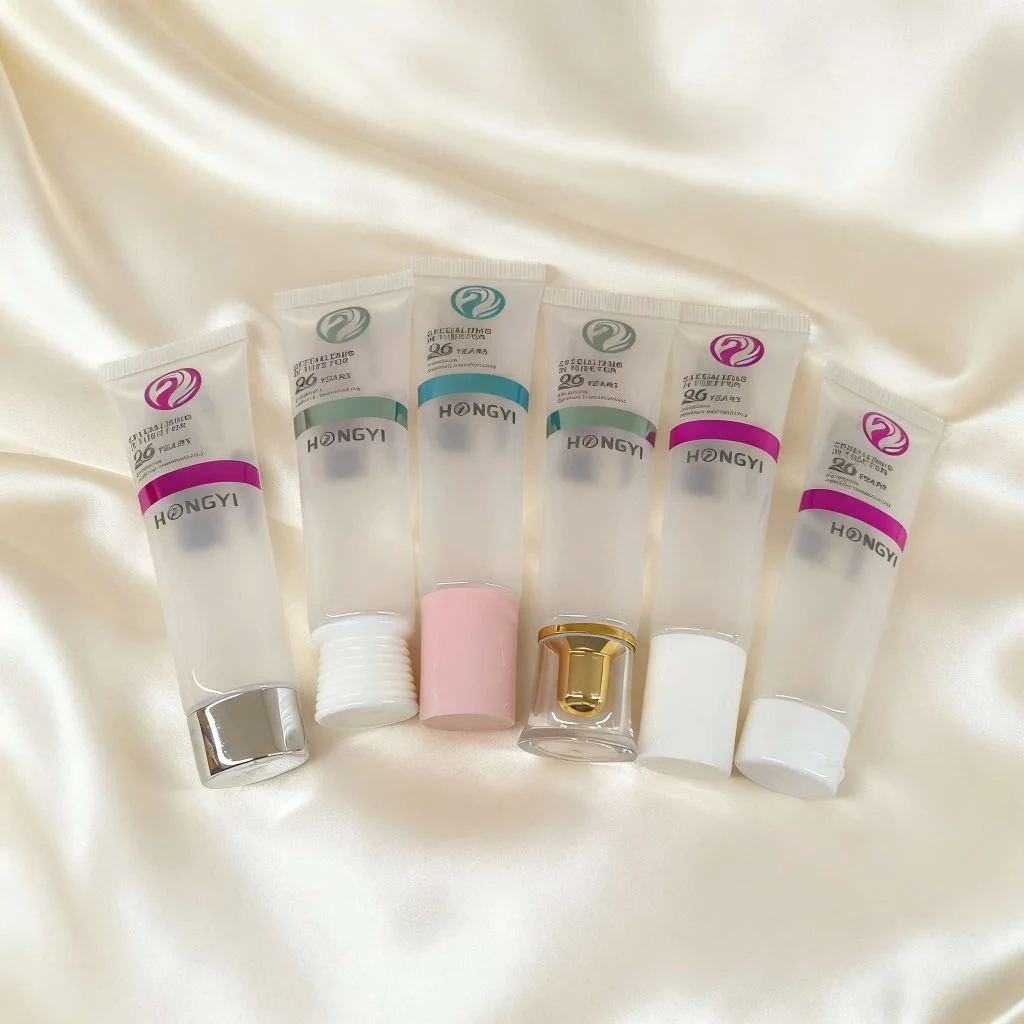
Combining UV electroplating with hot stamping changes a basic white tube into something elegant and current.
How Do You Align Functionality with Aesthetic Customization?
The way it looks must not harm the ease of handling it. Forms that sit well in the hand make it comfortable to hold while holding onto clear sights. As an example, hoses in two parts keep blended steps separate without ruining the design.
A great choice is Hongyi Plastic’s product. It supports nature-friendly company ideas without dropping custom feels.
What Should You Consider When Selecting Packaging Based on Product Type?
All cosmetic goods require specific packaging. This method keeps them fresh and aids in reaching users properly.
Why Do Skincare Products Require Specific Packaging Solutions?
Skin care blends, above all with active bits, ask for strong, closed systems. Serums pair nicely with airless pumps that reduce air touch. Airless bottles protect sensitive parts from air damage as you use them. Creams go with broad jars for their dense texture. Toners call for leak-free flip lids for safe use.
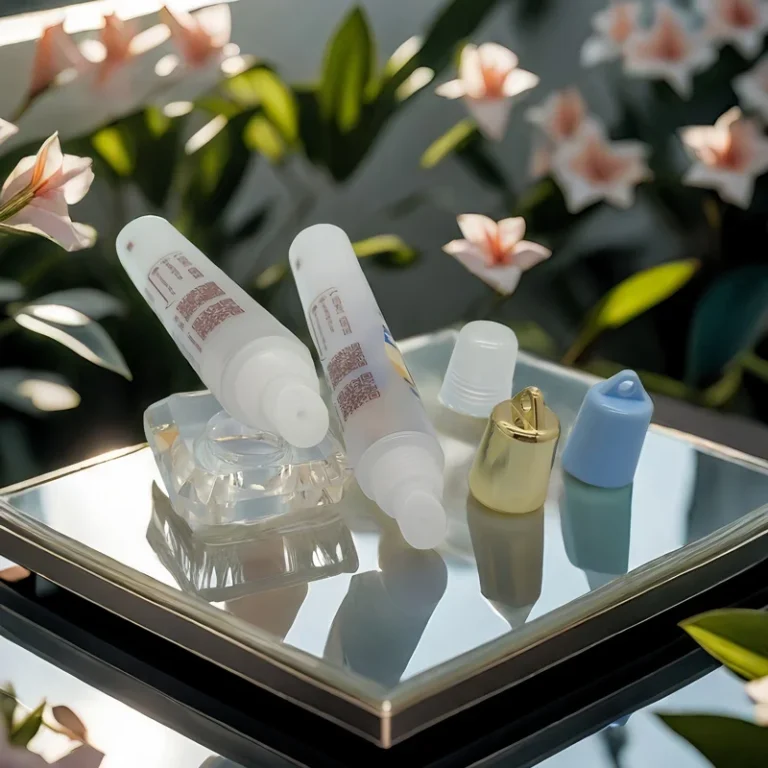
Hongyi’s new Ø25mm clear tube with shiny electroplated cover handles these wants nicely. It offers good surface treatments and solid closes.
How Does Makeup Packaging Differ by Product Formulation?
Makeup shows up in solid, liquid, and powder shapes, and each needs its special answer. Lipsticks depend on twist parts. Loose powders need jars with shakers or boxes with mirrors. Liquid bases often go for droppers or pumps to manage the flow.
What Role Does Compatibility Play in Packaging Selection?
Fitting with chemicals counts to avoid harm to the blend or any leaks. Parts that react might decay in certain plastics, so checks matter a lot. Items with strong smells could use guard layers like PVDC or silicon oxide to block any leaks.
Heavy blends might not work with droppers but fit squeeze tubes or pumps. Hongyi’s flat tubes with direct seals provide a spill-stop answer for them.
How Can You Leverage Hongyi Plastic’s Expertise in Cosmetic Packaging?
When you expand your cosmetic line or begin fresh, joining with a wise partner quickens the work without dropping standards.
What Makes Hongyi Plastic a Reliable Partner for Your Custom Projects?
With over twenty years in OEM/ODM packaging tasks, Hongyi Plastic aims at custom-made answers that match your blend needs and company style. Begun in 2009, with “cosmetic hoses” as the main focus, they deliver full custom OEM ODM services all in one spot.
Their building area spans 3,000 ㎡ with ISO9001-approved workshops, making up to 6 million items each month. Their team holds leading R&D pros who go on creating new forms and surfaces to fit shifting needs.
From the first thought to the store-ready product, they take care of things like offset printing on bumpy tubes or stylish soft tops on sharp tips.
How Do Market Trends Influence Cosmetic Packaging Decisions?
Packaging these days reaches past just containing. It answers shifting customer wishes with fresh thoughts and care.
Why Is Sustainability Reshaping Consumer Expectations?
People now favor companies that lower waste using refill plans or stuff that breaks in nature. Refill designs not only cut down on trash but also draw in more sales by holding up over time. Choosing recyclable PET or breaking-down PLA links your company to planet-kind ideas.
Hongyi’s plant-made plastic hoses from sugarcane fit if you plan to drop air damage without giving up on style.
What Role Does E-commerce Play in Shaping Design Choices?
Web sales need packaging that withstands travel bumps while keeping photo appeal. Tiny sizes trim send costs and suit users who save room. Seal proofs grow trust, vital for skin and face goods sold online.
Hongyi’s fixed seal methods confirm no drips happen even on bumpy paths.
FAQs
Q: What type of cosmetic packaging is best for anti-aging serums?
A: Airless pump bottles are ideal because they prevent oxidation and contamination of sensitive active ingredients.
Q: Can I fully customize the color and logo on my cosmetic containers?
A: Yes, customization includes Pantone color matching, logo placement via silk-screening or hot stamping, embossed textures, and surface finishes like matte or gloss coating.
Q: Are there eco-friendly options available for plastic cosmetic packaging?
A: Absolutely—recyclable plastics such as PET or PP are widely used; some suppliers also offer biodegradable resins or refillable designs to support sustainability goals.