Skincare packaging holds a key role in guarding product freshness while showing brand ideals and green aims. Picking the proper materials greatly affects how well it works, its safety, and buyer confidence.
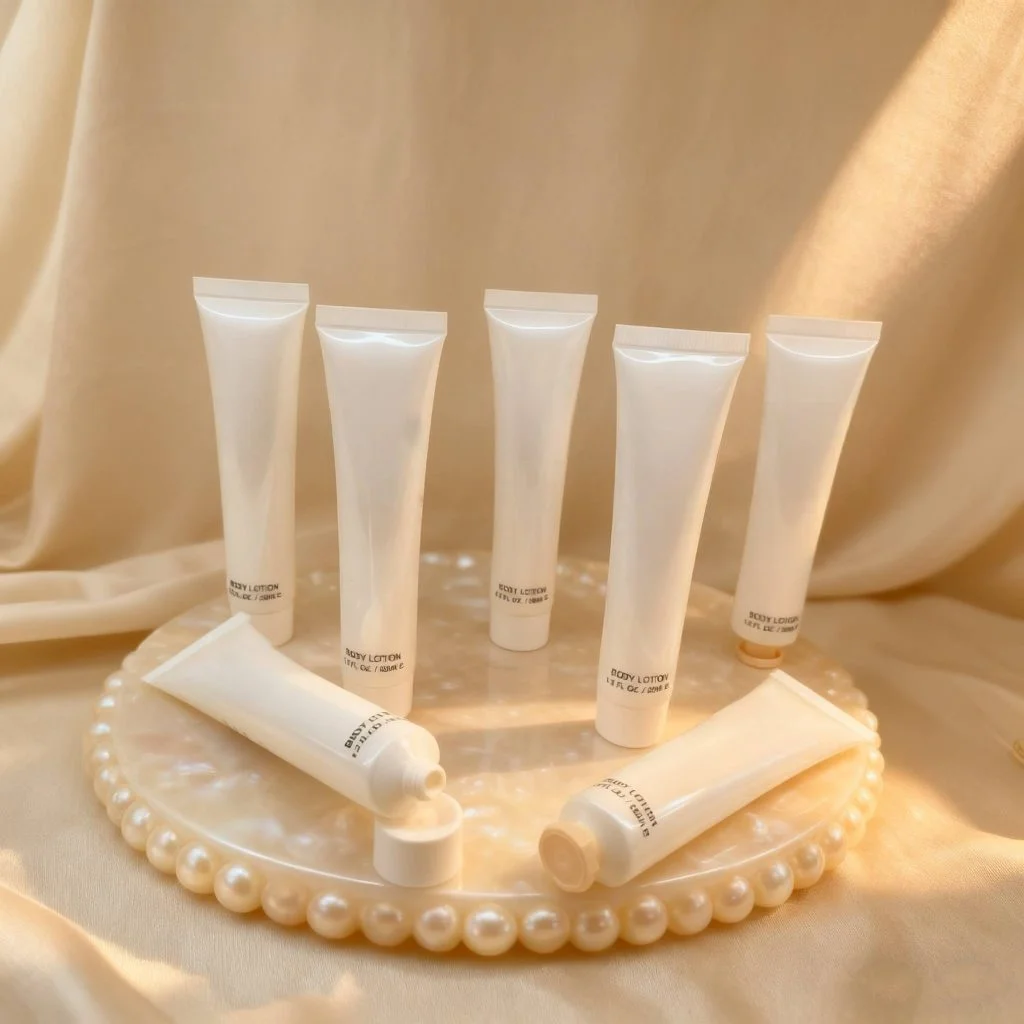
What Factors Should Guide Your Choice of Skincare Packaging Materials?
When creating skincare items, selecting the correct packaging materials is no mere side thought—it’s a smart choice that touches on product strength, buyer enjoyment, and your brand’s promise to the environment.
Why Material Selection Impacts Product Stability and Shelf Life
Your recipe’s success depends on how well it stays fresh as time passes. For that reason, the material you pick needs to guard against light, air, and germ threats. Dark or UV-protected tubes, for example, keep delicate parts like retinol or vitamin C from breaking down.
Co-extrusion methods with many-layer mixed builds, such as PE/EVOH/PE, boost shield qualities a lot. This stops rusting and ingredient leaks. Airless pump bottles serve as another strong fix—they cut down air touch and keep active elements safe. For mixes full of fighters against aging, like serums, think about a sealed-under-vacuum holder such as the 30 ml Airless Pump Bottle, which gives both safety and a top-notch look.
How Compatibility Between Formula and Material Prevents Degradation
Besides lasting on the shelf, the match between your recipe and its holder makes sure of ongoing safety. Certain plastics clash with sour or oil-from-plant-based mixes, causing leaks or color changes. Picking steady-against-chemicals materials and running match tests makes certain the holder won’t change the recipe as time goes on. This matters a lot for goods with lots of natural bits or few guards against spoilage.
How Does Packaging Influence Brand Positioning and Consumer Perception?
Your packaging acts as more than a simple holder—it’s a space for telling stories and handling how people see things. Each feel, shade, and shine you select says a great deal about your brand.
Why Visual Appeal and Texture Are More Than Just Aesthetics
The sight and touch of your packaging shape how buyers view worth right away. Cloudy tubes, dull ends, and shiny metal stamps often pass on a sense of high class. By using ways like UV cloudy ink, hot stamping, or pressing in designs, unique feels lift the fancy side of the good and boost how users enjoy it.
If your brand style goes for simple lines or grace, you could choose gentle-touch covers or shiny tubes.
How Sustainable Packaging Shapes Customer Loyalty and Trust
Today’s buyers care more about the earth. Your choice of green materials can sway not only buying choices but also lasting faithfulness. Many brands now pick items that can be reused or break down naturally, such as PCR (post-consumer recycled plastic), paper-plastic hoses, and tubes from sugarcane to cut harm to nature. When you use recycled plastic from old uses in your packaging, you show care for the planet and keep things fresh in ideas.
What Role Do Functionality and Dispensing Play in User Experience?
Design goes beyond looks—how a good comes out can build or harm buyer happiness. Good coming-out cuts waste, boosts clean ways, and gives exact amounts.
Why Ergonomics and Dispensing Accuracy Matter for Skincare Products
From heavy balms to thin serums, each thickness calls for a certain way to give it out. Pump push, tilt, and thickness handling change how simply users can put it on. Airless pumps fit well for creams or mixes that need strong clean rules. For easy-to-carry shapes, bendy squeeze tubes give real use without losing style.
If you make light lotions or gels, a squeeze tube with a tiny twist cap like the Ø19mm tube makes sure of flow watch while keeping a slim shape.
How Closure Systems Enhance Hygiene and Minimize Contamination Risk
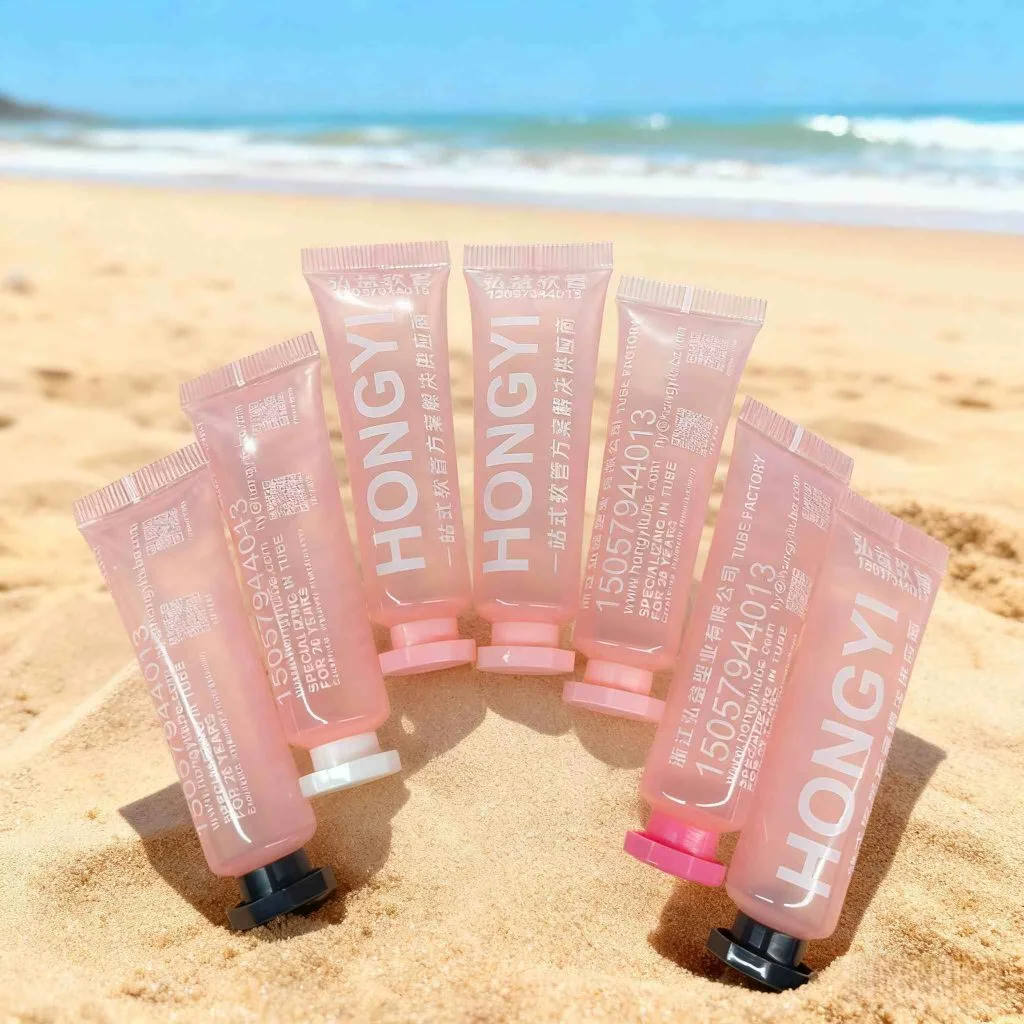
Shut systems matter for keeping good strength after opening. Proof-of-no-touch shut parts build faith by showing newness and safety. Flip-top caps cut touch while giving ease. For one-time uses or exact serums, droppers or pointed-tip split tubes work best—they bring use and less threat of dirt.
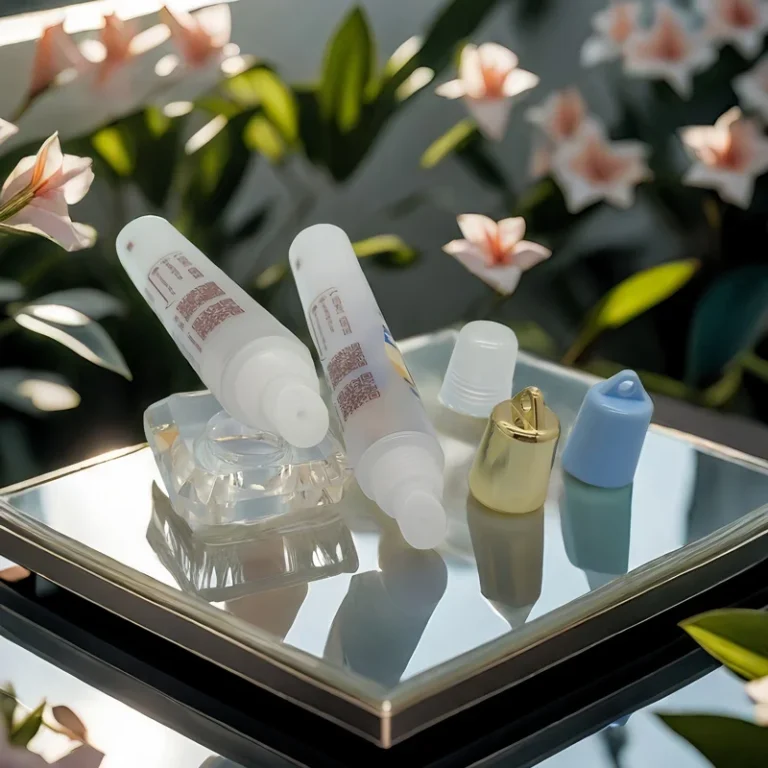
The tube body: clear with side printing matched with an inside slant plug and clear twist cap shows how careful planning blends clean ways and nice looks.
Which Packaging Types Align With Different Skincare Formulations?
Each skincare recipe acts in its own way—from how it pours to how it reacts—and needs custom holder fixes.
Why You Should Match Container Type With Product Viscosity
Easy lotions gain from soft tubes or pump bottles that let smooth giving out. Yet, heavy creams might need big-mouth pots or strong-turn pumps for simple reach. Serums do best in droppers that allow careful putting on without spills.
How Material Rigidity Supports Functionality Across Product Categories
Material hardness touches both ease of use and sight impact. Hard PET holders keep form under push for steady giving out, perfect for big-sized goods. Bendy tubes suit soft creams better and work for trips because of low weight and strength against leaks.
For oil-based fancy serums or face oils, glass stays a strong pick due to its no-react nature and heavy feel—but it might not fit for moving-around goods because of the break risk.
Where Can You Source High-Quality Skincare Packaging That Meets All These Needs?
Choosing the right packaging team is as vital as picking your key parts. You need a group that gives custom work, follows field rules, and allows bends in design.
Why Working With a Specialized Manufacturer Simplifies Your Workflow
When finding sure packaging made for skincare recipes, Hongyi Plastic shines as a skilled partner. Started in 2009, they focus on cosmetic hoses for skincare, medicine, food, and work uses. Set up in 2009, with “cosmetic hoses” at the heart, they bring only OEM ODM custom one-stop help.
Fitted with ISO9001-checked making lines and over 35 tools, they give both big making power (up to 6 million units each month) and small custom bends through mold building and test making. Their base stuff comes from known sellers worldwide in Japan, Brazil, Qatar—and their think team has more than 20 rights in packaging new ideas.
This setup lets them handle all sorts of needs, from simple stock items to full custom designs that fit exact brand looks. Their long years in the field mean they know the small details of what makes packaging work well for skincare. Plus, with a focus on quality checks at every step, you get goods that meet global safety marks without hassle. Working with them cuts down on time spent chasing samples or fixing errors, so you can pour energy into growing your line instead.
Which Specific Products Are Worth Considering for Your Line?
If your brand wants both strong keeping power and nice shine in serums or key parts, Hongyi Plastic’s high-quality PE soft tubes make a fine pick. This type mixes real use with eye-pleasing style—ideal for brands aiming at high-end spots while making sure recipe are safe.
For exact-use needs like pimple spot fixes or eye serums, the Ø19 mm tube lets users give out just the right bit without a chance of dirt.
Beyond these, Hongyi Plastic offers a wide range of options, like tubes with special caps or bottles in various sizes, all built to handle different formulas without issues. Each product comes with details on how it fits certain uses, helping you match it to your needs. Their team can even guide you on colors, prints, and finishes to make your packaging stand out on shelves or in online shops. This level of support turns sourcing into a smooth process, letting you focus on what matters most—creating great skincare that buyers love.
FAQ
Q: What’s the best packaging option for natural skincare products?
A: Natural mixes often face risks from light, air, and germ spread—so airless pumps from dark stuff work best to stretch shelf time without added guards.
Q: Is glass always better than plastic for skincare packaging?
A: Not always—glass gives a top shield but weighs more and breaks easier; good plastics like PET or PP can match that guard with more bend in shape.
Q: Can I use one type of container across my entire skincare range?
A: It hinges on your good thicknesses—thin flows might need droppers, while thick creams call for pots or pumps; fitting holder types makes sure the best user joy for each item.