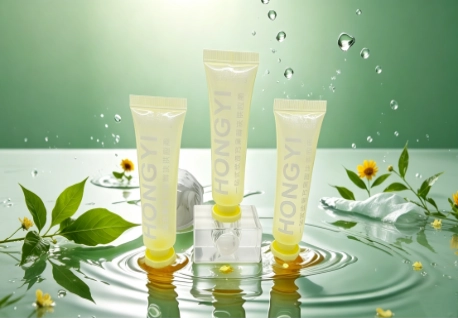
Today’s beauty shoppers care about more than just color, scent, and marketing claims. They pay attention to the amount of wrapping around an item. They notice if a container seems wasteful. They also think about what occurs once the item is empty. This change brings a real hurdle for cosmetic brands. Sustainable cosmetic packaging has to keep the formula safe. At the same time, it needs to look good and stay easy to use.
No single container can fix every environmental problem. A lightweight recyclable tube might work best for a specific face wash. Meanwhile, PCR plastic tubes could fit a different item perfectly. Making the proper choice relies on several factors. These include how the formula reacts with the material and local recycling setups. Visual design, shipping methods, and user habits matter too.
Em Hongyi Plastic, we assist companies in creating custom cosmetic tubes based on these actual demands. You will find ten eco-friendly cosmetic packaging ideas below. These options help cut down on extra materials. Plus, they still deliver great performance and look attractive on store shelves.
Choose Materials with a Clear Environmental Purpose
Material selection is the foundation of eco-friendly cosmetic packaging, but the most fashionable option is not always the most suitable. A package that fails to protect the formula may create more waste than it saves. Brands should compare recyclability, recycled content, barrier needs, weight, and product compatibility before approving a structure.
1. Use Recyclable Single-Material PE Tubes
Recyclable cosmetic tubes become easier to sort when the tube body uses a simple material structure. Single-material PE tubes can be a practical direction for facial cleansers, hand creams, body lotions, hair products, and other compatible formulas.
Brands should still review the cap, shoulder, printing, coatings, and local collection system. “Made with PE” does not automatically mean that every market will recycle the finished package. Keeping the structure simple and limiting mixed materials can improve its recycling potential.
Nossa serviço de tubos cosméticos personalizados includes single-layer PE options, adjustable tube dimensions, and different cap and surface treatments.
2. Add Post-Consumer Recycled Plastic
PCR plastic tubes use resin recovered from products that consumers have already discarded. Adding PCR content can lower demand for virgin plastic and give existing material another useful life.
The correct percentage depends on appearance, color, tube strength, formula compatibility, and local rules. Recycled resin may show small shade or surface differences, so brands should decide whether a natural recycled appearance fits their design. Testing is especially important for light colors, transparent effects, and sensitive formulas.
At Hongyi Plastic, we are willing to work with partners on packaging containing PCR recycled material and review the structure around each project.
3. Reduce Tube Weight Without Weakening Performance
Lightweight packaging uses less material for every unit produced. It can also reduce shipping weight, which matters when thousands of tubes travel from the factory to filling sites, warehouses, and retailers.
However, reducing weight should never make a tube difficult to fill or easy to damage. Wall thickness, shoulder strength, sealing, cap fit, and repeated squeezing all need to be checked. A lightweight tube is successful only when it continues to protect the cosmetic formula throughout its expected life.
Nossa 19 mm PE travel-size tube weighs approximately 2.1 g without its cap and supports capacities from 10 mL to 25 mL.
4. Select a Barrier Structure Based on the Formula
Some brands choose the thickest or most complex tube because it seems safer. That can add material that the product does not need. A better approach is to study the formula’s sensitivity to oxygen, light, moisture, oil, alcohol, or other active ingredients.
A simple PE tube may work for a stable cleanser. A more sensitive cream may require a multi-layer barrier. Compatibility and storage tests help brands find the lightest suitable structure rather than relying on guesswork. This balance is central to responsible, sustainable cosmetic packaging.
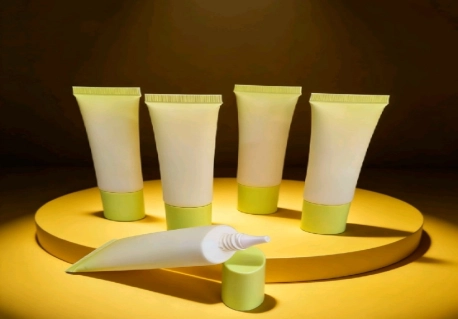
Design Packaging That Helps Consumers Waste Less
Environmental impact is not limited to the material itself. A poorly designed opening may release too much cream. An unstable cap may cause leakage. A tube that cannot be squeezed effectively can leave usable formula inside. Good packaging design helps consumers use the correct amount and finish more of what they purchase.
5. Match the Opening to the Product’s Viscosity
A narrow opening works well for concentrated serums, eye creams, spot treatments, and other formulas used in small amounts. Thicker masks, cleansers, and body products may need a wider opening to dispense smoothly.
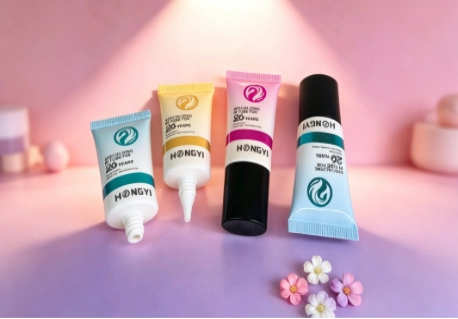
The correct aperture gives users greater control and reduces accidental overuse. It also keeps the product experience comfortable. Our small 16 mm pointed-tip PE tube has a 10–15 mL capacity and supports precise dispensing for localized cosmetic care.
Before production, brands should test the actual formula rather than judging the opening with water alone.
6. Choose the Right Capacity for Real Consumer Use
Oversized packaging can create two kinds of waste: extra packaging material and unfinished product. A better capacity reflects how often consumers apply the formula, how much they use each time, and how long the product remains suitable after opening.
Travel sizes and trial packs allow customers to experience a formula before buying a larger amount. Standard sizes may suit daily routines, while larger formats can reduce packaging per milliliter for frequently used family products.
Hongyi Plastic offers capacities from approximately 3 mL to 350 mL across our cosmetic tube product range, helping brands match the package to the intended use.
7. Develop Refillable or Reusable Travel Formats Carefully
Small refillable tubes can help consumers carry products they already own instead of buying repeated travel packs. This idea works well for compatible cleansers, shampoos, lotions, hand creams, and body products.
A refillable design must be easy to open, fill, close, clean, and dry. If cleaning is difficult, the package may not be reused as intended. Clear instructions are valuable because consumers need to know which formulas are suitable and how long the container should remain in use.
Brands must also avoid calling a package reusable when it has not been tested for repeated filling, washing, squeezing, and closing.
Make Decoration and Production More Responsible
The tube body is only one part of sustainable cosmetic packaging. Heavy decoration, unnecessary secondary boxes, rejected samples, and inaccurate production planning can increase waste. Brands can often make meaningful improvements by simplifying artwork and confirming technical details early in development.
8. Use Clean, Minimal Decoration
Minimal design does not mean plain packaging. A carefully selected tube color, clear typography, and one strong visual element can create a premium appearance without excessive decoration.
Brands can reduce the number of print colors, limit full-surface coatings, and avoid decorative parts that make material separation more difficult. Screen printing, offset printing, hot stamping, labels, matte varnish, and glossy effects should be chosen for a clear purpose.
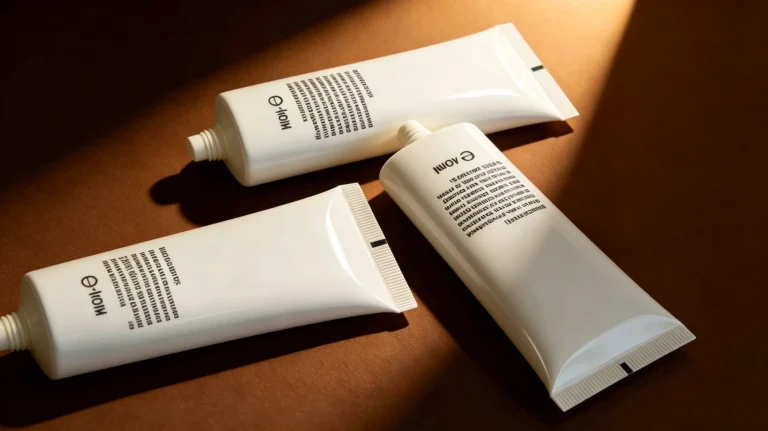
For example, our 30 mL oval PE tube combines a simple green-and-white design with controlled printing and a pointed dispensing structure.
9. Remove Unnecessary Secondary Packaging
A folding carton can protect a delicate product, carry required information, or improve tamper evidence. When it serves none of these functions, it may simply add material and shipping volume.
Brands should ask whether instructions can appear on the tube, a peel-back label, or a digital information page. Bundled plastic wraps, large inserts, decorative trays, and oversized boxes should also be reviewed.
When secondary packaging remains necessary, size it closely around the product and select materials that are widely recyclable in the target market. Smaller packaging also lets more units fit into each shipping carton.
10. Test Early and Plan Production Accurately
Preventing rejected packaging is one of the most practical environmental actions a brand can take. Incorrect artwork, poor cap fit, unsuitable colors, leakage, and formula reactions can turn finished components into waste.
At Hongyi Plastic, our process can include requirement review, packaging design, sample development, mold development, production, inspection, warehousing, and delivery. Brands provide samples or drawings, then approve physical samples before mass production.
Useful pre-production checks include:
- Formula compatibility and storage testing
- Tube recovery after repeated squeezing
- Cap fit, leakage, and opening force
- Filling and tail-sealing performance
- Artwork position and color accuracy
- Transport and drop testing
- Packaging quantity based on realistic demand
Accurate forecasting also matters. A pilot order or carefully planned annual agreement can reduce surplus stock, outdated artwork, and unused packaging.
How Hongyi Plastic Supports Sustainable Packaging Projects
We have focused on plastic tube packaging since 2009, combining research, mold development, manufacturing, and supply-chain support. Our tube diameters range from 13 mm to 60 mm, with color, capacity, length, shape, printing, closure, and barrier structure adjusted to each brand’s needs.
For eco-friendly cosmetic packaging projects, we can discuss single-layer PE, multi-layer structures, PCR plastic tubes, lightweight formats, and suitable decoration methods. We also provide OEM and ODM support, sampling, quality inspection, and after-sales service.
Sustainability claims should always reflect the finished package and its target market. We therefore encourage brands to confirm recycled content, formula compatibility, local recycling conditions, and any required compliance documents before printing environmental statements.
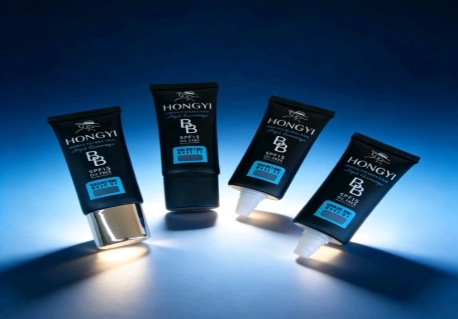
Conclusão
Eco-friendly cosmetic packaging begins with informed choices, not a single fashionable material. Recyclable cosmetic tubes, PCR plastic tubes, lighter walls, accurate capacities, controlled openings, and simpler decoration can all reduce waste when they are matched to the formula and market. Early testing also prevents failed packaging from reaching mass production.
At Hongyi Plastic, we help brands connect environmental goals with practical tube performance. Our custom cosmetic tubes can be developed with different materials, capacities, closures, print methods, and barrier structures. By reviewing the full package rather than one isolated feature, brands can create packaging that protects the formula, satisfies consumers, and makes environmental claims more credible. A thoughtful tube may use less material, waste less product, and still earn attention on the shelf.
FAQ
Q: What capacities are available for custom cosmetic tubes?
A: 0.003–0.350 L, roughly 0.003–0.350 kg for formulas close to water density.
Q: Can Hongyi Plastic produce PCR plastic tubes?
A: Yes. PCR content depends on appearance, formula compatibility, performance, and local requirements.
Q: Are all PE tubes recyclable cosmetic tubes?
A: Recyclability depends on the complete package and the collection system in the target market.