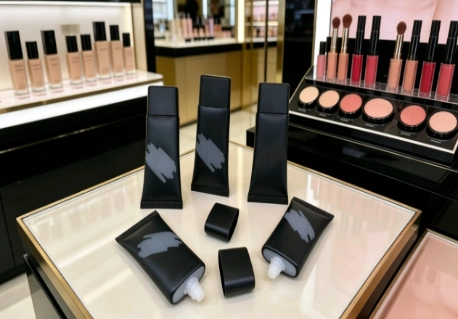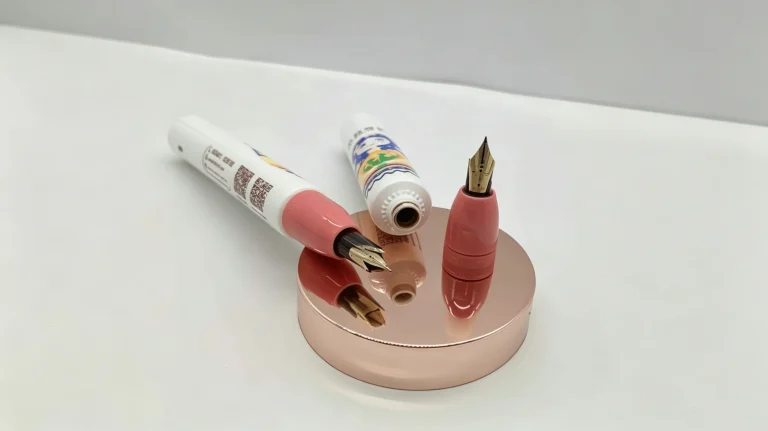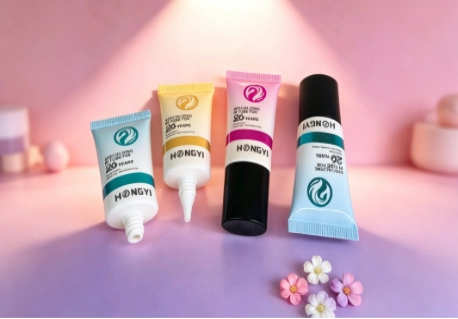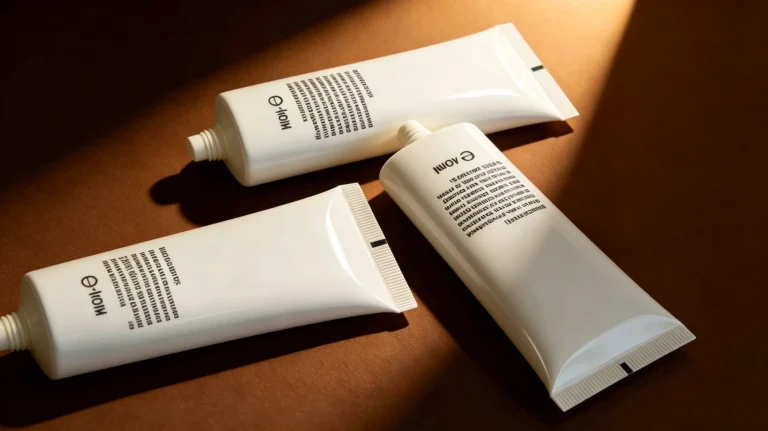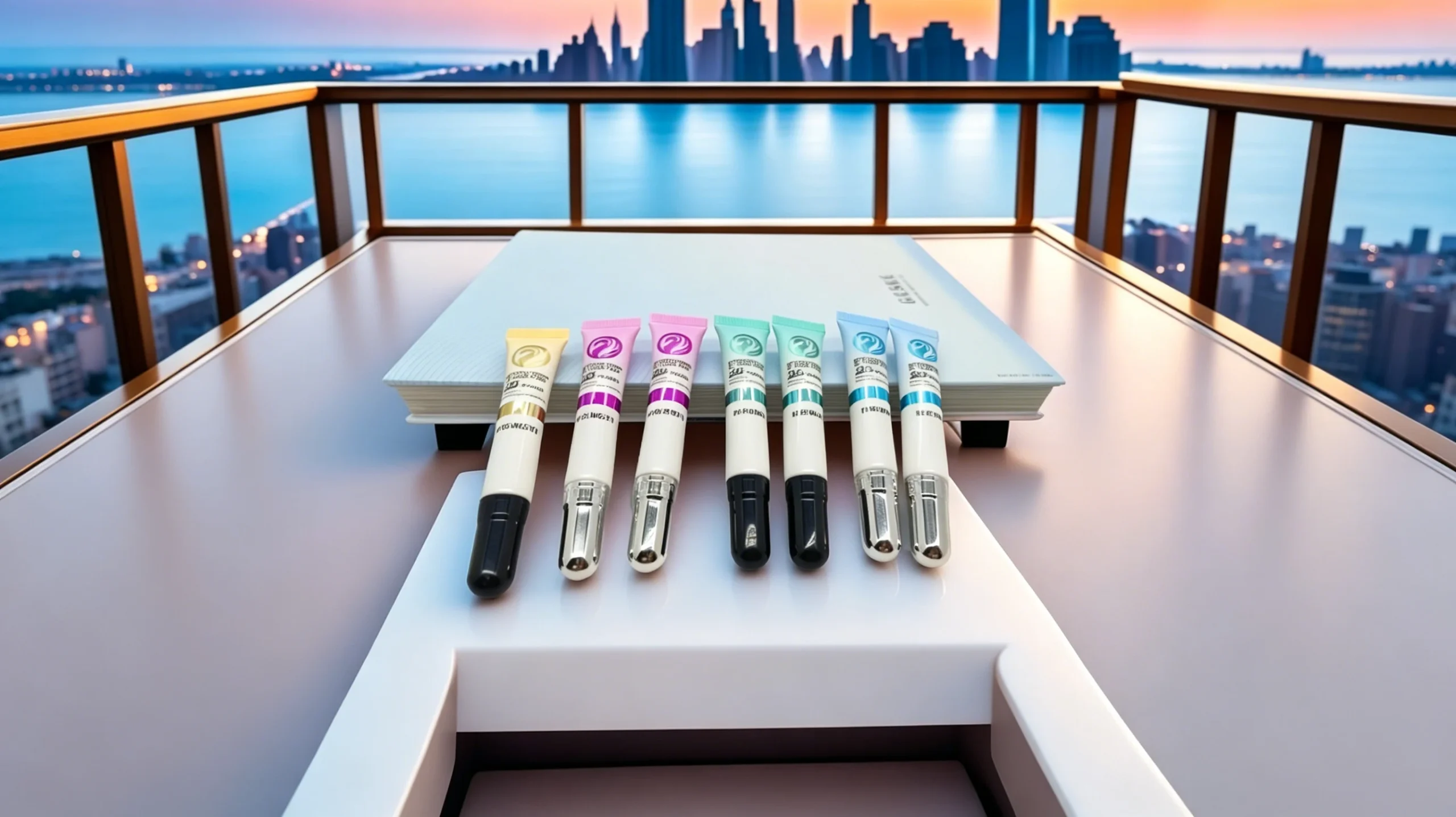
Os tubos de rímel são minúsculos. Mesmo assim, lavá-los corretamente exige mais esforço do que um simples enxágue com água. Um tubo de rímel padrão possui várias partes distintas, incluindo o corpo do frasco, a tampa e o aplicador. Ele também contém a escova, o gargalo, o limpador e a parte de vedação. Resíduos de maquiagem costumam secar dentro do tubo. Esse produto endurecido adere firmemente à escova e pode obstruir o limpador com facilidade. Consequentemente, esse acúmulo prejudicará aplicações futuras.
Em HongyiOferecemos embalagens para cosméticos, tubos plásticos para maquiagem, tubos plásticos funcionais, tubos para pincéis e serviços de embalagens personalizadas OEM/ODM. Nossos produtos auxiliam marcas de beleza na criação de embalagens úteis e atraentes.
Ferramentas necessárias para limpar um tubo de rímel
Antes de limpar, prepare uma área de trabalho limpa. O rímel pode manchar as mãos, as toalhas e as superfícies, por isso, usar utensílios simples facilita o processo.
Se o tubo estiver sendo testado para seleção de embalagem, registre o número da amostra, o tipo de escova, a condição do limpador e o resultado da limpeza. Essas anotações ajudam a comparar vários frascos de rímel vazios com mais clareza.
Evite produtos químicos agressivos
Produtos de limpeza agressivos podem danificar os componentes plásticos. Eles também podem desbotar as estampas. Além disso, esses líquidos fortes costumam deixar um cheiro desagradável. Podem até mesmo danificar a própria escova. Por isso, geralmente não são necessários.
Hongyi serviço de personalização Suporta diferentes materiais de tubo, formatos, tampas, métodos de impressão, estampagem a quente, rotulagem, verniz fosco, relevo, baixo-relevo e outros processos de superfície. Os testes de limpeza não devem danificar a superfície em condições normais de manuseio.
8 Melhores técnicas para limpar e reutilizar tubos de rímel
img.cosmetic cream tubes closeup.webp
Técnica 1: Mergulhe o tubo em água morna.
Água morna ajuda a amolecer rímel antigo. Por isso, é o melhor ponto de partida. Coloque o frasco, a tampa, o aplicador e a escova em uma tigela com água morna. Deixe de molho por cerca de 10 a 20 minutos. Em seguida, adicione um pouco de água dentro do tubo. Agite bem. Depois, descarte o líquido. Repita esse processo algumas vezes. Pare quando a água estiver quase transparente. Nunca use água fervente para essa tarefa. O calor extremo pode derreter o plástico facilmente e também pode danificar a tampa.
Técnica 2: Use sabão neutro para resíduos pegajosos
Algumas fórmulas de rímel contêm cera. Outras são completamente à prova d'água. Por isso, a água morna sozinha pode não ser suficiente para removê-las. Misture um pouco de sabonete neutro na água morna. Use essa mistura para limpar a área ao redor da abertura do gargalo do rímel. O produto seco geralmente se acumula nesse local específico. Certifique-se de enxaguar o recipiente várias vezes após a limpeza. Qualquer resíduo de produto de limpeza pode afetar os resultados de testes futuros.
Técnica 3: Remova e limpe o limpador de para-brisa.
Limpar o limpador pode ser um desafio. Essa pequena peça fica localizada dentro do bocal do pincel e regula a quantidade exata de fórmula que permanece no pincel. Se o seu limpador for removível, use uma pinça para puxá-lo com cuidado. Em seguida, lave-o com água morna e sabão neutro. Use um cotonete para esfregar a pequena abertura. Depois disso, deixe a peça secar completamente ao ar livre. Você só poderá recolocá-la quando estiver completamente seca.
Para frascos de rímel vazios, o limpador é uma peça fundamental. Ele deve encaixar firmemente e controlar o produto sem se soltar.
Técnica 4: Lave o pincel da raiz às pontas.
A escova geralmente retém a sujeira mais visível. Lave-a com água morna. Em seguida, esfregue cuidadosamente as cerdas entre os dedos enluvados, da base até a ponta. Evite puxar com muita força, pois isso pode deformar a escova. Às vezes, um pouco de sujeira permanece. Nesse caso, deixe a escova de molho em água morna com sabão. Após o molho, limpe-a com um pano limpo que não solte fiapos.
Técnica 5: Use uma escova de mamadeira estreita
O tubo de rímel tem um espaço interno muito apertado. Um pano comum simplesmente não cabe lá dentro. Em vez disso, use uma escova fina para frascos. Essa ferramenta remove facilmente qualquer resíduo de maquiagem das paredes internas. Despeje um pouco de água morna com sabão no recipiente. Pressione a escova cuidadosamente para baixo. Em seguida, gire-a suavemente. Evite esfregar com muita força. Pressionar com muita força pode arranhar o plástico interno. Também pode danificar a área delicada do gargalo. Essa técnica de limpeza é bastante útil se você pretende comparar frascos de rímel vazios. Alguns designs internos armazenam muito mais líquido do que outros.
Técnica 6: Agitar, Enxaguar e Repetir
Uma única lavagem raramente é suficiente. Adicione água morna até a metade do tubo. Em seguida, feche bem a tampa. Agite o recipiente suavemente. Depois disso, despeje o líquido. Continue repetindo esse processo. Pare quando o líquido estiver completamente transparente. Máscaras à prova d'água ou com fibras geralmente exigem várias lavagens. Às vezes, pode sair umidade enquanto você agita o recipiente. Se isso acontecer, verifique a tampa. Você também pode precisar verificar a vedação do gargalo com mais atenção.
Técnica 7: Seque completamente todas as partes
Após enxaguar, coloque o frasco, a tampa, a escova, a varinha e o limpador sobre uma toalha limpa. Deixe-os secar completamente ao ar antes de fechar o tubo.
Não feche um tubo úmido muito cedo. A água retida pode causar mau cheiro ou afetar testes futuros de amostras. Frascos de rímel vazios, limpos e secos, são mais fáceis de comparar e etiquetar.
Técnica 8: Reutilize o tubo com segurança
Um tubo de rímel limpo pode ser reutilizado para fins específicos, mas não deve ser tratado como uma embalagem cosmética nova. Pode ser adequado para líquidos que não sejam para os olhos, cola artesanal, gel de cabelo para viagem, amostras para demonstração ou treinamento em embalagens.
Hongyi fornece tubo de plástico para maquiagem Opções e suporte personalizado para embalagens cosméticas para marcas que precisam de amostras de embalagens limpas, práticas e prontas para uso.
Ideias práticas para reutilizar tubos de rímel limpos
Tubos de rímel limpos ainda podem ser úteis quando reutilizados com cuidado. Para os consumidores, a reutilização pode reduzir o desperdício. Para as equipes de marketing, amostras limpas podem ser úteis para demonstrações, treinamentos ou avaliações internas de embalagens.
Como escolher as melhores embalagens de rímel vazias para projetos de marca.
Verificar a decoração antes da produção em massa.
As embalagens de produtos de beleza devem ter uma aparência limpa e atraente. Em um pequeno tubo de rímel, a cor, o tamanho do logotipo, o acabamento e a posição da impressão são facilmente perceptíveis.
A Hongyi oferece serviços de serigrafia, impressão offset, verniz fosco, verniz UV, relevo, baixo-relevo, etiquetagem e outros processos de acabamento de superfície por meio de nosso serviço de embalagens personalizadas. É importante que as marcas analisem amostras físicas antes da produção em massa, pois a arte digital não consegue representar com fidelidade o efeito final da superfície.
Analise as opções de cabeças de escova e tubos funcionais.
Alguns produtos de beleza precisam de algo mais do que um simples frasco. Embalagens com escova aplicadora e aplicadores funcionais podem facilitar o uso do produto.
Hongyi fornece tubo de plástico funcional opções e tubo de plástico da cabeça da escova Produtos para marcas que desenvolvem embalagens cosméticas com base em pincéis.
Conclusão
A limpeza de um tubo de rímel pode ser útil para reutilização, estudo de embalagens e avaliação de amostras, mas deve ser feita com cuidado. Água morna, sabão neutro, limpeza com pano, lavagem do pincel, escovação das paredes internas, enxágue repetido, secagem completa e reutilização segura tornam o processo mais limpo e prático. Para o desenvolvimento de produtos de beleza reais, frascos de rímel vazios e novos ainda são a melhor opção, especialmente para rímel, sérum para cílios e gel para sobrancelhas. Na Hongyi, apoiamos marcas com design de embalagens cosméticas, personalização OEM/ODM, desenvolvimento de moldes, decoração de superfície, controle de qualidade e serviço de entrega. Marcas que buscam frascos de rímel vazios personalizados podem entrar em contato com a Hongyi para desenvolver amostras práticas de embalagens.
FAQs
Q"Qual o tamanho mais comum para frascos de rímel vazios?
A: 10 g/mL, 15 g/mL e 20 g/mL são opções comuns de amostra.
Q"Tubos de rímel limpos podem ser reutilizados para maquiagem dos olhos?
A: Frascos de rímel novos e vazios são mais seguros para testes cosméticos na área dos olhos.
Q"Qual é a quantidade mínima de encomenda (MOQ) da Hongyi para embalagens personalizadas?
A: Normalmente, os pedidos personalizados começam a partir de 10.000 conjuntos.