Material safety stands as an essential aspect in cosmetic packaging. Your packaging serves to shield the formulation. It also helps keep the product steady, secure, and useful as time passes. From following global rules to checking chemical matches and supporting eco-friendly practices, each part of cosmetic packaging needs to hit solid safety marks.
If you want guidance on secure cosmetic packaging creation and production, Zhejiang Hongyi Plastic Industry Co., Ltd. provides custom OEM/ODM packaging options. These come with worldwide approvals, strong research and development, and a solid history in the field.
Why Is Material Safety Critical in Cosmetic Packaging Design?
Material safety touches both user well-being and company image. As rules grow tougher, picking materials that follow guidelines and stay neutral is key.
Regulatory Compliance and Consumer Protection
Safety begins with fulfilling demands from key oversight groups like the FDA, EU REACH, and CFDA. These bodies require deep checks on packaging materials. The goal is to dodge pollution dangers. Certified by ISO9001 and ISO45001 quality system. This approval shows firm commitment to handling quality and worker safety. Plus, production qualifications cover a business license, printing license, ISO certification, varnish test report, and ink test report. All these promote clear processes in the supply chain.
Chemical Compatibility With Cosmetic Formulations
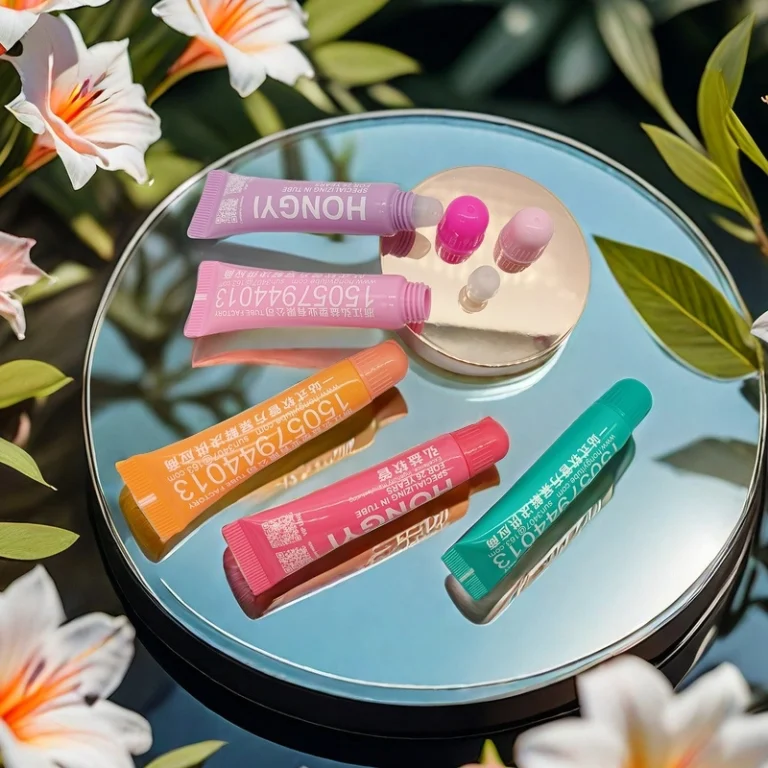
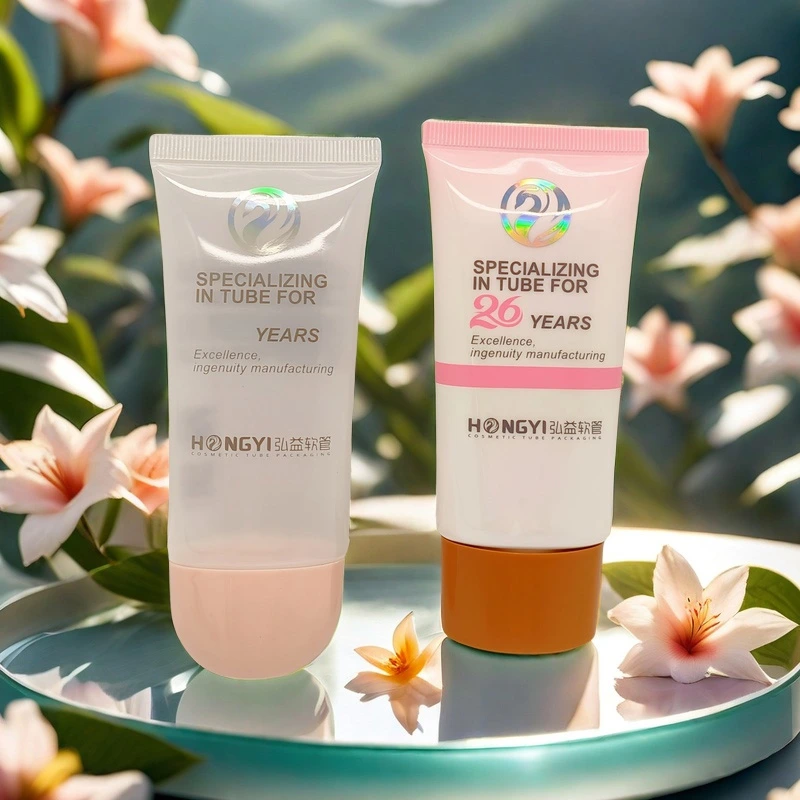
The packaging cannot clash badly with the item inside. Materials ought to remain chemically neutral. This stops breakdown of key elements or leakage of risky compounds. The 30 PE plastic tube refilling bottle uses top-grade PE. It shows strong defense against skincare mixes like lotions and creams. This item fits well for delicate uses, such as facial cleansers and eye creams.
Long-Term Stability and Shelf-Life Assurance
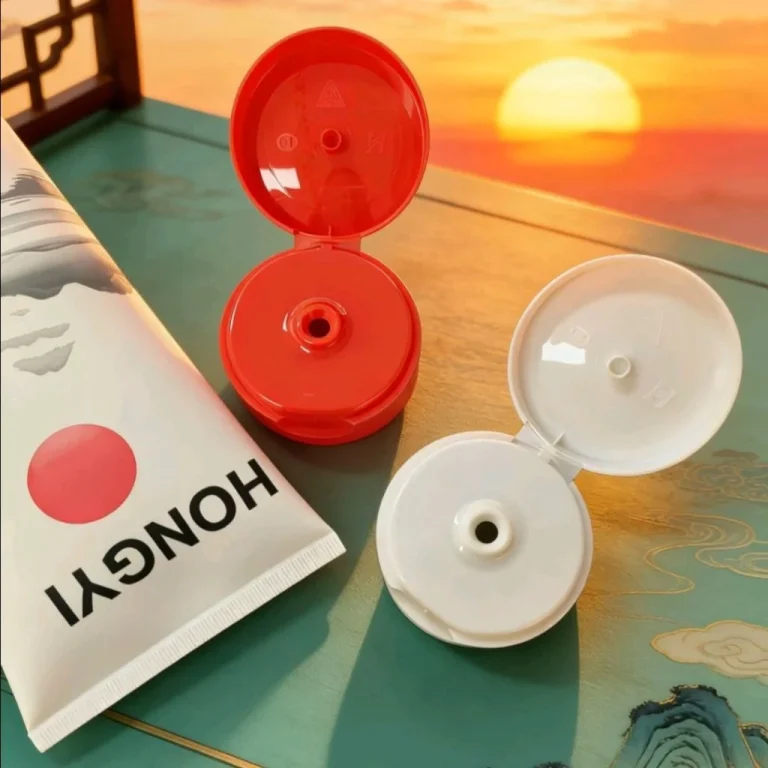
Keeping chemicals steady over periods is crucial. Materials get chosen not only for quick matches but also for holding protective qualities in different settings. The 55 PE plastic tube refilling bottle proves great sealing and toughness. It has a gentle surface on the tube body. The flip-top cap guarantees no leaks. This setup supports secure storage and lasting product wholeness.
How Can Packaging Materials Be Evaluated for Toxicity Risks?
To cut down health threats, checking toxicity calls for modern lab work and smart sourcing choices.
Migration Testing and Extractables Analysis and Extract
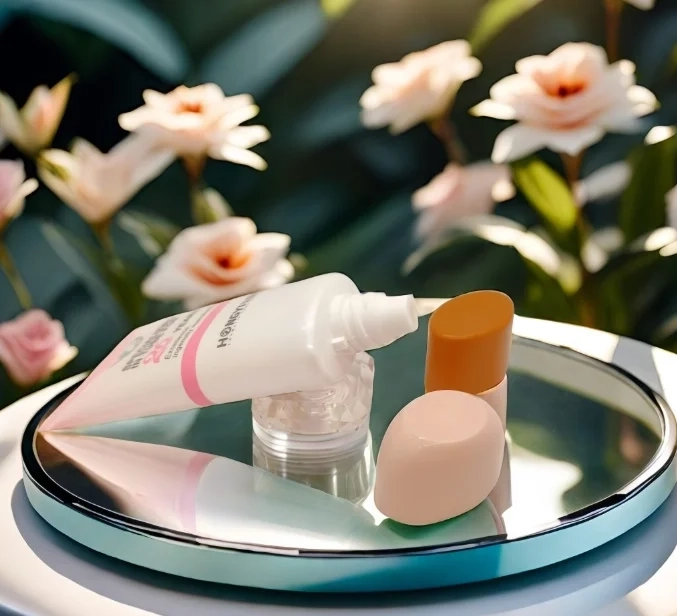
Methods like high-performance liquid chromatography (HPLC) and gas chromatography spot items that might shift from the packaging to the product. The 35 oval plastic tube goes through strict check routines. These confirm it hits global safety levels for extractables and leachables.
Use of Non-Toxic, Food-Grade Raw Materials
Picking FDA-cleared or food-safe polymers lowers chances of bad contact. Hongyi raw materials come from leading global providers in Qatar, Brazil, Japan, and other sectors. They also draw from state firms like PetroChina and Sinopec. This setup brings steady quality, security, and breakdown ease right from the start.
Third-Party Certification and Material Declarations
Sheets like Material Safety Data Sheets (MSDS) and approvals such as SGS or ISO 8317 back up safety statements for packaging materials. Production qualifications include a business license, printing license, ISO certification. These play a big role in handling worldwide rule setups.
What Role Does Barrier Performance Play in Material Safety?
Barrier features form a core part of keeping product quality steady during its full use period.
Protection Against Oxygen and Moisture Ingress
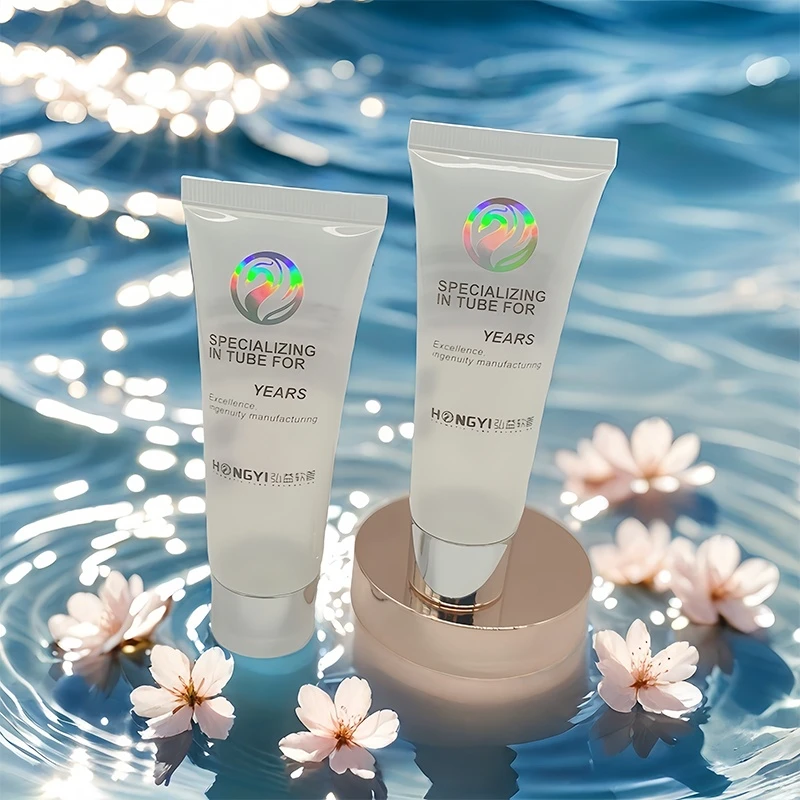
Dampness or air can harm touchy cosmetic blends. Layered PE builds give firm block against these factors. The 30 PE plastic tube refilling bottle delivers a tight seal. This boosts resistance to breakdown from air. It also stops germ spread.
Resistance to UV Light and Volatile Losses
Light from UV sources can cause light-based wear on actives like retinol or vitamin C. Materials stabilized against UV keep strength intact. They also halt scent fade.
Compatibility With Airless Dispensing Systems
Systems without air cut user contact with outside germs each time. Tubes that can be adjusted work with pump tops or twist caps for these setups. This boosts cleanliness. At the same time, it keeps looks and ease in check.
How Do Manufacturing Processes Influence Material Safety?
Safety goes beyond just materials. The ways they get shaped count just as much.
Cleanroom Production Standards and Hygiene Controls
Clean making spaces lower pollution chances. The 100,000-grade GMPC workshop holds two setup lines and 35 devices. This strengthens production that follows GMP rules for cosmetic packaging.
Advanced Extrusion and Lamination Techniques
Pushing out layers in multiples makes sure barriers spread evenly over the tube side. Bonded layers can fit exact block needs. They do this without hurting reuse options or handling simplicity.
Quality Assurance Through In-Line Inspection Systems
Spotting flaws right away checks size correctness, seal strength, and even wall depth. Production workshop: fully automated production, providing uniformity that supports material safety at scale.
What Are the Environmental Considerations Related to Safe Materials?
Safe materials need to fit with care for the surroundings too.
Use of Recyclable and Sustainable Polymers
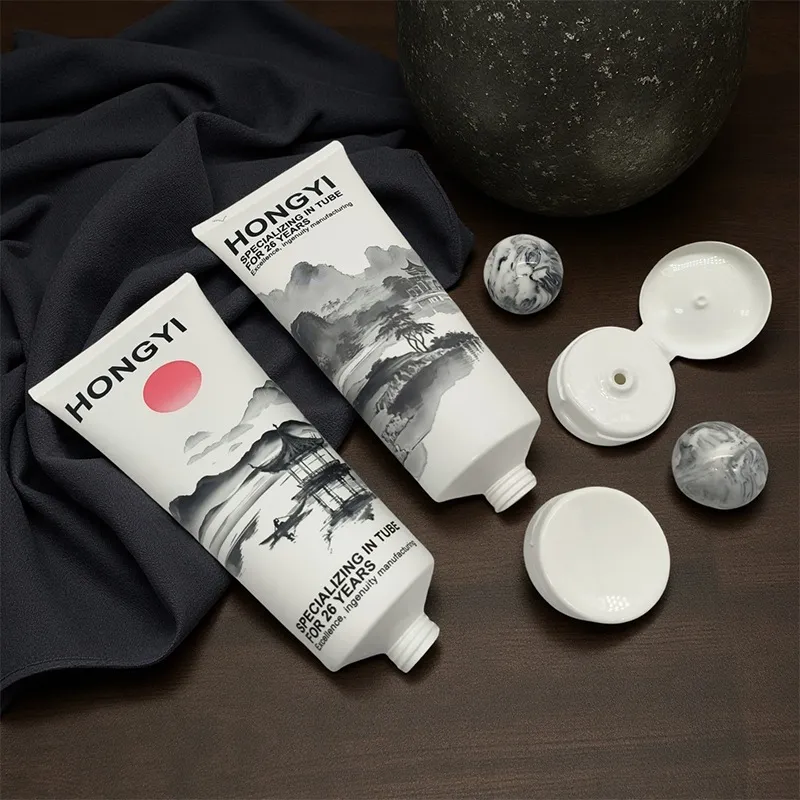
Opting for plastics that can recycle does not mean giving up on security. The 55 PE plastic tube refilling bottle uses PE that recycles. It gets built for repeated use. Washing leaves little leftover.
Minimization of Hazardous Additives During Production
Steering clear of metals that weigh heavy, phthalates, or additives with halogens is a must. Mixes without extra bits are on offer for brands in clean beauty. These aim for full openness on parts.
Lifecycle Assessment of Packaging Materials
A look at the full life cycle checks surroundings hit from pulling raw stuff to tossing it out. Fine-tuning plans for less material use aids in hitting both security and green aims.
How Can Customization Impact Material Safety in Cosmetic Packaging?
Customization goes past just looks. It can shape safety output straight.
Tailored Formulations Based on Product Chemistry
Packaging fits to pH touchiness, thickness, and reaction of blends. Our company focuses on establishing long-term and stable cooperative relationships with customers and provides a variety of cooperation models, including joint development for brands requiring specific compatibility assurance.
Selection of Closures, Applicators, and Surface Treatments
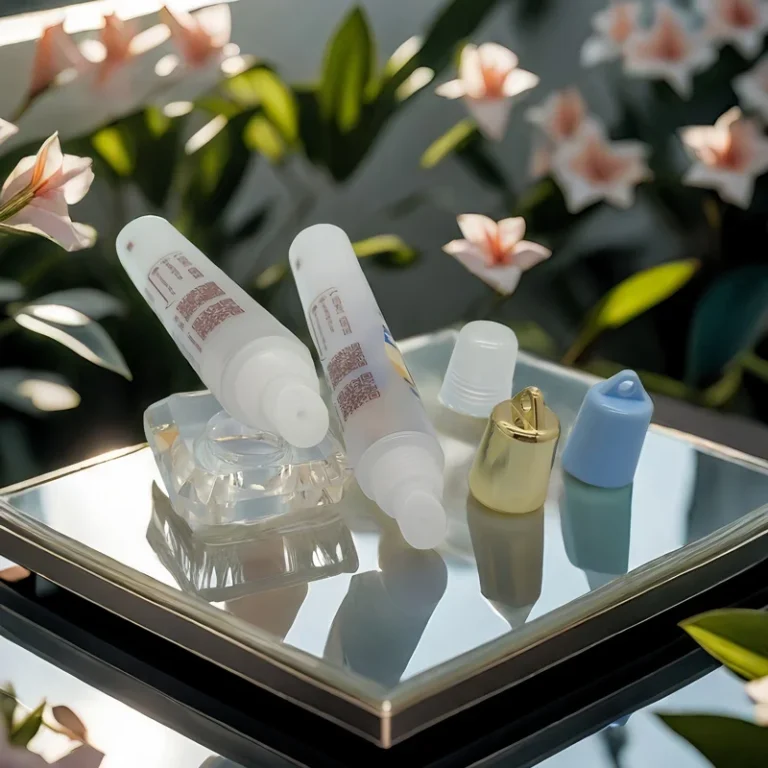
Picking matching ends like brush tips or twist caps keeps product security over use rounds. Covers such as UV layer get checked for no clash with key skin care parts.
Branding Without Compromising Compliance
Print work that is custom must stay under shift limits. This avoids color move to products. Ways to print cover offset printing — varnishing, silk screen printing, hot stamping, labeling. All get cleared for use on plastics graded for cosmetics.
What Should Brands Look for When Choosing a Safe Packaging Supplier?
Picking the best provider locks in steady rule-following without losing fresh ideas.
Proven Track Record in Cosmetic Packaging Industry
Time in global spots shows trust in hitting hard demands. Founded in 2009, our company specializes in cosmetic hoses (for the pharmaceutical and food industries) and offers exclusive OEM/ODM customization services.
Transparent Communication on Material Specifications
Providers ought to share entry to tech sheets, check outcomes, and rule papers. All relevant documents can be accessed through the official website under the customization section.
Capacity for Innovation Without Sacrificing Compliance
Strong research skills keep your mark ahead. This happens while sticking to changing safety marks. Collaborate with renowned research institutions to continuously develop and launch new technologies and products.
FAQ
Q1: How do I know if cosmetic packaging materials are safe? A: Look for suppliers that offer certifications like ISO9001/ISO45001 and provide detailed MSDS along with migration testing results.
Q2: What makes PE plastic a preferred choice for cosmetic tubes? A: PE plastic is chemically inert, lightweight, recyclable, and offers excellent barrier properties against moisture and oxygen.
Q3: Can customized tubes maintain regulatory compliance? A: Yes. When properly engineered using certified inks and compatible closures, customization does not compromise safety.
Q4: How does barrier performance affect product shelf life? A: Superior barrier properties prevent oxygen ingress, moisture exposure, and UV degradation—factors that directly impact product stability.