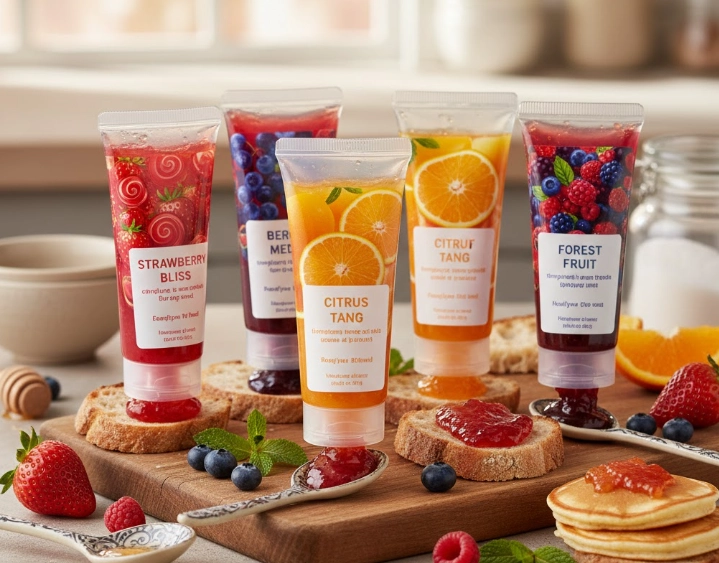
At Hongyi Plastic, we see the food sector changing fast in how items get to homes. For years, glass jars and stiff plastic tubs owned the market for sauces, jams, and spreads. But looking ahead to 2026, folks demand easy handling, accurate pouring, and eco-friendly picks. This drives companies to softer options. If you lead a brand or manage purchases, you understand that the container choice shapes your item’s store draw and how long it works well.
Before we jump into details on materials and machines, team up with a maker who connects factory scale and custom styles. If you want a partner skilled in flexible holding, Hongyi Plastic leads the way as a key expert. We started in 2009 and run a 100,000-grade GMPC workshop. We blend long research skills with a personal touch for OEM/ODM services. We go beyond supplying tubes. We aid in creating a solid, secure, and smart system for your line. With more than 100 mold sets and a daily run of 100,000 pieces, we provide the quickness needed for fast direct-to-consumer starts and major factory spreads. Our focus on prime global raw supplies makes sure each tube stays safe and attractive.
The Shift in Food Packaging Trends: Why Tubes are Winning
The change from hard to bendy packaging goes beyond style. It stems from buyer habits. Current shoppers prize “squeeze-and-go” speed. For business-to-business food firms, this move gives a fresh chance to fix usual troubles like air damage and sloppy ways to serve. Jars let air in whenever you twist off the top. A tube, however, keeps air out for the most part. Thus, it guards the taste of upscale jams or unique sauces.
As 2026 approaches, views on “Custom Food Tube Packaging” center on exact pouring and better block methods. You do more than offer a good. You deliver a steady user feel from the first press to the end. This shift calls for a firm hold on how various materials mix with natural food elements.
Top Materials for Food-Grade Safety and Stability
Choosing the proper material forms the base of any strong food item rollout. In the food area, the link between tube side and contents counts a lot. You need the material to block light, air, and dampness enough to avoid rot.
Beyond Standard Plastics: The Barrier Debate
For typical food jobs, pick between All-Plastic PE and Aluminum-Plastic blends. All-plastic tubes show a “memory” trait. They bounce back to first form after you squeeze. This holds your label in view. Yet for air-tender goods like natural fruit holds, Aluminum-Plastic blends deliver a top block coat. It keeps the soft shades and vitamins in your food safe from breakdown as time passes. Such protection helps keep quality high. Brands test these often to fit their goals. In the end, smart choices lift shelf time and buyer faith. We at Hongyi Plastic guide clients through these picks to match needs just right.
The PCR Revolution and Sustainability
Come 2026, green ways are a must, not an add-on. Post-Consumer Recycled (PCR) plastics turn into top habit. You may select materials that cut your line’s carbon mark a good deal. At the same time, they hold firm food-touch safety rules. Top makers like us process these reused items so they match fresh plastics in guard and clear style. This lets you meet shopper calls for earth-kind packs without dropping standards. Many outfits now choose PCR to shine in shops. It builds trust and fits rules better too.
Adhering to Global Safety Standards
As you check materials, hunt for seals like ISO9001 and ISO45001. These mean more than tags. They show a pledge to quality control and guard. For food-grade packs, base supplies come from solid world sources. This sets steady hold and break-down ease right from chain start.
Spotlighting the Industry Favorite: The 40mm Plastic Tube
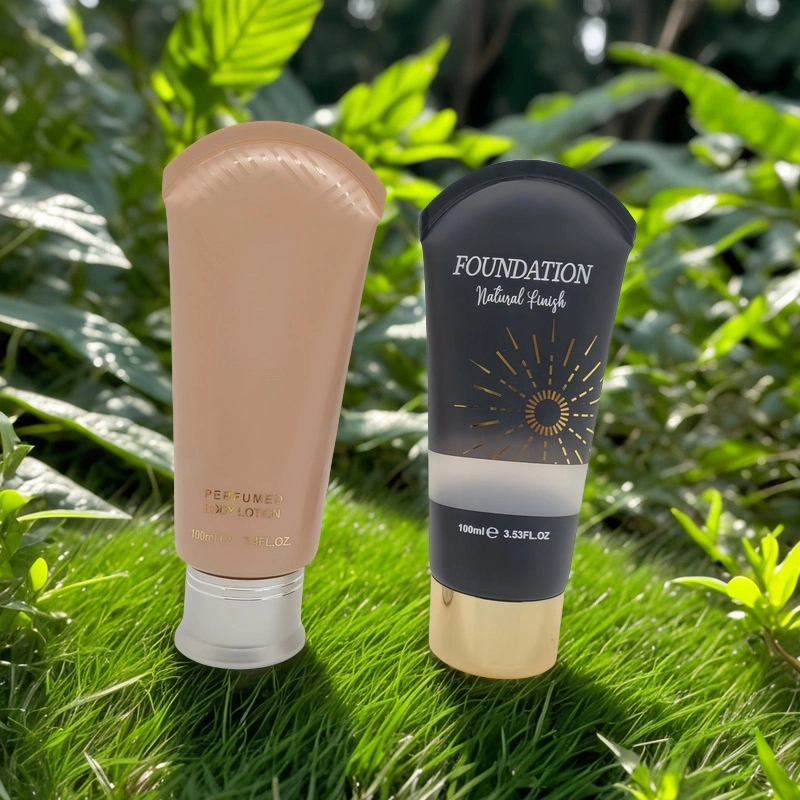
In custom food pack worlds, some sizes gain fans for mixing hold with easy use. The 40mm wide tube stands out as the all-round pick for items from honey to fine mustard.
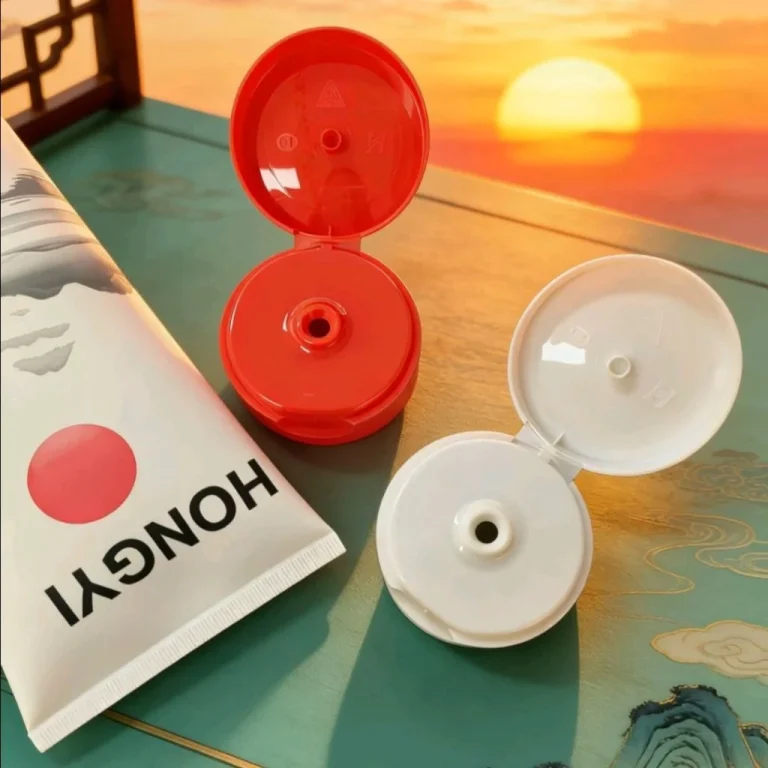
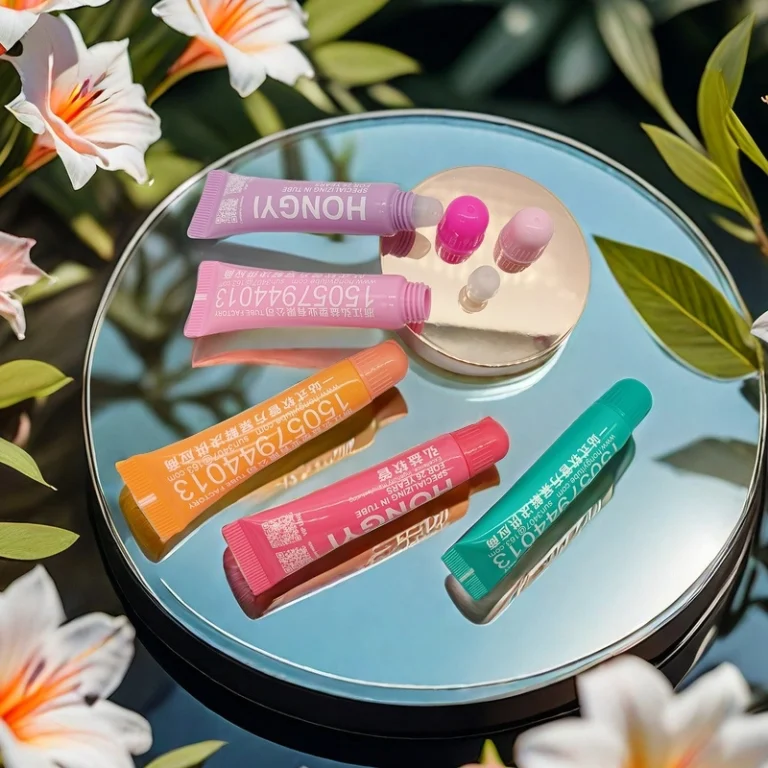
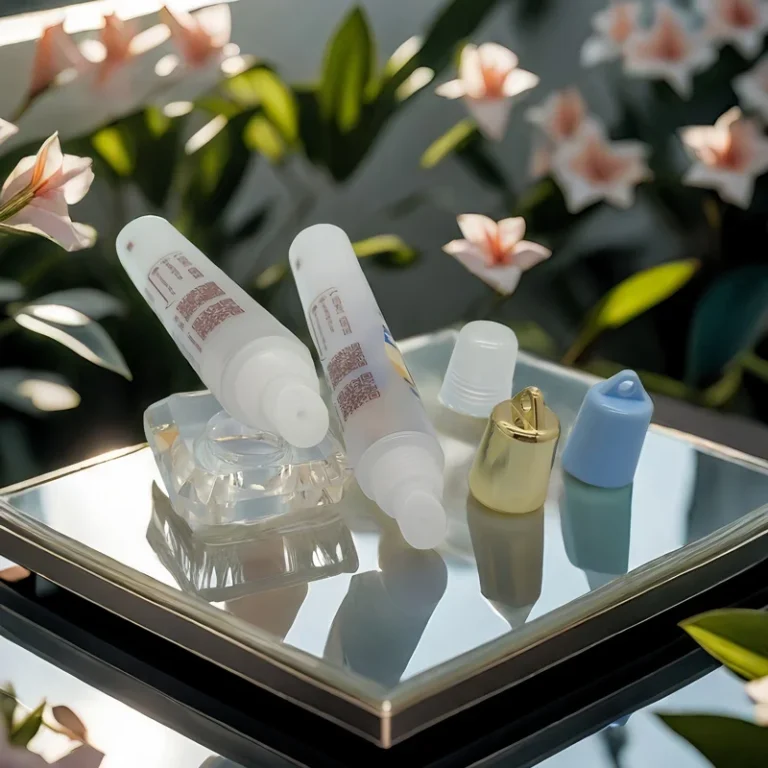
From many picks out there, the 40 Plastic Tube Packaging For Empty Bottles serves as a strong option for lines aiming to boost their show. This exact width gives space for detailed labels. Plus, it sits nice in a buyer’s grip.
B2B Advantages of the 40mm Specification
Weigh the hand-fit and range of this setup. It carries enough for home tasks. But it stays small for move-about days. Also, the style effect stands large. Using better offset and silk-screen print. These tubes hold up well too. They come with no-leak and anti-drip traits made for thick food goods. So buyers skip mess in cupboards. For business deals, this cuts come-backs and lifts joy. The width fits many setups, from tiny batches to full loads. It trims store costs as well. At Hongyi Plastic, we tailor these to your exact wants.
Essential Machinery for High-Efficiency Production
Fine material works best with solid machines that form it. For business buyers, the plant’s tech skill hints at steady goods ahead.
Automated Production and GMPC Environments
Guard in food packs begins at the work site. Hunt plants that use 100,000-grade GMPC (Good Manufacturing Practice for Cosmetics/Food-grade) guides. Auto build lines cut people slips and dirt chances. Thus, each tube group hits same strict quality levels. Quick join lines support daily yields that match rising line needs. This method keeps things clean and fast to fit food norms. We ensure our lines run smooth for top results every time.
Precision Sealing and Mold Flexibility
The close step, mainly “shoulder and tail sealing,” locks fresh hold. Current machines create air-tight bonds that take ship stress and temp changes. On top, ready shift-mold builds aid your line’s quick moves. With over 100 set molds on hand, you slash time and spend on new lines or short-run tastes. This smooths your work and holds costs down. Our setup lets clients adapt fast to market shifts.
Critical Considerations for B2B Buyers
Before you lock in the deal, sort out plan and tech blocks. A pro list makes the shift from sketch to drop smooth.
Technical Compliance and Supply Chain Stability
Always check tech notes on coat and ink for print work. They need to stay firm and not seep. From move views, check the Minimum Order Quantity (MOQ). For fine custom tubes, an MOQ near 10,000 sets holds common. Count on 5 to 20 days build time by craft detail. Straight talk here stops chain clogs in high times. It guards your steady flow. We keep open lines to avoid such hitches.
The Importance of Compatibility Testing
No two food items match in thickness or chem build. That’s why early sample checks matter. Send your food bits to the pack team. This matches hole width and tube inside layer just so. It stops woes like “oil separation” or “difficult dispensing” when goods reach racks. These tests save later headaches. Our process includes full checks for best fit.
Moving Forward with Professional Guidance
In 2026’s field, top lines mix solid goods with strong reach. Picking apt custom food tube packs shapes a key call. It touches your gains and buyer bond. By eyeing strong-block materials, exact machines, and a team for full aid from mold to post-help, you set your line for ongoing wins.
The path to sort these picks lies in getting skilled aid from a lead R&D crew. We offer clear leads on boosting your packs to hit next buyer needs.
FAQ
Q: What is the shelf life of food in plastic tubes compared to glass?
A: The shelf life depends on the barrier properties of the material. While glass is an absolute barrier, Aluminum-Plastic tubes offer a comparable performance by utilizing a thin layer of foil between plastic layers to block oxygen and light. This can maintain product freshness for 12 to 24 months, depending on the food’s preservatives and acidity.
Q: Can I customize the shape of the tube tail?
A: Yes. Modern machinery allows for various tail sealing shapes, including rounded corners, straight edges, or even custom die-cut shapes. This is a great way to add a unique “social currency” element to your packaging, making it more likely to be shared on visual social media platforms.
Q: What is the typical lead time for a custom tube order?
A: For a standard order with existing molds, the production cycle is typically between 5 to 20 days after the final sample is approved. If custom mold development is required, you should add an additional 1-3 days for the initial consultation and a few weeks for the physical mold creation and testing phase.