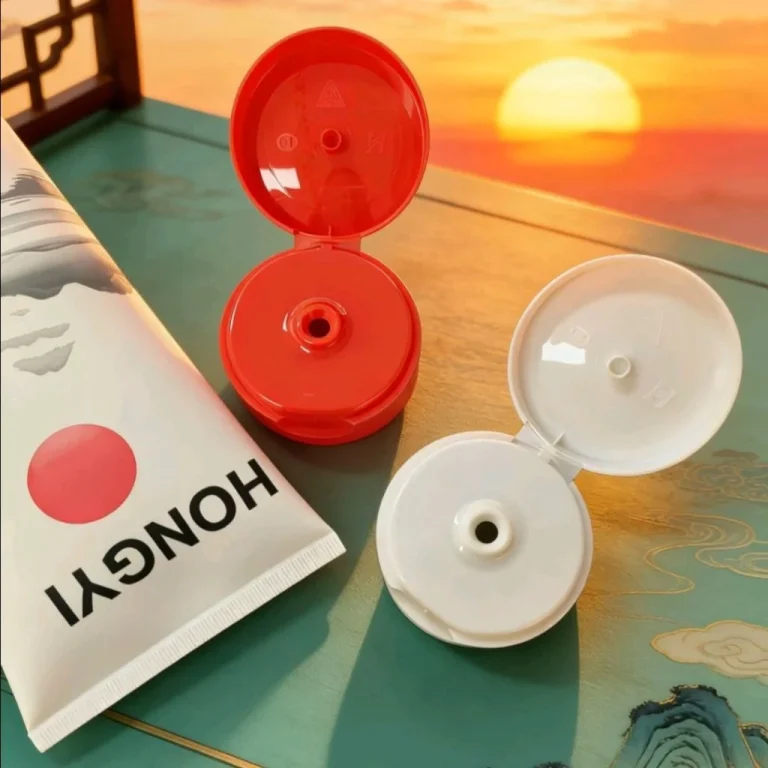
A cosmetic tube seal serves as far more than just a final touch—it acts as an important shield that guards the mixture’s quality, cleanliness, and useful life. The way the tube gets closed has a direct effect on stopping leaks, showing if anyone has opened it, and keeping the item in good shape over time. Picking the best closing approach turns into a real technical choice, rather than only a small part of the container.
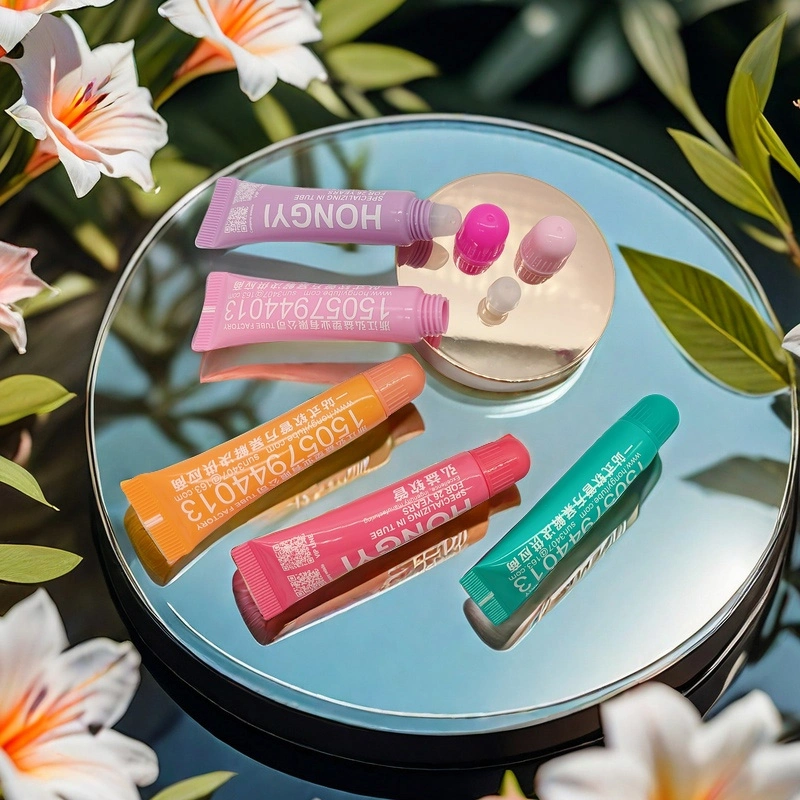
What Makes a Cosmetic Tube Seal Work Well?
Making sure a cosmetic tube closes tightly goes beyond looking nice—it proves necessary for keeping the product safe, lasting longer, and pleasing those who use it. Every choice about closing affects how well the mixture holds up from when it leaves the factory until someone puts it on their skin.
Why Does Closing the Tube Matter So Much for Keeping the Product Good?
Closing the tube plays a big part in protecting the cosmetic mixture. It stops air, water, and germs from getting inside. If this shield fails, delicate parts inside can break down from oxygen or lose strength, which cuts how well it works or even makes it go bad.
On top of protecting the mixture, closing also makes the item show clear signs if someone has tried to open it—a key way to build trust with buyers. It helps keep the mixture fresh and the same for a long time. For strong skincare items, like those with vitamin C or sun blockers, this protection cannot be skipped. The closed end also holds the tube’s shape strong during storage and moving, so nothing spills out.
How Do Various Materials Change the Closing Process?
Not every tube turns out the same. Tubes made from plastic, such as polyethylene (PE), or ones built in layers, react differently to warmth than tubes made from aluminum. Plastic tubes (PE or layered kinds) need special heat levels unlike aluminum ones.
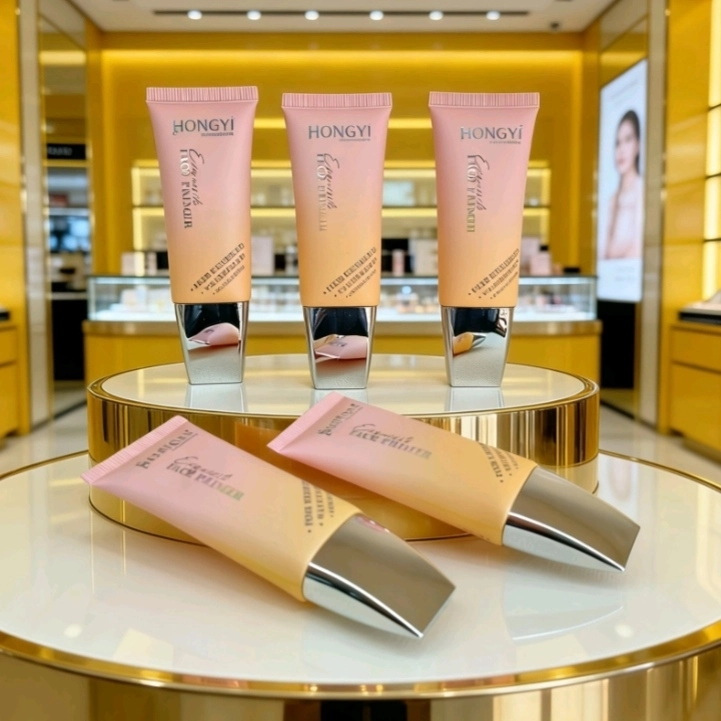
The thickness of the tube wall and extra protective layers like EVOH change both the warmth needed and how long to apply it for a solid close. Also, the closing tools must match the tube material well to create a lasting hold without bending or ruining the shape.
Which Closing Methods Appear Most Often for Cosmetic Tubes?
After choosing the tube material, the next important question focuses on the best way to close it. Several different ways exist, and each brings special advantages based on the kind of product and the speed of making it.
What Are the Main Ways to Close Tubes?
Three common closing approaches stand out in the world of making cosmetics:
- Hot air closing: This way heats the tube end with warm air and then squeezes it shut. Hot air closing works great for plastic tubes and creates neat closes with very little change in shape.
- Ultrasonic closing: This approach sends fast vibrations through the material to join the plastic without too much warmth—perfect for mixtures that might get harmed by heat or hold strong active parts.
- High-frequency closing: Built for quick production lines, this method gives exact closes in a short time. High-frequency closing helps when fast work and sharp accuracy matter in big runs.
How Does Each Way Affect How Well Production Runs?
Each closing style shows different good points depending on how much you make:
- Hot air setups prove flexible but move slower for huge amounts.
- Ultrasonic closing cuts down on wasted material because it sends energy right where needed.
- High-frequency setups handle large numbers with steady closing results.
- High-frequency ways support quick output while keeping quality even.
Taking careful steps to pick the right method lets you balance spending less money with strong product results.
How Can You Pick the Best Closing Method for Your Item?
Deciding on a closing method involves more than just fitting machines to materials. The type of mixture, the look of the package, and how many you plan to make all play big roles in finding the right answer.
What Things Should Help Guide Your Choice?
Begin by thinking about how thick or thin your product feels. Thicker lotions need stronger squeezing during closing to avoid any spills. The tube’s form—round, oval, or flat—also changes which machines work well.
Also, the finish you want—whether folded sides or plain straight closes—can narrow down or point toward certain tools.
Tube form (oval, round, or flat) changes how well machines fit and how strong the close stays. Closing needs to hold up against bumps during travel while still looking attractive on store shelves.
Why Does the Number of Items Made Matter When Choosing a Method?
The amount produced stands out as a major point. For small groups or starting a fresh line, easy-to-adjust systems like ultrasonic or quick-heat close tools work best.
For big production, automatic lines using hot air or high-frequency units prove necessary. These setups bring speed without losing steady quality—an important need for hitting tight delivery dates.
How Does the Tube’s Build Affect How Well the Close Holds?
The careful design of the tube structure directly changes the strength of the close and the full protection of the product. If the top part does not line up right or the opening does not match well, weak spots can appear in the close or cause leaks.
Which Parts of the Structure Improve Close Quality?
Tubes built with many layers give much better blocks against oxygen and water. Multi-layered laminate tubes bring stronger protection and keep the close firm longer. The top shoulder of the tube must line up exactly with the body to prevent weak areas during closing.
The direction of the opening also counts—it decides how force spreads when someone squeezes out the product. Wrong placement can lead to uneven flow or breaks at the closed end.
The shoulder design must line up exactly to prevent weak spots during closing.
What Part Do Caps Play in Final Protection?
Caps do more than look good—they work as key pieces in keeping the mixture safe. Flip-top caps need to match the close direction so no gaps or pressure escapes appear.
Screw caps require checks on tightness after closing to make sure air stays out during moving and repeated opening. Screw caps require torque testing post-seal to ensure no air intrusion.
Picking caps that work well with both the tube material and closing method stays essential to avoid problems later.
Where Can You Find Trustworthy Cosmetic Tube Solutions?
Before deciding on tools or package design, teaming up with a supplier who knows both how things work technically and how they look proves very important.
If you search for an experienced partner, Hongyi Plastic stands out with more than twenty years in creating and making cosmetic tubes. Started in 2009, with “cosmetic hoses” as the main focus, they provide special OEM/ODM custom one-stop services. Their factory runs 35 modern machines that can make up to 100,000 tubes each day on fully automatic lines.
Certified by ISO9001 and ISO45001 quality systems and filled with top automated production gear, the monthly output can hit 6 million units. Whether you build your first line or grow an existing one around the world, their skill in custom solutions—from molds to final touches—makes sure the packaging works well while keeping your brand looking strong.
FAQ
Q: Can I use the same closing method for every kind of cosmetic tube?
A: Not in every case—material type, how thick the contents feel, and production amount decide which method works best.
Q: How can I tell if my tube closes properly?
A: Looking closely helps at first, but pressure checks or leak-finding tools give more exact control over quality.
Q: Do laminated tubes prove harder to close than plain plastic ones?
A: Laminated tubes need careful warmth control but create stronger closes when handled right with matching tools.