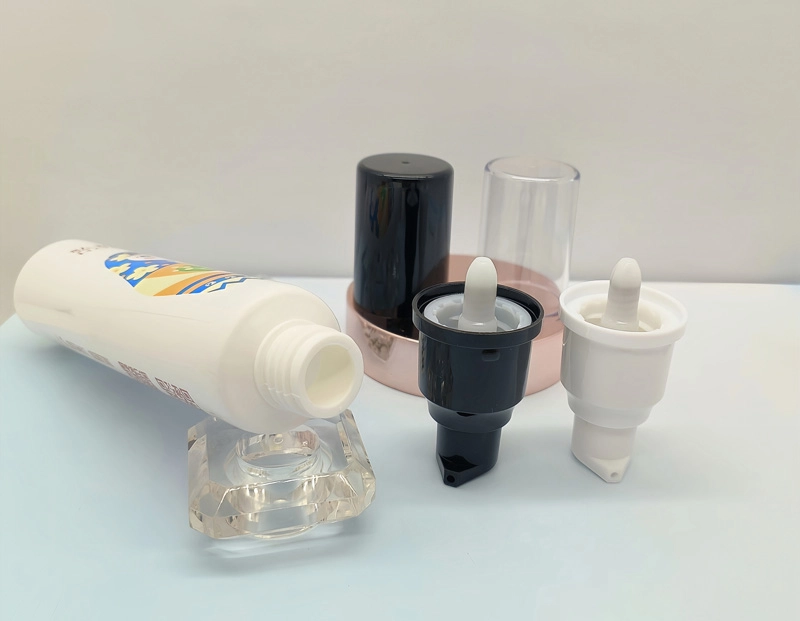
The global beauty industry evolves at a remarkable pace, and the demands placed on product preservation have never been stricter. In 2026, high-end chemical sunscreens face a critical challenge: maintaining absolute formula stability from the laboratory directly to the consumer’s hands. Premium UV filters and advanced skincare ingredients degrade rapidly when exposed to ambient oxygen. Brands invest millions into formulating lightweight, highly effective SPF products, but utilizing inadequate packaging can completely ruin a product before the bottle is even half empty. To solve this widespread issue, the container must act as a flawless, impenetrable shield against environmental factors.
Founded in 2009, Hongyi Plastic specializes in cosmetic hoses and offers exclusive OEM and ODM customized one-stop services. Covering an expansive area of 3,000 square meters with a dedicated R&D center, we are fully committed to building a high-quality, safe, and intelligent cosmetics ecosystem through integrated product innovation, market data, and rigorous quality manufacturing. As an industry-leading cosmetic tube demonstration enterprise, we engineer advanced solutions designed specifically to keep sensitive, high-value skincare formulas fully active. By focusing on the exact physical mechanisms that cause product failure, we help beauty brands protect their investments and deliver consistent, premium results to their end users without relying on standard, outdated packaging methods.
The Oxygen Threat: Why Chemical Sunscreens Degrade Faster Without Proper Packaging
Chemical sunscreens use a mixed set of clear active parts to take up and stop bad UV rays. These modern parts work well on skin, but they stay weak when they meet oxygen. When a buyer uses a basic, old press tube, a bad body step takes place. The tube gets pressed to let out the lotion, and when released, it works just like a space. It pulls close air back into the main room to get its first shape.
This steady, daily flow of oxygen starts fast mix actions that break soft UV blocks. In a little time, the sunscreen drops its said SPF level, making it not work and maybe unsafe for the user. Also, the cosmetic mix may shift color, split into oil and water parts, or get a clear, bad-mix smell. For a rich skin care company, this fast break spoils the high user feel and hurts the company’s trust. Top chemical sunscreens holders in 2026 need a full body wall against daily air exposure. Without good guard, even the best-made cosmetic base parts lose their main power long before the set end date.
The Core Mechanism: How Pump Dispensing Blocks Air Exposure
To successfully stop formula oxidation, we must completely block all ambient air from entering the primary container after every single use. This operational requirement is precisely where advanced mechanical dispensing systems drastically outshine traditional flip-top caps and standard squeeze configurations. We achieve this through two primary structural advantages.
One-Way Valve Technology
The definitive secret lies in the internal mechanical design of the dispenser itself. A high-quality pump head features a highly responsive one-way valve system. When a user presses down on the actuator, the internal mechanism forcefully pushes the sunscreen lotion out through the nozzle. The moment the user releases the pressure, the internal valve instantly and tightly shuts. This precise mechanical action absolutely prevents any ambient air from flowing back down into the main tube chamber. Instead of replacing the dispensed lotion with air, the volume inside the tube simply decreases, often causing the flexible tube to flatten slightly over time. This strict one-way flow is a critical requirement for UV filter stability. It guarantees that the very first drop of sunscreen dispensed remains just as fresh and potent as the very last drop.
Multi-layer Construction for Ultimate Barrier
Using the let-out head alone does not give full mix safety. Oxygen parts can go through basic, one-layer plastic sides over time. To get full guard, we add strong block layers deep in the plastic build. For example, an EVOH (Ethylene Vinyl Alcohol) layer works as a very good gas wall. It stops oxygen from leaking through the tube side and keeps the inside wet and quick active parts from going out. This strong mix of a machine one-way valve and multi-layer body makes a solid body fort for fine chemical sunscreens.
Precision and Protection for High-End Formulas
In the fine cosmetic and skin care trade, apply exact counts as much as the mix guard. Rich face sunscreens often need clear dose amounts to make the best and safest sun guard for the user. A basic open-hole tube makes it hard for a buyer to guide the right amount let out, often leading to waste or wrong skin cover.
Precise Dosage Control
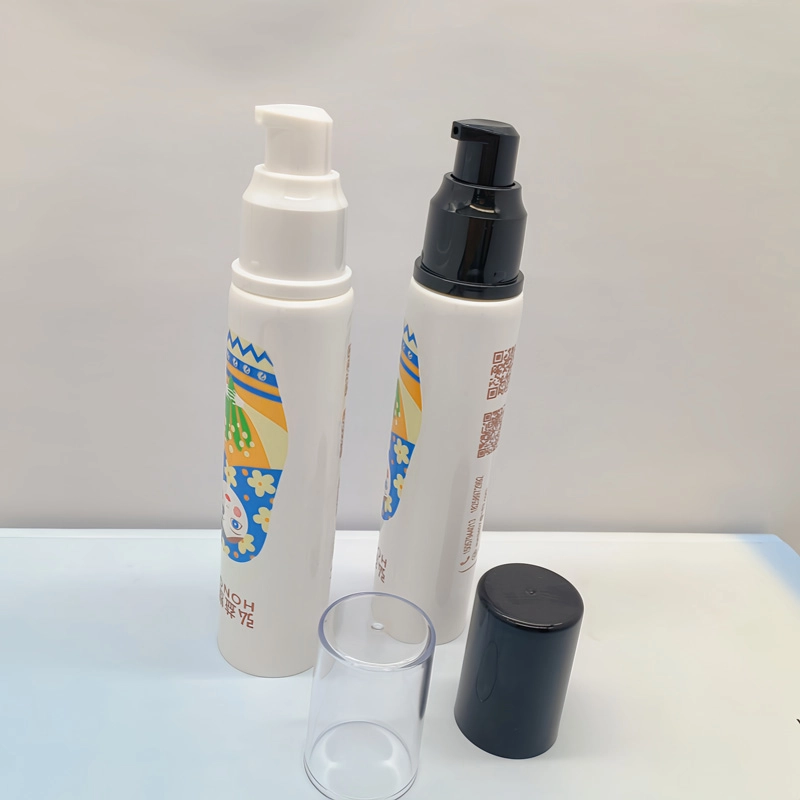
Our specialized packaging solutions address this exact operational issue directly. By utilizing our highly engineered 30 pump head plastic tube,toiletries, raw materials and semi-finished product packaging bottles, premium brands can guarantee their customers receive the exact required amount of product per individual pump. This strictly controlled dosage totally prevents costly waste and provides a highly satisfying, clean user experience synonymous with luxury goods. We supply these advanced tubes with diameters ranging broadly from 13mm to 60mm, supporting diverse decorative processes such as offset printing, silk screen printing, and hot stamping to match any brand aesthetic.
Ideal for Raw Materials and Semi-Finished Goods
Furthermore, these specific, highly sealed containers serve a dual purpose within the supply chain. Their exceptional leak-proof and anti-oxidation properties make them the perfect, secure choice for cosmetic factories requiring reliable, long-term storage and secure transport vessels. Whether you are actively protecting a fully completed SPF lotion for retail or securing sensitive ingredients before final mass filling, this elite level of packaging guarantees absolute chemical stability. To ensure safety from the very beginning, we source our raw materials globally from top-tier international suppliers in Qatar, Brazil, and Japan, as well as state-owned enterprises, ensuring quality, stability, and safety from the source.
Beyond Oxidation: Hygiene and Sustainability Trends in 2026
Guarding the soft mix from close air is the main work aim, but 2026 adds tough trade needs. Now buyers want full daily cleaning and eco-friendly ways from fine skin care buys.
Touchless Hygiene for Sensitive Skin
Old flip-top tops often make users wipe extra lotion from the open. This brings strange germs from fingers to the main item source. Our let-out setups cut direct touch. The SPF lotion comes clean to the hand, and the inside spout stays away from outside skin germs. For face sunscreens made for soft or spot-prone skin, this clean give way is a big trade gain.
Eco-Friendly Material Integration
High-end visual aesthetics must now seamlessly align with strict environmental responsibility. We actively focus on sustainable packaging solutions and work closely with brand partners to promote post-consumer recycled plastics (PCR). By carefully combining sustainable, recyclable plastics with our secure dispensing technology, we actively help luxury skincare brands deliver on their responsible packaging commitments while maintaining strong market competitiveness.
Partner With a Reliable Manufacturer for Your Sunscreen Packaging Solutions
Creating the perfect physical shield for highly sensitive SPF formulas requires exact precision engineering and rigorously strict quality control protocols. Certified dually by ISO9001 and ISO45001 quality systems, our 100,000-grade GMPC standard production workshop features two automated assembly lines and 35 machines, boasting a monthly production capacity of up to 6 million units. With over 20 utility and invention patents developed since 2009, and backed by scientific research accreditation from renowned university professors, our R&D capabilities ensure your products remain at the forefront of innovation.
We confidently offer comprehensive, one-stop OEM and ODM processing services. Through our dedicated customization process, we manage everything from initial mold development—providing precise drawings and draft approvals—to full-scale mass production. Our systematic ordering process, which involves rolling demand plans and MRP system assessments, guarantees that every step operates flawlessly, significantly reducing communication errors. We accommodate various cooperation models, starting from a minimum order quantity of 10,000 sets for pilot projects, up to annual framework agreements for continuous demand.
Our financial and logistical terms provide a transparent and secure transaction guarantee. Standard payment involves a 60% advance payment with the remainder settled after delivery. Moreover, high-quality after-sales service forms the cornerstone of our long-term partnerships. We provide a 12-month quality assurance period from the date of delivery, ensuring peace of mind. To discover more about us and explore how our advanced packaging solutions can securely elevate your next SPF launch, contact us today to thoroughly discuss your brand’s unique specifications.
FAQ
Q: Why do chemical sunscreens turn yellow over time?
A: Chemical UV filters are highly prone to oxidation when directly exposed to ambient air and UV light. When standard packaging allows oxygen to freely enter the container, it immediately triggers a rapid chemical breakdown. This degradation causes the pristine lotion to change color, usually turning a distinct yellow, and significantly reduces its vital sun protection factor.
Q: Can your tubes handle highly viscous semi-finished sunscreen products?
A: Yes, our advanced dispensing mechanisms are specifically engineered to handle highly diverse viscosities. We meticulously design the internal pathways to smoothly and consistently pump exceptionally thick creams, dense gels, and heavy semi-finished product mixtures without experiencing any clogging or frustrating misfires during the application process.
Q: Are multi-layer barrier tubes fully recyclable?
A: The recyclability highly depends on the specific chemical layers utilized during production. However, we continuously prioritize sustainable packaging initiatives and actively promote post-consumer recycled plastics (PCR) to help brands fulfill their environmental commitments. We proudly offer eco-friendly material options that successfully maintain excellent oxygen barrier properties while remaining compatible with modern recycling streams.